
August 7, 2026 — Day of Remembrance for the Assyrian Martyrs: What Lies Behind This Date
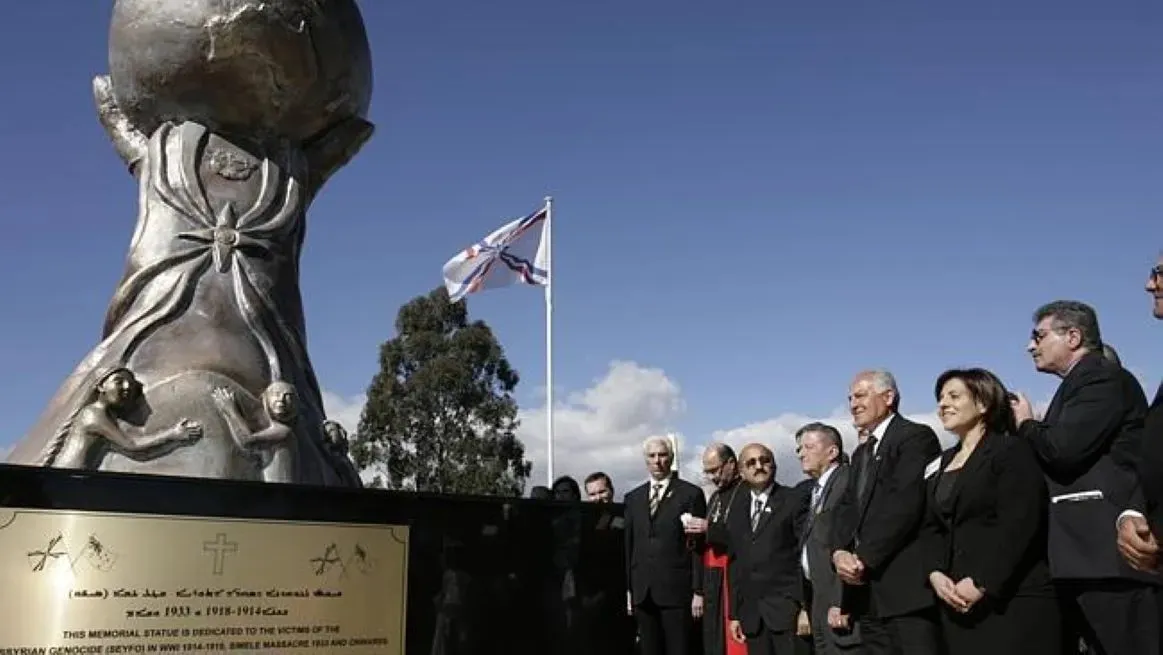
On August 7, 2026, Assyrian communities around the world will observe the Day of Remembrance for Assyrian Martyrs. On this day, the victims of persecution and mass killings are commemorated, particularly those who perished during the Simele massacre in Iraq in 1933. Over time, the date has come to serve as a day of remembrance not only for the victims of that tragedy but also for all Assyrians who have perished as a result of persecution, violence, and attempts to destroy their culture and identity.
The Day of Remembrance for the Assyrian Martyrs falls on August 7 each year. In 2026, this date falls on a Friday. This is not a typical celebration, but a day of mourning, remembrance, and reflection on the history of the Assyrian people. Assyrians also refer to this day as Martyrs’ Day or Remembrance Day. It is observed by members of the community not only in the Middle East but also in countries where a large Assyrian diaspora lives today. Memorial events have been held over the years in the United States, Canada, European countries, Iraq, and other nations.

According to the Assyrian Universal Alliance, the annual commemoration on August 7 was officially established in 1970. The date was chosen to commemorate the tragedy in Simele, which began on August 7, 1933. Therefore, the claim regarding 1968, which appears in some calendars, should be treated with caution: the primary contemporary source from the Assyrian organization itself specifically cites 1970.
What Happened in Simele
One of the main reasons for the establishment of this commemorative date was the events of 1933 in Iraq. After the end of World War I, many Assyrians found themselves in Iraq. Some of them had previously lived in what are now Turkey and Iran but were forced to leave their homes due to persecution, violence, and the ravages of war. In the 1930s, relations between the Assyrian community and the Iraqi government remained tense.
In August 1933, the situation escalated into widespread violence. The Iraqi military launched a campaign against Assyrian settlements in the Simele region in the north of the country. Men, women, and children were killed, and settlements were looted and burned. Historians and human rights sources provide varying estimates of the number of victims—ranging from approximately 600 to 3,000—so it would be inaccurate to cite a single figure without further clarification.

The events were not limited to a single settlement. The violence spread to Simele and other Assyrian villages in northern Iraq. August 7 is considered the day the mass killings began, which is why this date later became symbolic for the Assyrian community. For the Assyrians, the Simele tragedy became one of the most painful episodes in modern history. It also exacerbated the forced displacement of people and the dispersal of the community beyond the borders of their historical homeland. According to the Minority Rights Group, following the events of 1933, approximately 9,000 Assyrians moved from Iraq to Syria, where they settled, in particular, in the area around the Khabur River.
Who Is Remembered on This Day
Initially, August 7 was associated primarily with the victims of Simele. Over time, however, the significance of the date has broadened considerably. Today, Assyrian organizations use this day to commemorate those who perished during various waves of persecution throughout history.

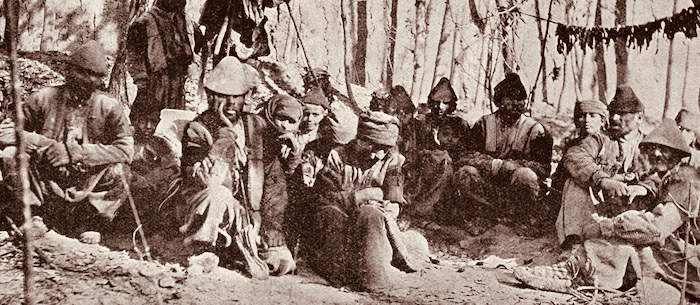
This includes, in particular, the Assyrians who fell victim to mass killings and persecution in the Ottoman Empire during World War I. In Assyrian historical memory, these events are often referred to as Seifo. According to the Minority Rights Group, in 1915, Assyrians in the Hakkari region and other parts of the Ottoman Empire suffered mass persecution, killings, and forced displacement.
The commemoration also includes victims of later persecutions in the Middle East. The events of recent decades, when Assyrian Christians fell victim to terrorist groups, hold a special place in this remembrance. The 2014 offensive by the “Islamic State” group dealt a particularly severe blow, as militants seized Assyrian and other Christian settlements on the Nineveh Plains. According to estimates by the Minority Rights Group, about 200,000 people fled to the Kurdistan Region of Iraq at that time.

Therefore, for many Assyrians, August 7 is not just a commemoration of a single tragedy. It is a day to remember entire generations of people who were killed or forced to flee their homes due to persecution. The Assyrian Universal Alliance explicitly states that today this date encompasses the memory of the victims of Simele, the genocide of the Assyrians in the Ottoman Empire, and those who died defending the Assyrian heritage and identity.
How Remembrance Day Is Observed
There are no loud, joyful celebrations on this day. On the contrary, the main tradition is to quietly remember the dead and discuss the history of the Assyrian people. Communities hold memorial ceremonies, gatherings, lectures, panel discussions, and other events dedicated to Assyrian history. Education plays an important role. Community leaders tell the younger generation about Simele, the persecution of the Assyrians during various historical periods, and how these events have shaped the lives of the people. Seminars are also held with the participation of historians, genocide researchers, public figures, and representatives of other ethnic communities.
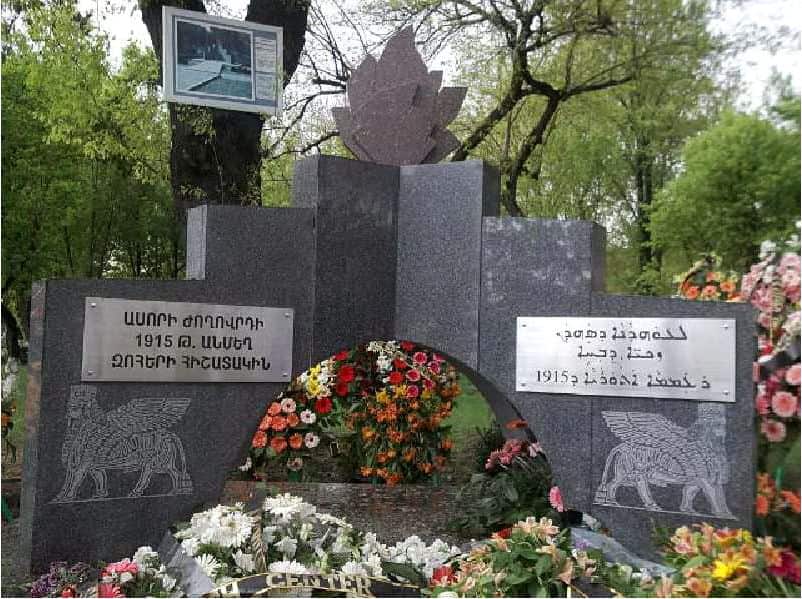
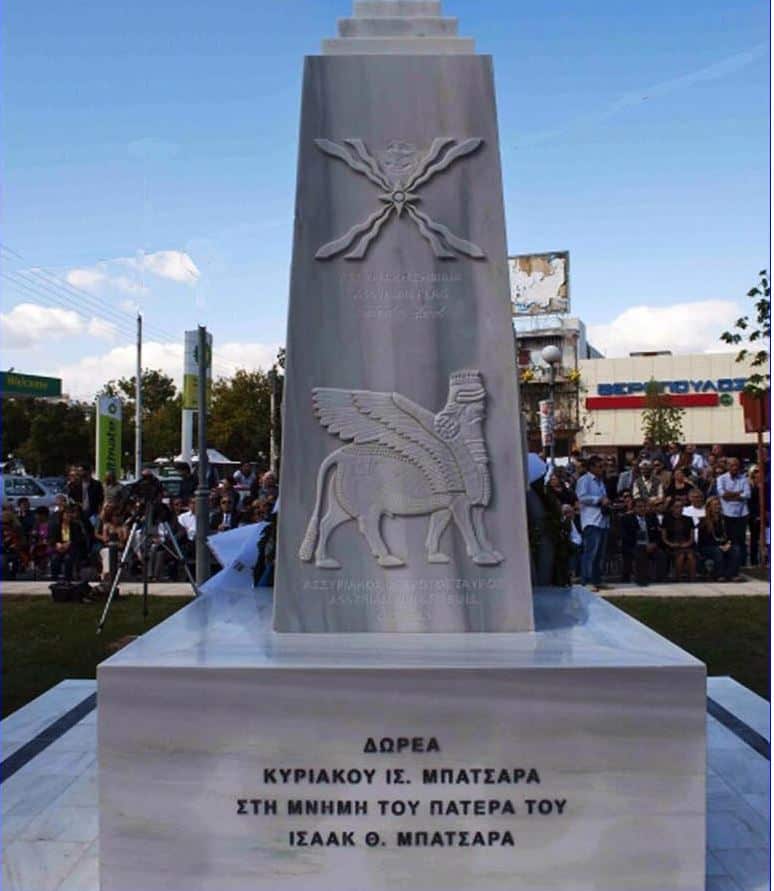
In some cities, people gather at memorials and burial sites. There, they hold commemorative ceremonies, lay flowers, and observe moments of silence. For example, in August 2025, Assyrian youth organizations held a commemorative event in Simele itself, where they honored the victims of the 1933 tragedy. Events also take place in countries where a large Assyrian diaspora has formed. In the United States, commemorative ceremonies have been held, in particular, in California, Chicago, and other cities. Such gatherings may be attended by local government officials, community activists, scholars, clergy, and young people.
Why This Date Is Important to Assyrians
The Day of Remembrance is not merely a time to recall the number of those who perished. For Assyrians, it is also a way to preserve the memory of people whose lives were shattered by violence and persecution. The community’s history throughout the 20th and 21st centuries has been marked by wars, forced migration, and attempts to displace them from their historic territories.
The Assyrians are one of the ancient peoples of the Middle East. Today, they live primarily in Iraq, Syria, Turkey, and Iran, and also have a large diaspora in other countries around the world. Most modern Assyrians are Christians and belong to various Eastern Christian churches. At the same time, Assyrian identity is linked not only to religion but also to language, culture, historical memory, and a shared origin.
That is why remembering the past remains an important part of the community’s life. Assyrian organizations emphasize that honoring the martyrs is also a way to speak out about preserving the culture and the right of the people to remain true to themselves. In this sense, August 7 is not only a day of mourning but also a reminder of the importance of cultural continuity.
Interesting Facts About Assyrian Martyrs’ Remembrance Day
The date is linked to Simele. It was on August 7, 1933, that a military campaign against Assyrian settlements in the Simele region of northern Iraq began. Because of this, the day has become a symbol of remembrance for the victims.
It is not merely a commemoration of 1933. Over time, Martyrs’ Day has evolved into a broader day of remembrance for all Assyrians who died during persecutions and acts of violence. It includes both the victims of Seifo and those who died in more recent conflicts.
The day is observed in various parts of the world. Due to the large-scale diaspora, commemorative events take place not only in Iraq. Assyrians hold them in the United States, European countries, and other nations where organized communities exist.
The commemoration is also linked to the events of 2014. In August 2014, “Islamic State” militants seized a significant portion of the Nineveh Plains, where Assyrian Christians lived. About 200,000 people were forced to flee to the Kurdistan Region of Iraq.
The Assyrians have their own name for this day. The Assyrian Universal Alliance uses the name Yoma d’Sahde, which translates as “Day of the Martyrs.”
Simele became a symbol of a much broader tragedy. Following the events of 1933, some Assyrians left Iraq and resettled in other countries in the Middle East. Subsequently, new waves of persecution led to even greater migration and the formation of a large Assyrian diaspora.
What August 7 Means Today
The Day of Remembrance for the Assyrian Martyrs is a date that bridges history and the present. It serves as a reminder of the tragedy of Simele, but at the same time speaks to the much longer history of the Assyrians, who have endured persecution, wars, and forced displacement for generations. On this day, Assyrian communities commemorate the dead, hold memorial events, and teach young people about their people’s history. For many, it is an opportunity to ensure that the tragic chapters of the past are not forgotten.

“We remember those who died to preserve our culture and heritage”—this is precisely the meaning behind the commemoration on August 7, as emphasized by the Assyrian Universal Alliance. Thus, August 7, 2026, will be a day of remembrance and mourning for Assyrians around the world. It is an opportunity to remember the victims of Simele and other tragedies, to discuss the history of the Assyrian people, and to remind ourselves why preserving culture, language, and historical memory remains important today.


