
Agropastoral communities in Uganda begin eating 27 wild plants — Mongabay
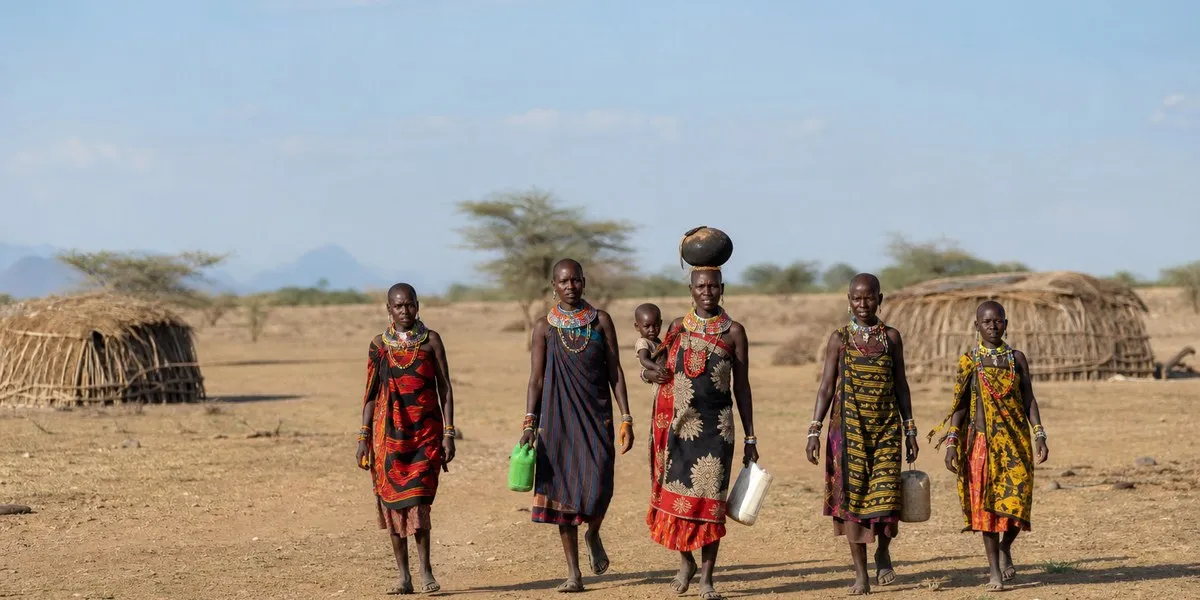
In the semi-arid Karamoja region in northern Uganda, residents of five agropastoral communities have begun using 27 species of wild plants for food that they had not previously consumed. A study published in the journal People and Nature showed that these plants were mostly started to be eaten as leafy vegetables during periods of acute food shortages.
The results of the work were reported by Mongabay. A research team led by Emiel De Meyer surveyed residents of five Karamoja communities about their knowledge of edible wild plants, as well as the reasons for the emergence of new food practices and ways in which this knowledge is transmitted.
Plants during food shortages
Of the 27 recorded species, 20 were reported by respondents to be native to Uganda. Most plants are collected during the rainy season, although at least three species are also available during the dry season. People most often determined the edibility of plants through trial and error during periods of acute hunger, called akoro in the Nyakarimojong language.
More current news is available on the UA.News Telegram channel Telegram.
The study authors noted the central role of women in introducing wild plants into diets, as knowledge about them is predominantly held by women. Three recorded species have local names associated with women who, according to residents, were the first to discover and try them as food. In particular, the plant Galisoga pariflora is locally called Toto anakong, in honor of a woman named Nakong.
Biodiversity as a reserve
The researchers raise the question of whether communities with lower botanical diversity will be less able to adapt to food crises. De Meyer stressed that biodiversity loss also means the loss of wild species and genetic resources, including wild relatives of agricultural crops.
The article also notes that edible wild plants can supplement diets during crop failures and climate crises. According to the UN Food and Agriculture Organization, around 1 billion people worldwide depend on wild edible species for food security and livelihoods.




