
U.S. stocks rose after the Strait of Hormuz reopened
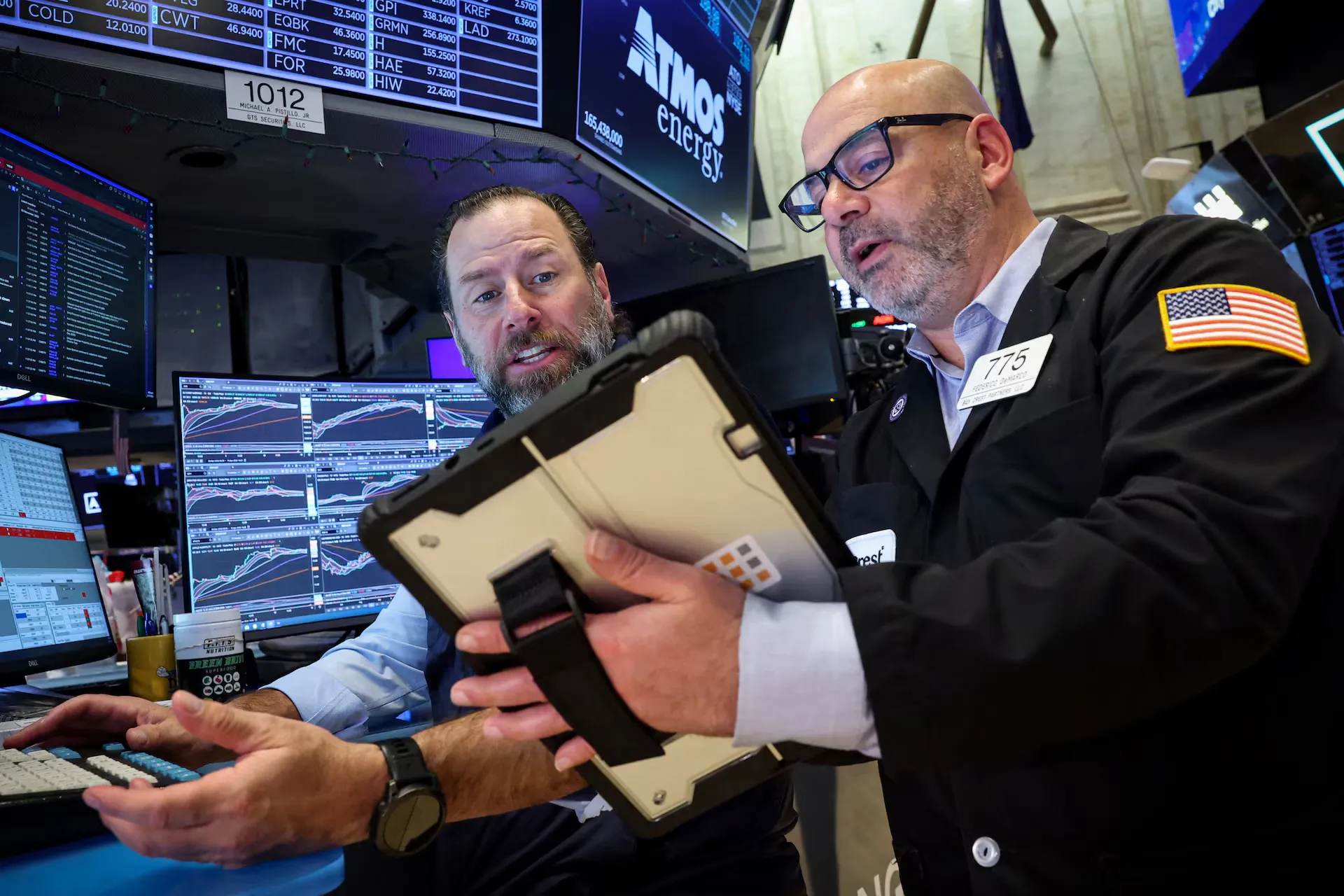
U.S. stock markets opened higher following a sharp drop in oil prices. Investors reacted positively to news that Iran had reopened the Strait of Hormuz. This slightly eased tensions surrounding potential disruptions to energy supplies, according to The Times of Israel.
On Friday, U.S. stock exchanges opened in the green. The rally was supported by European markets, which also showed positive momentum.
The reason: a sharp drop in oil prices following Iran’s statements. The country’s Foreign Minister, Abbas Araghchi, announced that the Strait of Hormuz would remain open. “The strait will remain fully open as long as the ceasefire in the Middle East holds,” he stated.
This news reassured investors. Earlier, due to risks of supply disruptions, oil prices had exceeded $100 per barrel and sparked fears of a new economic crisis. Against this backdrop, the markets reacted quickly. Within the first few minutes of trading, the broad S&P 500 index rose by 0.8% to reach 7,098 points.
The drop in oil prices means less pressure on the economy—cheaper fuel, lower costs for businesses, and fewer inflation risks. That is why investors viewed the news as a positive signal.
Despite this, the situation remains fragile. The opening of the strait is directly linked to the ceasefire in the region, and any escalation could once again shift market sentiment. For now, financial markets are reacting optimistically—and closely monitoring developments in the Middle East.
Additionally, the U.S. does not plan to lift the naval blockade of Iran, even despite Tehran’s statements regarding the opening of the Strait of Hormuz. The restrictions will remain in place until the parties conclude negotiations and sign an agreement.
In Israel, military restrictions have been fully lifted for the first time in a month and a half. This became possible after the ceasefire with Lebanon and Iran has held so far. The country is gradually returning to normal life.
The U.S. is calling on G20 countries, as well as the IMF and the World Bank, to intervene urgently to avoid a fertilizer shortage. Due to the war in the Middle East, supplies have been disrupted precisely during the key planting season.
Global oil prices have also fallen by about 5% following news of a possible agreement between the U.S. and Iran. Investors reacted to Donald Trump’s statement that a deal is imminent and began pricing in a reduction in market tensions.
Airlines are warning that flight cancellations could begin in Europe as early as late May due to a shortage of jet fuel. The industry is asking governments to prepare a clear action plan in advance in case supplies need to be restricted.
Also, the Pakistani tanker Shalamar became the first vessel to pass through the Strait of Hormuz carrying crude oil since the U.S. blockade began on April 13.
Iran announced the opening of the Strait of Hormuz to commercial shipping for the duration of the ceasefire in Lebanon.
Iran estimates the damage from US and Israeli bombings at $270 billion and is demanding compensation from five Arab countries
Iran promises to respond to the blockade of its ports by blocking the Red Sea


