
Analysts expect IPO activity on Singapore’s SGX to pick up in 2026
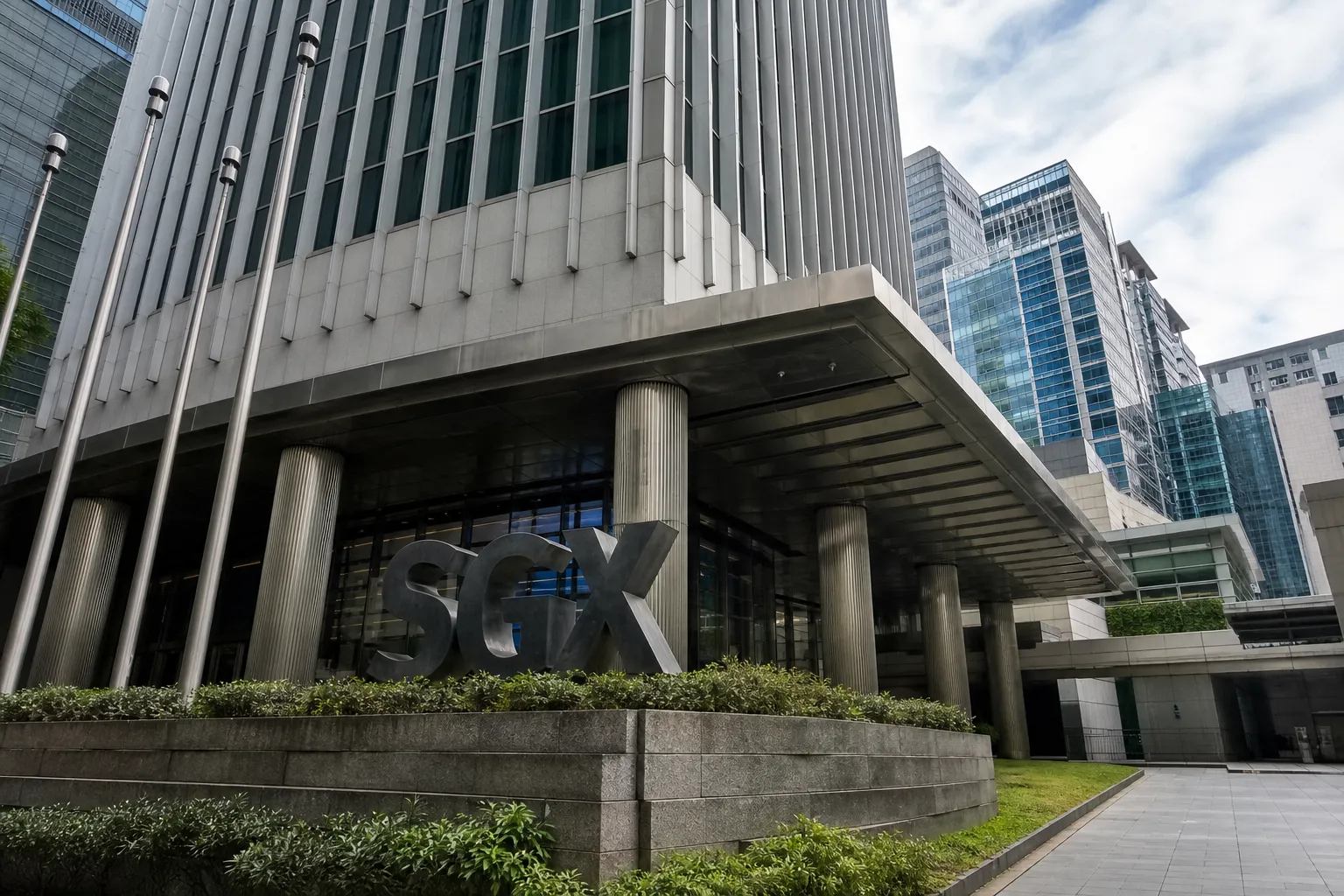
In Singapore, the SGX exchange has recorded eight new listings since the start of 2026. Analysts expect activity in the initial public offering market to continue in the second half of the year. According to Channel NewsAsia, earlier reports indicated that SGX could approach 30 listings in 2026 following a record 2025 in terms of funds raised through IPOs.
Experts note that SGX trails the exchanges of Hong Kong and Malaysia in the number of offerings, but the Singapore market is characterized by a small number of large deals. In the first half of the year, five companies on SGX raised a combined US$868 million. They are UI Boustead Real Estate Investment Trust, Toku, The Assembly Place, Kin Global and JustCo Holdings.
Measures to develop the market
The Monetary Authority of Singapore (MAS) launched a S$5 billion equity market development programme. It provides funding to asset managers that invest in Singapore shares. UOB’s head of equity capital markets, Mark Wee, said that coordinated actions by MAS, SGX and industry participants are beginning to produce results.
In May, Singapore adopted legislative changes allowing companies to pursue dual listings on SGX and the US Nasdaq and reducing the amount of documentation required. SGX said that the planned dual-listing mechanism with Nasdaq could become operational within several months, with the first such listings expected in the second half of the year.
More current news is available on the UA.News Telegram channel Telegram.
From 5 October, the standard board lot size for instruments priced above S$10 and up to S$100 will be reduced from 100 to 10 units. According to the exchange’s assessment, this should make it easier for investors to access Singapore’s stock market.
Differences from Hong Kong and Malaysia
In the first half of the year, Malaysia raised US$1.3 billion through 36 IPOs, while Hong Kong saw 85 IPOs worth HK$210.4 billion, or about US$26.8 billion. Singapore Management University economics lecturer Ho Jing Rong explained the difference by the structure of the markets: Malaysia has a broad domestic base of small and medium-sized companies, while Hong Kong attracts Chinese companies seeking access to international capital.
At the same time, Ho noted that SGX listings in 2026 have so far failed to show sustained share-price growth after their debut. In his view, weak stock performance after IPOs could deter future issuers.


