
Analysts have assessed the risks of the U.S. strategy for sharing the defense burden in Asia
The United States is calling on its allies in the Indo-Pacific region to play a more active role in their own defense, while at the same time seeking to reduce political tensions in its relations with China. At the same time, analysts surveyed by the South China Morning Post believe that such a strategy of deterrence could intensify great-power rivalry and polarization in the region.
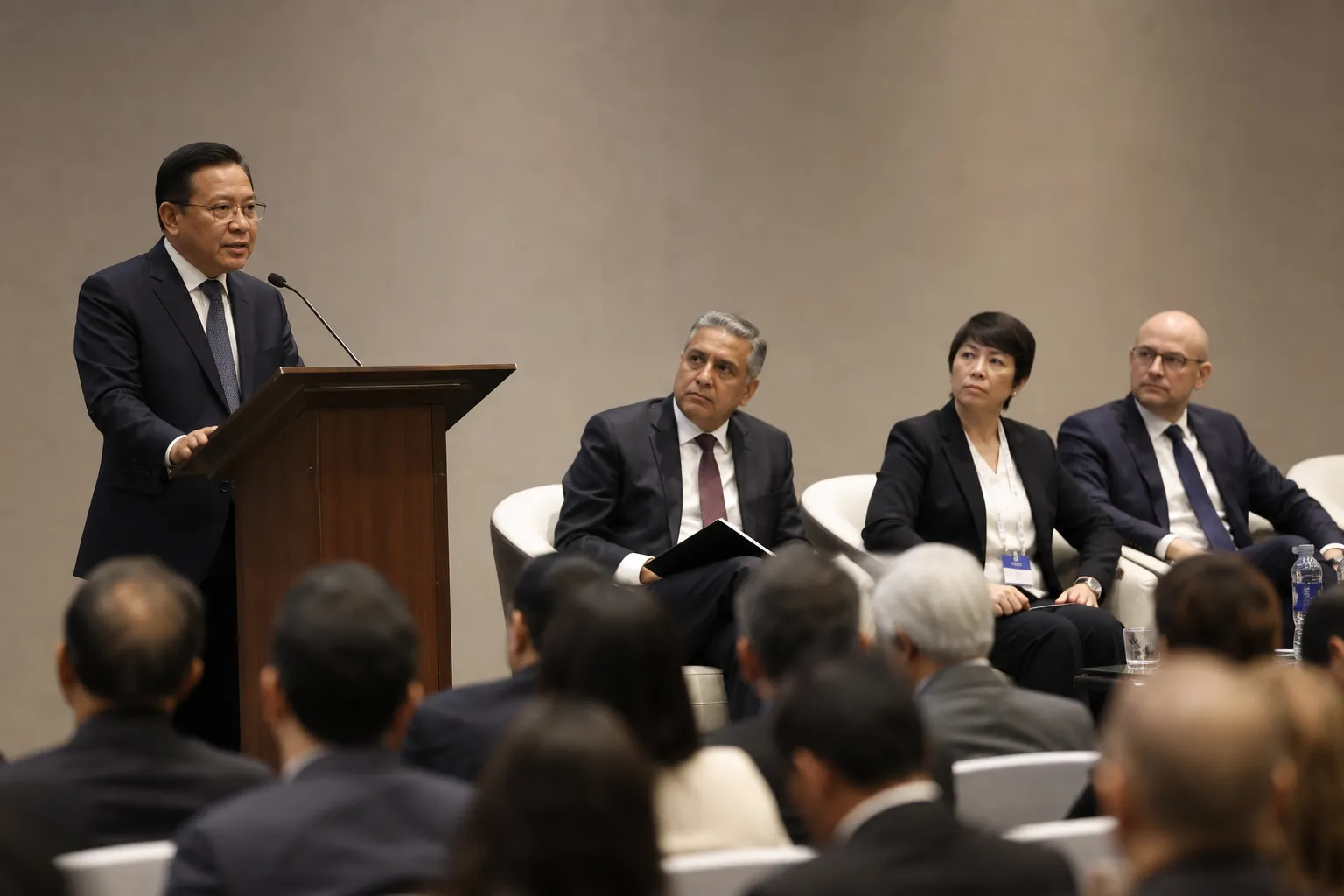
During a trip to Southeast Asia, U.S. Deputy Secretary of Defense for Policy Elbridge Colby stated at a forum in the Philippines that Washington is seeking partners, not protectorates, and called on allies to increase defense spending. He also visited Thailand, Indonesia, and Cambodia, promising to deepen security ties with these countries.
During an online briefing, Colby said that the Donald Trump administration has made defense burden-sharing a priority, as U.S. allies are able and willing to do more. He also stated that the White House does not seek to unnecessarily escalate rhetoric but instead plans to consistently strengthen deterrence capabilities. Colby did not mention China either in his speech or during the briefing.
Song Chenghao, a research fellow at Tsinghua University’s Center for International Security and Strategy, believes that the U.S. will maintain security guarantees but expects its partners to develop air defense, anti-ship capabilities, intelligence, and logistical infrastructure. In his view, this approach is also linked to Washington’s limited resources amid the war in the Middle East and other international commitments.
For more breaking news, follow the UA.News Telegram channel.
Sun noted that Southeast Asian countries generally seek closer security cooperation with the U.S. but do not want to choose sides between Washington and Beijing. In his view, openly framing regional cooperation as a policy of containing China could reduce these countries’ willingness to participate in it.
Xiang Haoyu, a researcher at the Chinese Institute of International Studies, stated that the U.S. is shifting from the Cold War-era “umbrella” model of defense to a networked defense approach involving alliances and partnerships, notably the Quad and AUKUS. He highlighted the increasing scale and frequency of joint exercises: this year’s Balikatan exercises between the U.S. and the Philippines were the largest in history, and the Rim of the Pacific exercises brought together 30,000 military personnel from a record 30 countries.
According to Xiang’s assessment, the intensification of U.S. strategy is contributing to rising regional military spending and nuclear risks. He also linked the deepening of strategic coordination between China and the Russian Federation—an aggressor state—as well as the defense ties between Moscow and North Korea, to the intensifying rivalry between the U.S. and China. At the same time, the researcher noted that China, Russia, and North Korea have not attempted to form a trilateral military alliance.


