
Arab committee in Cairo calls for deterrent measures against Israeli attacks in Jerusalem
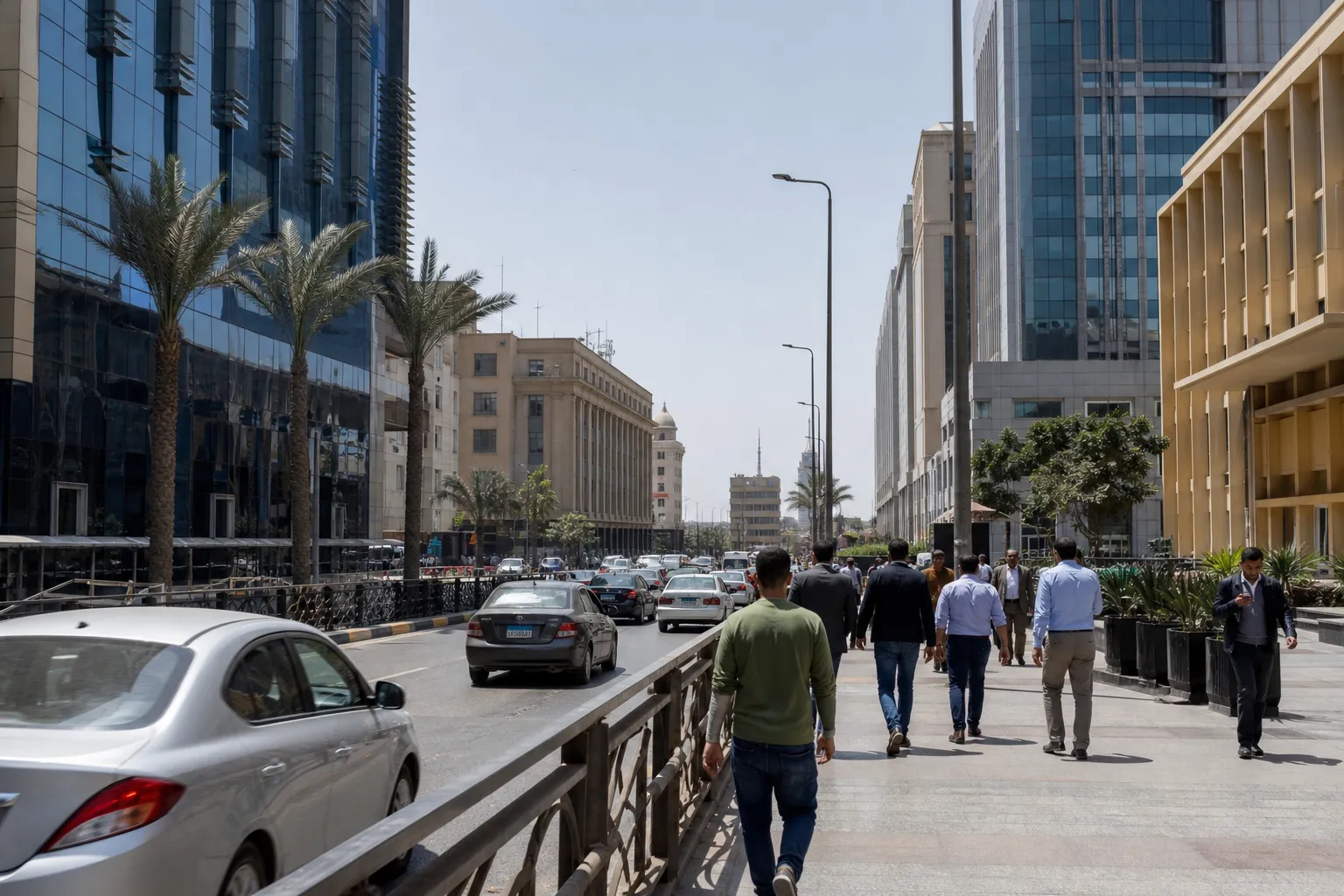
The Arab Ministerial Committee on Jerusalem Affairs, meeting in Cairo, Egypt, called for intensified diplomatic efforts to introduce “restrictive and deterrent measures.” The committee said such steps should stop Israeli attacks on holy sites and what it described as terrorism by the occupying authority.
As Anadolu Agency reports, the decision was adopted following the committee’s 11th meeting, held on the sidelines of the 166th session of the Council of the League of Arab States at the ministerial level. The meeting was chaired by Jordanian Deputy Prime Minister and Foreign Minister Ayman Safadi and was also attended by Arab League Secretary-General Ahmed Aboul Gheit.
Platform for documenting violations
The committee welcomed Qatar’s initiative to establish a sustainable institutional mechanism, including a media platform. According to the participants’ statement, it is intended to monitor, document and publicize information on Israeli violations against holy sites and worshippers in occupied Jerusalem, as well as highlight their consequences.
The General Secretariat of the League of Arab States, together with member states, was tasked with implementing this mechanism and determining its operating procedures and funding sources. The committee also called for a coordinated Arab and international diplomatic and media campaign regarding violations in Jerusalem and other occupied Palestinian territories.
More current news is available on the UA.News Telegram channel Telegram.
Calls for action at the UN Security Council
The participants agreed to step up work with the international community, including at the UN Security Council, to secure support for demanding that Israel stop what the committee considers violations against Muslim and Christian holy sites and respect their historical and legal status quo.
The statement condemned the Israeli authorities’ announcement of tenders for the construction of 1,234 settlement units under the E1 plan east of occupied Jerusalem. The committee said the project could sever the geographical continuity between the northern and southern parts of the West Bank and isolate East Jerusalem from its Palestinian surroundings. According to the agency, the tenders were announced on August 18, while the broader E1 project provides for approximately 3,400 settlement units between East Jerusalem and the Maale Adumim settlement.
Separately, the committee condemned the raid and evacuation of the Qalandiya training center linked to the UN Relief and Works Agency for Palestine Refugees, UNRWA. According to Anadolu Agency, Israeli forces entered the facility and removed its staff on August 25. The committee described these actions as a dangerous escalation, a violation of international law, and of the immunities and privileges granted to UN institutions.
Regarding the Al-Aqsa Mosque compound, the committee condemned what it described as an unprecedented escalation of violations aimed at changing the historical and legal status quo. The participants reiterated their position that the entire Al-Aqsa compound, or Al-Haram al-Sharif, covering 144 dunams, is a place of worship exclusively for Muslims, and also stressed the significance of the historical Hashemite custodianship over Jerusalem’s Islamic and Christian holy sites.


