
Ethiopian army says it repelled attacks by Tigray forces — BBC News
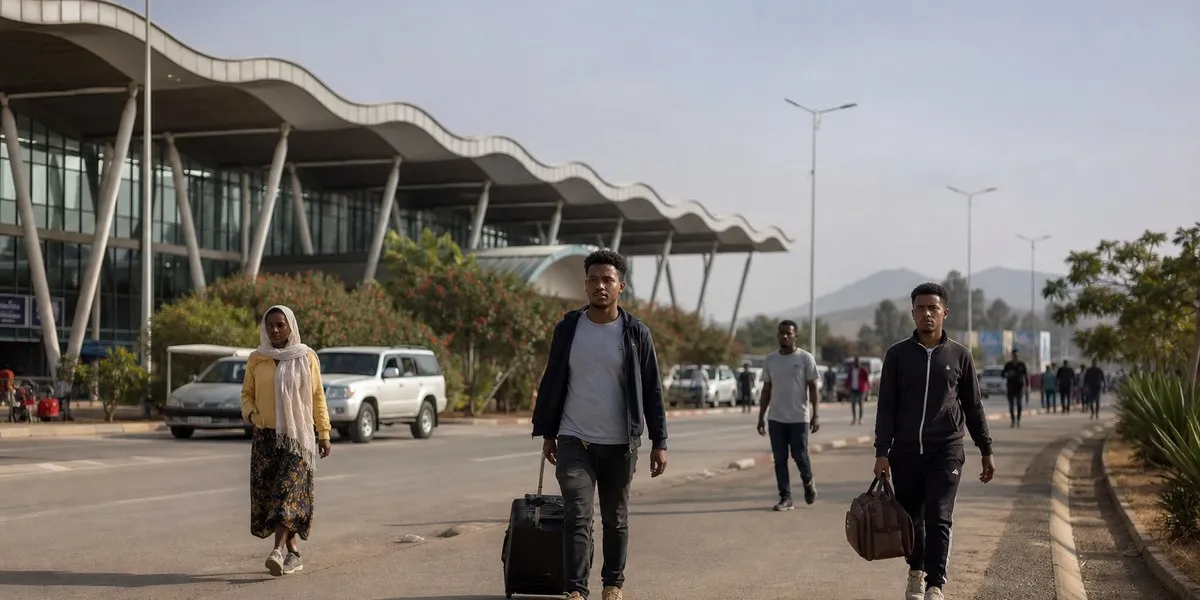
In Ethiopia, the army said it had repelled attacks by forces from the Tigray region and their allies in the northern part of the country. According to the military, fighting began in the Amhara area near the border with Tigray, and soldiers inflicted significant losses on the enemy and seized weapons. This was reported by BBC News.
Seizure of airports and fighting in the north
This is the first statement by the Ethiopian army since fighting began on Wednesday. That day, the Tigray People's Liberation Front, which dominates the region, seized control of three airports from the federal police. Front representatives did not comment on the army's statement, and the BBC was unable to independently verify the military's claims.
There are also unconfirmed reports of attacks by Tigray forces in the neighboring regions of Afar and Amhara. A humanitarian source in Afar told AFP that Tigray forces used heavy artillery while attempting to take control of the town of Yallo near the border with Tigray. Tigray People's Liberation Front vice president Amanuel Assefa told AFP that the situation had escalated into a full-scale war.
More current news is available on the UA.News Telegram channel Telegram.
Tensions after the peace agreement
The new escalation comes after several months of rising tensions between the government of Prime Minister Abiy Ahmed and the authorities of Tigray. The sides fought from 2020 to 2022, and the conflict ended with a peace agreement mediated by the African Union. In recent months, both sides have accused each other of violating the arrangement.
On Sunday, the Tigray People's Liberation Front announced an alliance with six other armed groups to remove the government. After the airports were seized, Ethiopian Airlines canceled all flights to Tigray. Residents of Mekelle, the region's main city, told the BBC that local forces took control of the city airport early on Wednesday morning. According to one resident, there were no clashes in Mekelle itself, but people limited their movements because of the fighting, a shortage of cash, and the risk of communication disruptions.




