
US Army selects Lockheed Martin and Boeing-Anduril team for next IFPC phase
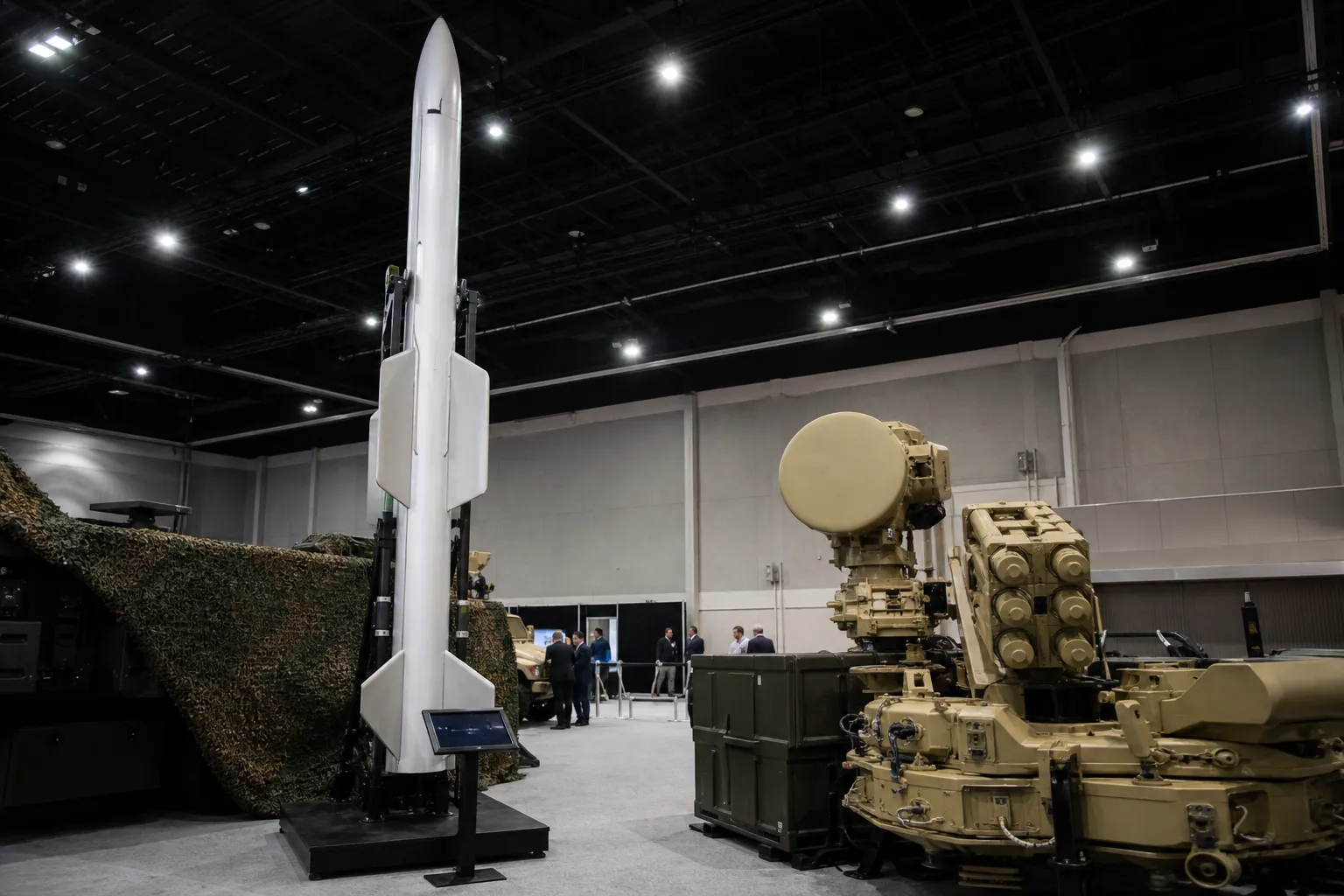
The US Army has selected Lockheed Martin and the Boeing-Anduril team for the next stage of developing a second interceptor prototype under the Indirect Fire Protection Capability Increment 2 program. As Breaking Defense reports, the companies’ proposals will move on to the development demonstration phase.
Two participants will continue development
A US Army representative said that Lockheed Martin and the Boeing-Anduril team had been selected to continue work under the competitive process. The military department promised to release additional information about the competition later. Rafael’s US subsidiary did not advance to the next phase.
The IFPC Increment 2 program is intended to fill the gap between short-range air defense systems and longer-range capabilities, including Patriot and Terminal High Altitude Area Defense. In October 2025, Lockheed Martin received an agreement for the first phase of the program. In December 2025, the Boeing-Anduril team joined the competition, followed by Rafael in February.
More current news is available on the UA.News Telegram channel Telegram.
Second interceptor for Enduring Shield
Boeing said its interceptor combines seeker technology, a compact design, a solid-fuel rocket motor from Anduril Rocket Motor Systems, and a modular open systems architecture. Lockheed Martin referred inquiries about the Army’s decision to the military department itself, while Rafael did not respond to a request for comment.
The US Army began its search for a second interceptor for the prospective IFPC Increment 2 launcher more than two years ago. At the end of 2024, it concluded an agreement on the first interceptor with Dynetics, a Leidos subsidiary, and RTX. The decision provided for Dynetics’ Enduring Shield launcher and RTX’s ground-based variant of the AIM-9X Sidewinder. According to then-Brig. Gen. Frank Lozano, the military needed a second, more capable interceptor to engage low-flying supersonic cruise missiles.




