
Polls show President Lula narrowing the gap in Brazil — The Rio Times
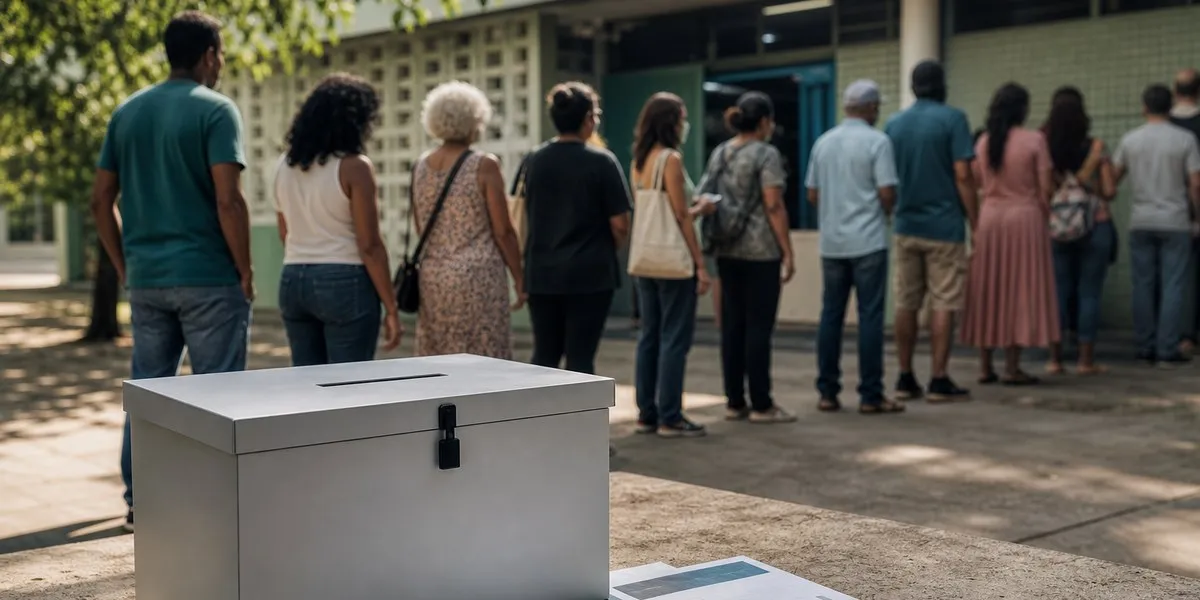
In Brazil, two polls released on October 19 recorded a narrowing of Senator Flávio Bolsonaro’s lead over President Luiz Inácio Lula da Silva ahead of the second round of the presidential election scheduled for October 25, 2026. At the same time, all five surveys analyzed by The Rio Times numerically show Bolsonaro in the lead.
Results of the new surveys
According to AtlasIntel, Bolsonaro is supported by 49.8% of respondents and Lula by 47.6%. In the previous survey wave, conducted on October 3–8, the gap stood at 5.4 percentage points: 51.1% versus 45.7%. The new online survey covered 4,998 respondents between October 13 and 18, with a stated margin of error of one percentage point.
A Nexus poll commissioned by BTG Pactual bank showed 46.5% support for Bolsonaro and 45.9% for Lula. Earlier, on October 13, Nexus estimated the gap at around three points — 48% versus 45%. The telephone survey conducted on October 16–18 covered 2,002 voters and has a margin of error of two percentage points.
More current news is available on the UA.News Telegram channel Telegram.
Other measurements and margin of error
Meanwhile, PoderData recorded movement in the opposite direction: Bolsonaro has 52% of valid votes and Lula has 48%. In the previous wave of this survey, conducted on October 13–15, the candidates had 50% each. The PoderData survey was conducted by telephone among 3,000 respondents, with a stated margin of error of 1.8 points.
In a survey conducted on October 13–14, Datafolha gave Bolsonaro 47% against Lula’s 45%, while Quaest, which surveyed voters on October 10–13, gave him 46% against 44%. All five polls completed data collection no later than October 18, so they do not reflect voters’ full reaction to the candidates’ debate that day.
In the first round on October 4, Bolsonaro received 47.03% of valid votes, while Lula received 45.16%. As the publication notes, the final AtlasIntel and Datafolha polls before the first round underestimated Bolsonaro’s support by about three and five percentage points, respectively.




