
Australian biologists have predicted what the world will look like in 2100
A team of biologists from Macquarie University in Sydney has published a comprehensive forecast of the evolution of ecosystems and human lifestyles through 2100 in the *Australian Journal of Botany*. The researchers note that the combination of rapid climate change and biotechnological progress will permanently transform the face of the planet.
The Era of Extreme Fires
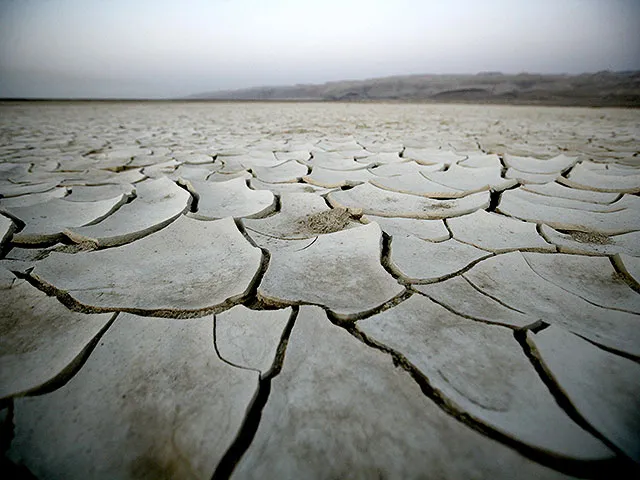
Under a pessimistic global warming scenario, the Earth’s average temperature could rise by 4 °C. This will lead to the regular occurrence of “fire weather” in most regions. Unique ecosystems such as tropical forests, which require long periods of rest to recover, will be at risk of complete extinction due to overly frequent and intense wildfires.
Lab-grown food instead of farming
Traditional livestock farming will undergo a massive decline. Vast pastures with livestock will become a thing of the past, and the diet will consist primarily of lab-grown meat and dairy products cultivated in bioreactors using precision fermentation (the cultivation of proteins from individual cells). In addition, scientists are already successfully creating lab-grown versions of coffee and chocolate to replace plantations that suffer from droughts and floods.
Gene Editing Against Pests
To protect wildlife, humanity will begin to widely apply genetic technologies for the targeted management of ecosystems. Gene-editing methods will be used to selectively suppress or completely eradicate invasive species (those alien to the local environment) that destroy local flora and fauna. Among the first candidates for genetic control are populations of disease vectors (mosquitoes), as well as rodents and reed frogs.
How to Avoid the Worst-Case Scenario
According to an analytical report by Climate Analytics, to stay within the Paris Agreement’s climate limits (keeping global warming below 1.5 °C):
Global fossil fuel use must be cut by at least half by 2035.
By 2070 at the latest, humanity must completely phase out fossil fuels in favor of renewable energy sources.
Source: Australian Journal of Botany.
The ocean continues to warm at an alarming rate, and, according to climatologists, its ability to mitigate global warming is significantly declining. In 2025, the number of marine heatwaves—periods of abnormally high water temperatures—was more than three times higher than in the early 1990s, indicating a sharp acceleration in climate change.
Popular European tourist destinations are seeing a rise in mosquito-borne diseases this summer. Experts attribute this to the heat and climate change, which create favorable conditions for the spread of these dangerous insects.


