
Author urged EU not to ignore Montenegro’s clan conflict — Balkan Insight
In a Balkan Insight column, Branislav Radeljic urged the European Union not to push the long-running confrontation between organised crime groups in Montenegro into the background. According to the author, the armed conflict between the clans requires greater attention from Brussels as the country moves closer to EU membership.
Clan confrontation
As Radeljic notes, the conflict between criminal clans has lasted for more than a decade. During this time, dozens of people, including bystanders, have been killed. The author also writes that claims have repeatedly emerged about possible links between criminal groups and police officers as well as high-ranking judicial officials.
The beginning of the inter-clan confrontation is usually linked to the disappearance of nearly 200 kilograms of cocaine in Valencia, Spain, in 2014. This was followed by a conflict between two groups from the coastal city of Kotor — the Kavac and Skaljari clans. Subsequently, most of the country’s organised crime groups sided with one of these groups.
More current news is available on the UA.News Telegram channel Telegram.
Kotor as a symbol of the problem
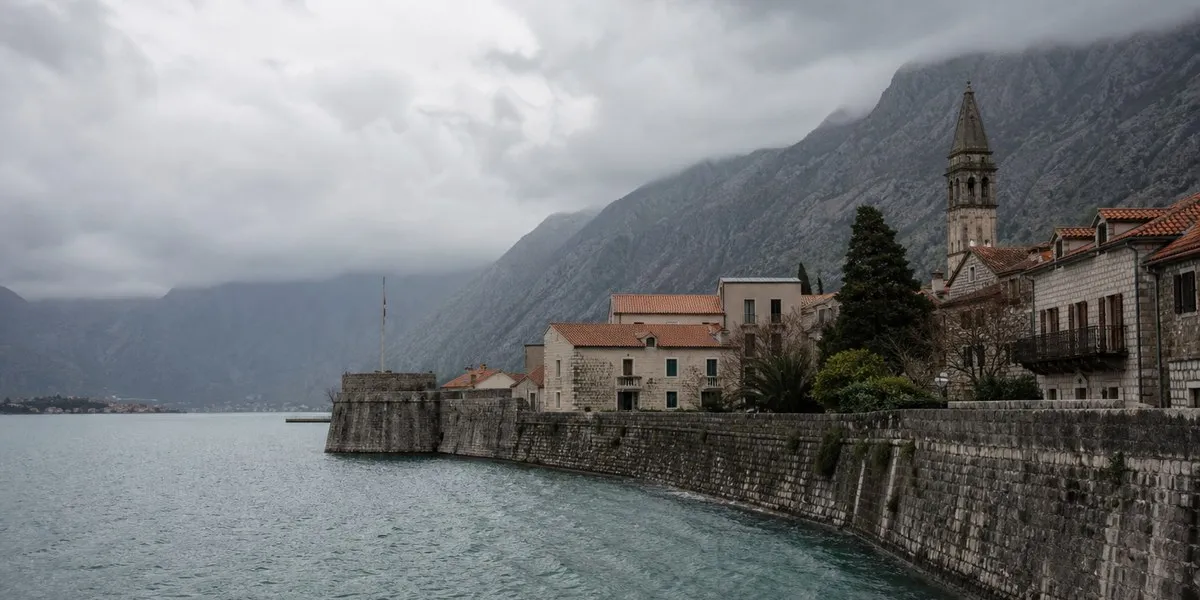
Kotor, a UNESCO World Heritage Site and historic city linked to both clans, was described by former Interior Minister Goran Danilovic as a “hostage city”. Investigations cited by the author included claims about surveillance networks used by criminal groups, as well as the transfer of confidential police information to members of the Kavac clan.
Montenegro declared independence in 2006, applied for EU membership in 2008, and began accession negotiations in 2012. The country became a NATO member in 2017.


