
Big Ben: The Voice of London That Survived Fire, War, and Time
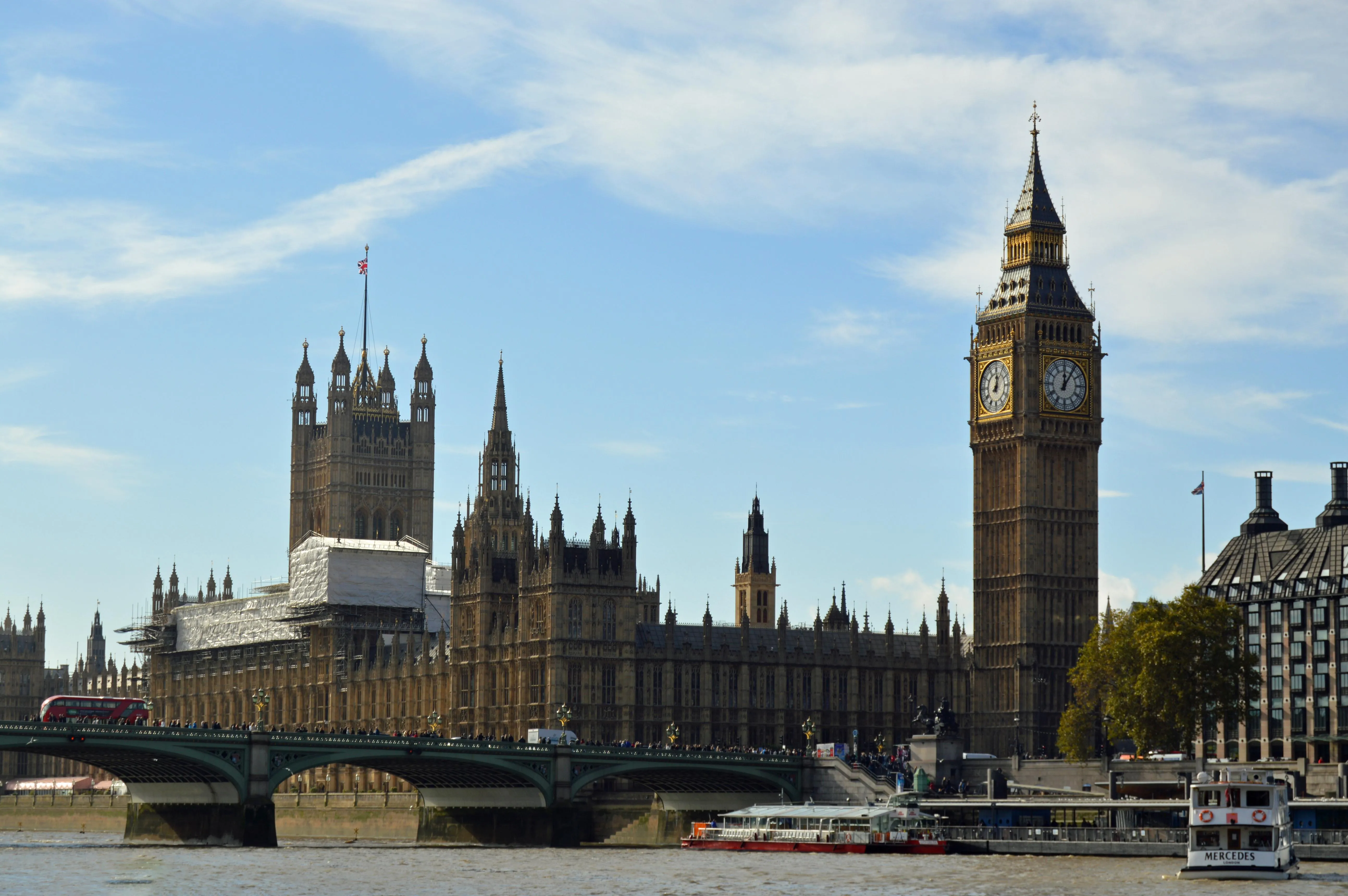
Big Ben is more than a London landmark. It is one of the few monuments in the world that can be recognised by both sight and sound. People know the tall Gothic tower, the huge clock dials, the gold details, the Houses of Parliament beside it, and the deep bell that seems to speak for London itself. For tourists, it is a photograph. For historians, it is a masterpiece of Victorian ambition. For Britain, it is memory turned into architecture.
Strictly speaking, Big Ben is not the tower. It is not even the clock. Big Ben is the nickname of the Great Bell inside the tower. The tower is officially called the Elizabeth Tower, and the clock is known as the Great Clock of Westminster. Yet everyday language has changed the meaning. Today, “Big Ben” usually means the whole image: the bell, the clock, the tower, Parliament, and London.
The story begins with disaster. In 1834, a devastating fire almost completely destroyed the old Palace of Westminster. This was not only the loss of a building. It was the destruction of a historic political home. Britain had to rebuild Parliament, but the new building needed to be more than practical. It had to express power, continuity, tradition, and national confidence.

In 1835, the competition to redesign the Palace was won by Sir Charles Barry. Barry was an experienced architect, but for the new Parliament he chose the Gothic Revival style. That choice mattered. Gothic architecture connected the new building with medieval England, old institutions, cathedrals, monarchy, and parliamentary tradition. However, Barry did not create the atmosphere alone. He worked closely with Augustus Welby Northmore Pugin, a brilliant designer who gave the building much of its Gothic detail and emotional force.
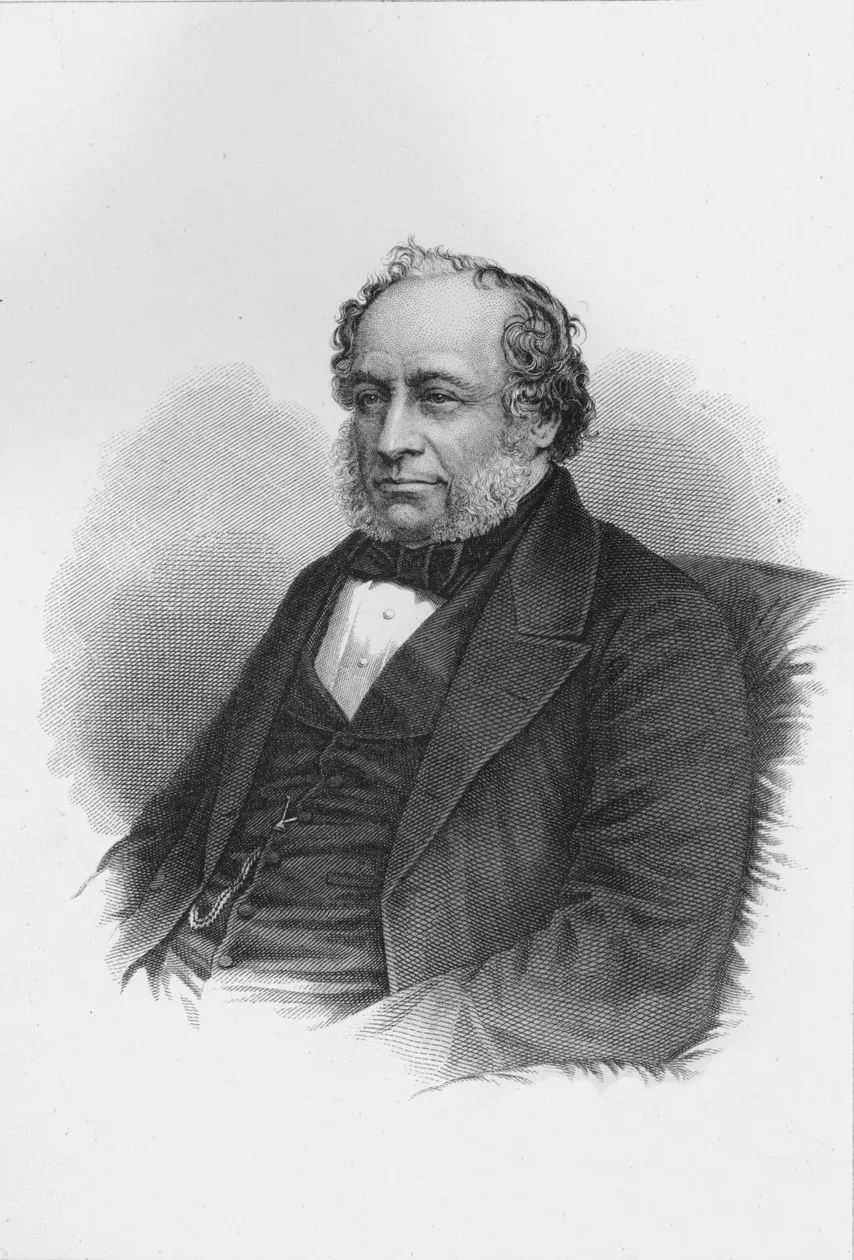
Barry shaped the overall architectural plan. Pugin shaped many of the details: interiors, carvings, furniture, decoration, and the rich Gothic language that makes the Palace feel ancient, ceremonial, and dramatic. That is why Big Ben cannot be described as the work of one person. It is the result of many minds: architects, designers, astronomers, clockmakers, engineers, bell founders, and public officials.
Construction of the Clock Tower began in 1843. The tower was meant to be beautiful, but also useful. In the nineteenth century, accurate time was becoming essential. Railways, factories, banks, government offices, and public life all depended on reliable timekeeping. A great clock above Parliament would not simply decorate London. It would help organise it.
The demand for accuracy came from Sir George Biddell Airy, the Astronomer Royal. His requirements were extremely strict. The clock had to be accurate in conditions that were difficult for any tower clock: wind pressed against the hands, weather affected the mechanism, and the height of the tower made stability harder. Yet this challenge helped make the Great Clock one of the most remarkable timepieces of the Victorian age.
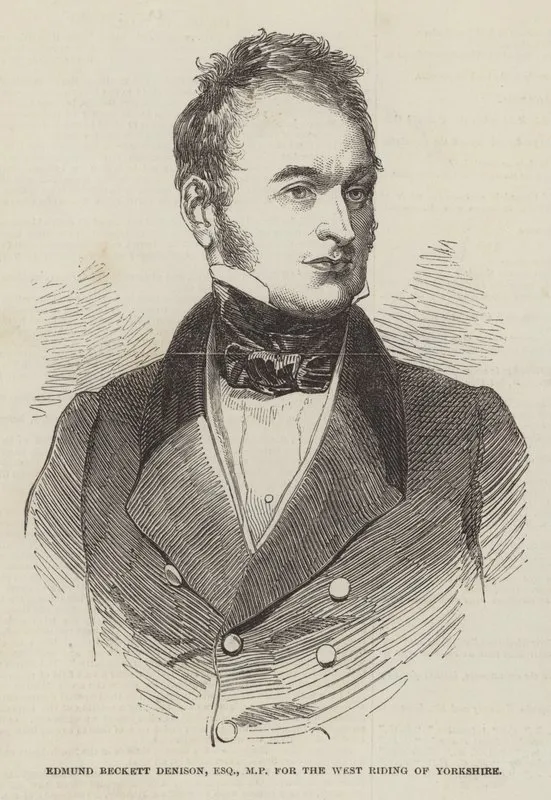
The design of the clock mechanism was developed by Edmund Beckett Denison. He was a lawyer by profession, but also a gifted horologist. His personality was strong and sometimes controversial, but his technical ideas were exceptional. The clock was made by Edward John Dent, one of Britain’s leading clockmakers. After Dent’s death, the work was completed by his stepson Frederick Dent.
The key innovation was the double three-legged gravity escapement. In simple terms, it allowed the pendulum to remain stable even when wind and weather affected the clock hands. This made the Great Clock unusually accurate for a tower clock. Even its adjustment became famous: old pennies could be placed on the pendulum to change the clock’s rate. Adding a coin made the clock run slightly faster; removing one slowed it down.
The bell had an equally dramatic history. The first great bell was cast in 1856 and was originally intended to be called Royal Victoria. During testing, however, it cracked. After disputes over responsibility, the bell was recast. In 1858, the second Great Bell was cast at the Whitechapel Bell Foundry in East London. It was carried through London to Westminster on a carriage drawn by sixteen white horses. The scene must have felt almost theatrical: a huge bell travelling through the city before becoming one of the most famous sounds in the world.
The nickname “Big Ben” is most commonly linked to Sir Benjamin Hall, the Commissioner of Works. He was a tall and prominent political figure, and the name may have begun as a joke or informal reference. At first, it referred only to the Great Bell. Later, people used it for the clock, the tower, and eventually the whole Westminster symbol.
On 31 May 1859, the Great Clock began ticking. On 11 July 1859, the Great Bell was heard for the first time. But the success was soon interrupted: the bell cracked again. Instead of recasting it, engineers turned the bell, reduced the weight of the hammer, and allowed it to continue sounding. This is why Big Ben’s voice is unique. It is not perfectly pure. It is slightly wounded, and perhaps that is what makes it unforgettable.
In the twentieth century, Big Ben became part of British national life. In 1923, the BBC first broadcast its chimes on radio. In 1932, its sound was broadcast internationally through the Empire Service, later known as the BBC World Service. A bell built for Parliament had become a sound recognised far beyond Britain.
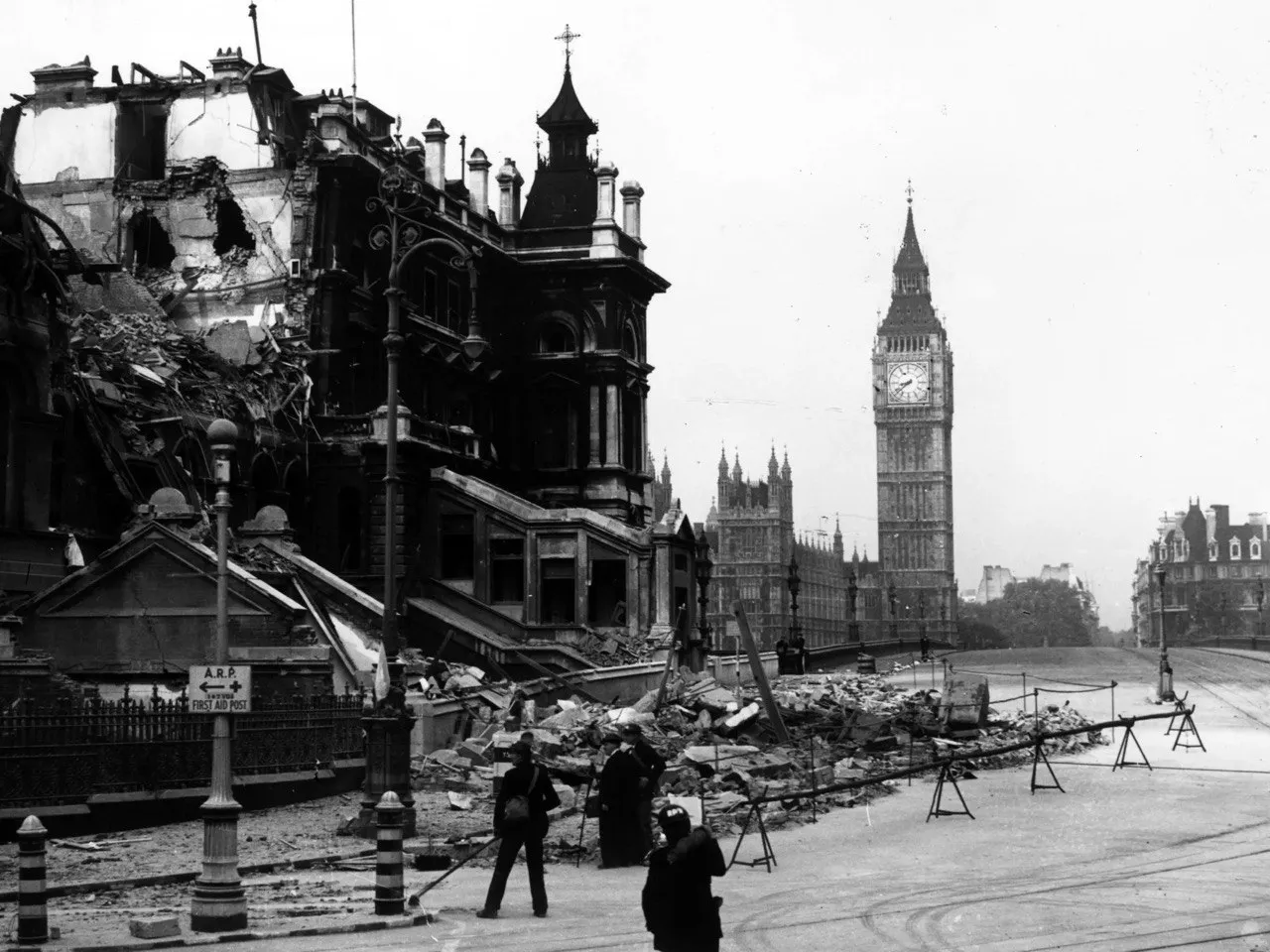
During the Second World War, Big Ben gained even deeper meaning. London was bombed, the Palace of Westminster was damaged, and the city lived under blackout conditions. The clock dials and the Ayrton Light were darkened so they would not guide enemy aircraft. Yet the clock and bells continued to work. For many people, this sound meant endurance: Parliament still stood, London still lived, and time had not stopped.
The tower also survived mechanical problems. In 1976, a serious failure damaged the clock mechanism, and Big Ben was silent for months. In 2007, the bells were stopped again for maintenance. But the greatest restoration began in 2017. The Elizabeth Tower was covered in scaffolding, and for several years one of London’s most familiar silhouettes disappeared behind conservation work.
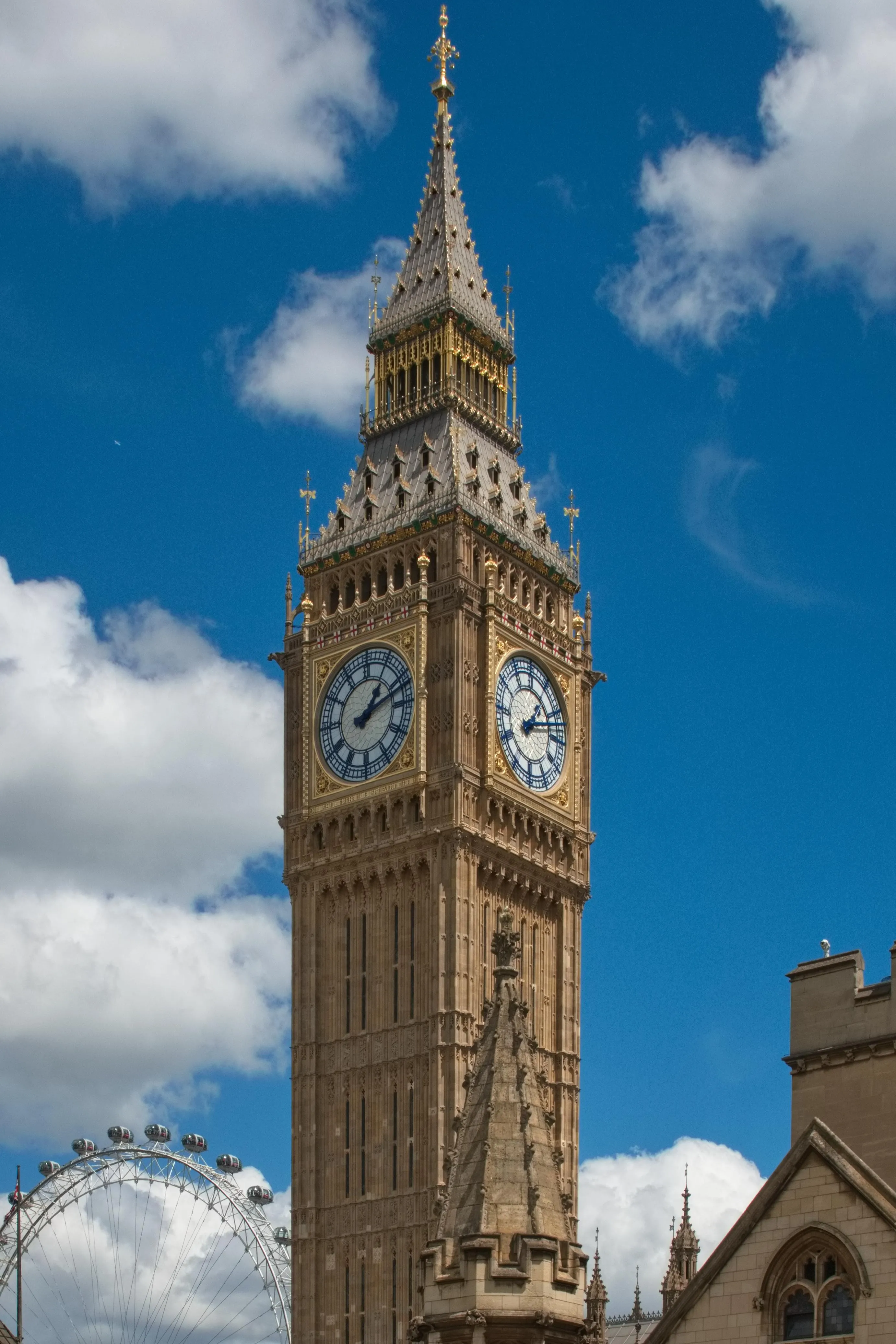
The restoration lasted until 2022 and became the largest conservation project in the tower’s history. Specialists repaired stone, metalwork, glass, the roof, the clock faces, and the internal mechanism. One of the most fascinating discoveries involved colour. Many people were used to the black details around the clock dials, but research showed that the original Victorian design used Prussian blue and gold. After restoration, the tower looked brighter, sharper, and closer to Barry and Pugin’s original vision.
In 2012, the Clock Tower was officially renamed the Elizabeth Tower to honour Queen Elizabeth II’s Diamond Jubilee. The official name changed, but the popular name remained. Big Ben had become too powerful to disappear. It was no longer just a nickname. It was a cultural symbol.
Today, the Elizabeth Tower stands 96 metres high. There are 334 steps to the belfry where the Great Bell hangs. Four clock dials face different directions across London, and above them the Ayrton Light shines when Parliament is sitting. This means the tower is not only a monument. It is still connected to the political life of the country.
Big Ben matters because it connects many histories at once: the fire of 1834, Victorian engineering, Gothic Revival architecture, parliamentary democracy, wartime endurance, broadcasting history, and modern restoration. Its bell cracked, but it kept speaking. Its tower aged, but it was repaired. London changed, but continued to listen.
Big Ben is not simply a clock. It is the voice of history counting forward.


