
Due to a fuel shortage, Russia has begun prioritizing food deliveries
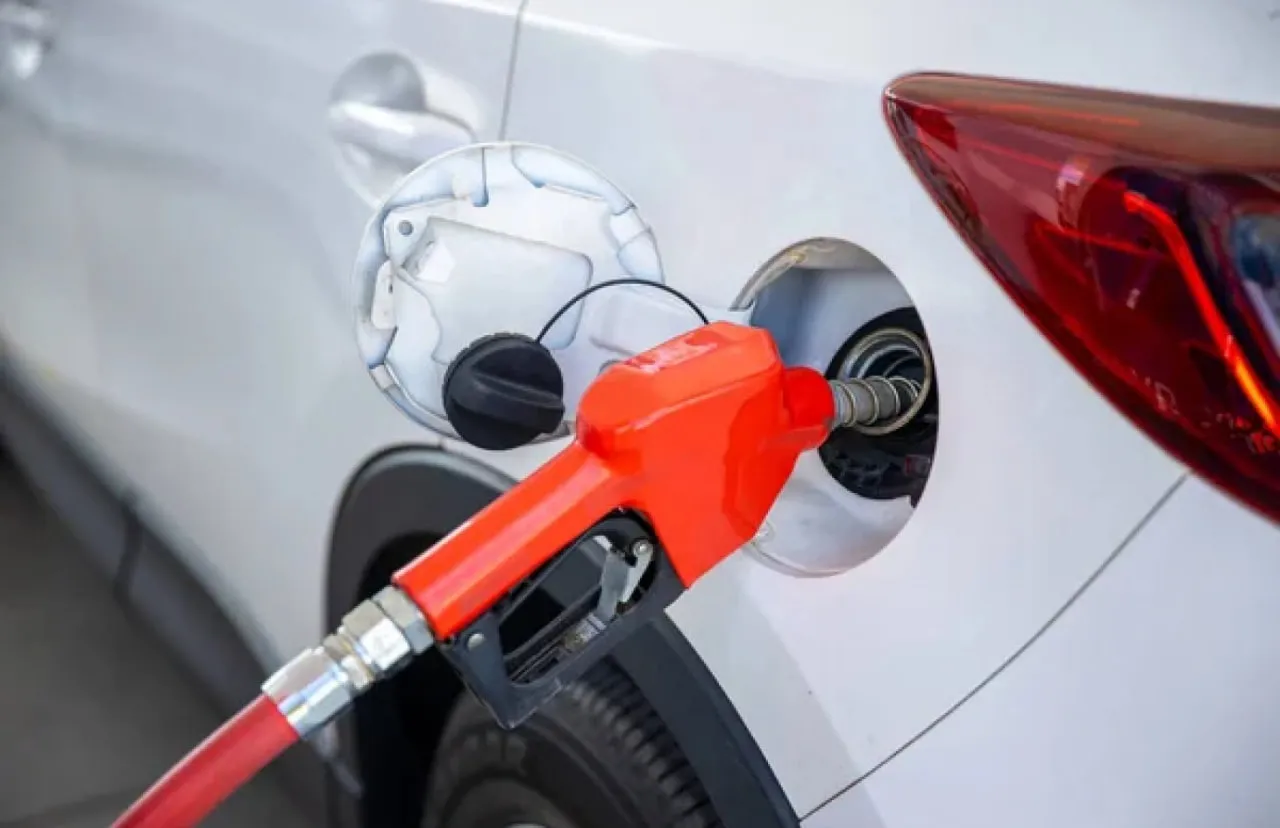
Russia has decided to prioritize fuel supplies for vehicles transporting food to large retail chains. This decision was made in response to the severe fuel crisis gripping the country.
The Russian government discussed a mechanism for prioritizing fuel supplies for food logistics, as the shortage of gasoline and diesel is already affecting various sectors of the economy.
These discussions underscore the Russian authorities’ deep concern over the fuel crisis, which was triggered by successful Ukrainian drone attacks on Russia’s energy infrastructure and oil refineries.
The Consequences of UAV Strikes and the Threat to Food Security
According to Reuters calculations and information from two industry sources, automotive gasoline production in Russia has fallen to a level equivalent to only about 65% of average seasonal consumption. This was caused by the forced shutdown of major refineries due to damage from drone strikes.
Due to a sharp decline in stockpiles, the government has had to manually allocate quotas to prevent food shortages on supermarket shelves.
According to Alexander Novak, government officials have agreed on the need to prioritize fuel supplies specifically for vehicles that deliver food to large retail chains. The official explained that this step is important to prevent food spoilage and to avoid additional logistics costs, which could subsequently lead to higher consumer prices.
Typically, Russian authorities issue fuel cards that drivers can use to refuel their vehicles. For now, these limits will be reallocated to support critical logistics operations.
Diesel Shortages for Farmers and the Impact on the Economy
Alexander Novak also noted that a special government task force established to address the fuel crisis discussed the issue of diesel fuel supplies for the agricultural sector, which is currently in the midst of the harvest season.
The Central Bank of Russia has already officially acknowledged that the decline in domestic motor fuel production will negatively impact the Russian Federation’s economic growth in the second quarter of 2026.
Following Russia’s attacks, the government has revised its plans for mobile gas stations.
Gas prices in Russia are hitting record highs due to intensified strikes on oil refineries, according to the ISW.
The Russian Red Cross has begun building up additional humanitarian aid reserves for the temporarily occupied Crimea and Sevastopol following the declaration of a state of emergency on the peninsula.
On the temporarily occupied Crimean Peninsula, local residents report prolonged power outages, fuel shortages, rising prices, and problems with social infrastructure. According to them, the situation is particularly dire in the northern regions of the peninsula.
As a reminder, Ukraine has claimed to have struck 19 Russian tankers carrying fuel for Crimea.


