
Blocking fertilizer exports through the Strait of Hormuz could lead to global famine
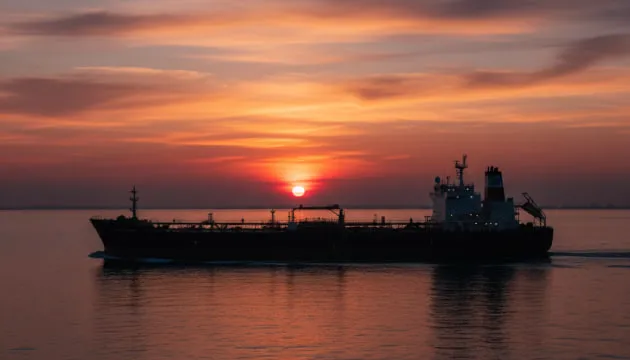
Tens of millions of people could face the threat of hunger and malnutrition if fertilizer shipments do not resume unimpeded through the Strait of Hormuz in the near future.
This was stated in an interview with AFP by Jorge Moreira da Silva, Executive Director of the United Nations Office for Project Services (UNOPS), as reported by France24.
“We have a few weeks ahead of us to prevent what is likely to become a massive humanitarian crisis… We could witness a crisis that will force another 45 million people to go hungry and suffer from starvation,” said the UNOPS director.
It is noted that in March, the UN Secretary-General established a task force, which included Moreira da Silva, to oversee a mechanism that would facilitate the passage of fertilizers and related raw materials, such as ammonia, sulfur, and urea, through the Strait of Hormuz.
For weeks, the UNOPS Executive Director has been working to convince the warring parties to allow at least a few ships to pass and has met with “more than 100 countries” to enlist UN member states in supporting this mechanism.
According to him, an increasing number of countries are expressing support for this plan, but the United States and Iran, as well as the Gulf states—which are key fertilizer producers—have not yet fully endorsed it.
Although the ultimate hope lies in a “robust peace” agreement in the region and “freedom of navigation for all goods” through the strait, “the problem is that the planting season cannot wait,” said Moreira da Silva.
He added that in some African countries, the planting season lasts only a few weeks.
Global attention is focused on the economic consequences of restricted oil and gas trade. At the same time, it is noted that the United Nations is sounding the alarm over the threat that the strait’s blockade poses to global food security, with countries in Africa and Asia likely to be hit particularly hard.
Moreira da Silva stated that the UN could activate a mechanism within seven days, but even if the strait were opened now, it would take three to four months to return to normal conditions.
“It’s only a matter of time. If we don’t quickly address the root cause of the crisis, we’ll have to deal with the consequences through humanitarian aid,” he emphasized.
Although food prices have not yet skyrocketed, according to Moreira da Silva, there has been a “significant increase” in the cost of fertilizers, which experts believe will likely lead to a decline in agricultural productivity and a sharp rise in global food prices.
Moreira da Silva said that allowing an average of just five ships per day carrying fertilizers and related raw materials to pass through the strait would help avert a crisis for farmers.
The Strait of Hormuz has once again come to a near standstill.
Recall that Israeli Prime Minister Benjamin Netanyahu does not consider the war with Iran to be over.
Official Tehran refused to participate in the second round of peace talks with the United States, which were to take place in Islamabad.
Iran rejected Trump’s claims about transferring uranium to the U.S. and accused him of manipulation.


