
Saudi Aramco reported oil losses due to the war in Iran
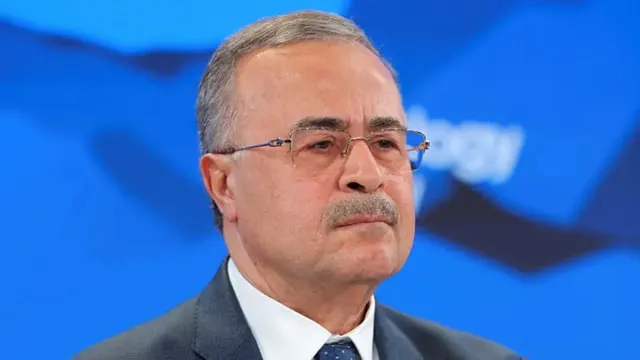
Against the backdrop of the war in Iran, disruptions to oil supplies through the Strait of Hormuz could affect the stability of the global oil market until at least 2027. This was stated by Saudi Aramco CEO Amin Nasser. According to him, the longer the disruptions to oil supplies last, the more difficult it will be to restore balance in the global energy market.
This was reported by Al Arabiya.
“The longer the supply disruptions last—even just a few more weeks—the much longer it will take for the oil market to stabilize,” Nasser said.
The head of Saudi Aramco warned that if the current situation persists until mid-June, the recovery process could drag on until 2027. The company stated that the consequences of the war with Iran and the de facto blockade of the Strait of Hormuz have already become one of the biggest shocks to the global energy market.
According to Nasser, the market is currently losing approximately 100 million barrels of oil per week. While previously about 70 ships passed through the strait daily, now only two to five do so. He emphasized that even the immediate reopening of the Strait of Hormuz would not allow the situation to stabilize quickly.
“Even if the strait were opened today, it would take months for the market to regain its balance,” the company’s CEO stated.
Due to the crisis, oil tanker traffic has sharply declined, and energy prices have risen, heightening fears of inflation and a potential economic downturn.
Amid the problems in the Persian Gulf, Saudi Aramco has increased export volumes via the East-West pipeline to the port of Yanbu on the Red Sea. According to Nasser, the company currently handles about 60–70% of its oil exports via this route. At the same time, Saudi Aramco is considering expanding the capacity of the port of Yanbu, which can currently export up to 5 million barrels per day.
For now, Nasser forecasts a rapid recovery in oil demand once shipping and trade return to normal.
“I wouldn’t call this a collapse in demand. It’s more of a forced restriction,” he said.
The head of Saudi Aramco also stated that, if necessary, the company could ramp up production to its maximum capacity of 12 million barrels per day in less than three weeks.
Oil prices have fallen to their lowest levels in recent weeks amid expectations of a deal between the U.S. and Iran.
Global oil prices are falling due to signals of a possible easing of restrictions in the Strait of Hormuz by the U.S. This could help restore supplies from the Middle East and stabilize the market.
Prior to this, the price of Russianoil had risen to a 12-year high amid the conflict with Iran.
The UAE is joining OPEC: a tectonic shift for the oil market.
The UAE has fully resumedair service following the threat of attacks from Iran.
Earlier, the UAE had banned its citizens from traveling to three countries.
Prior to this, Israel transferred modern air defense systems to the United Arab Emirates to strengthen protection against missile and drone attacks from Iran.


