
BMW has accused Russia of producing counterfeit cars
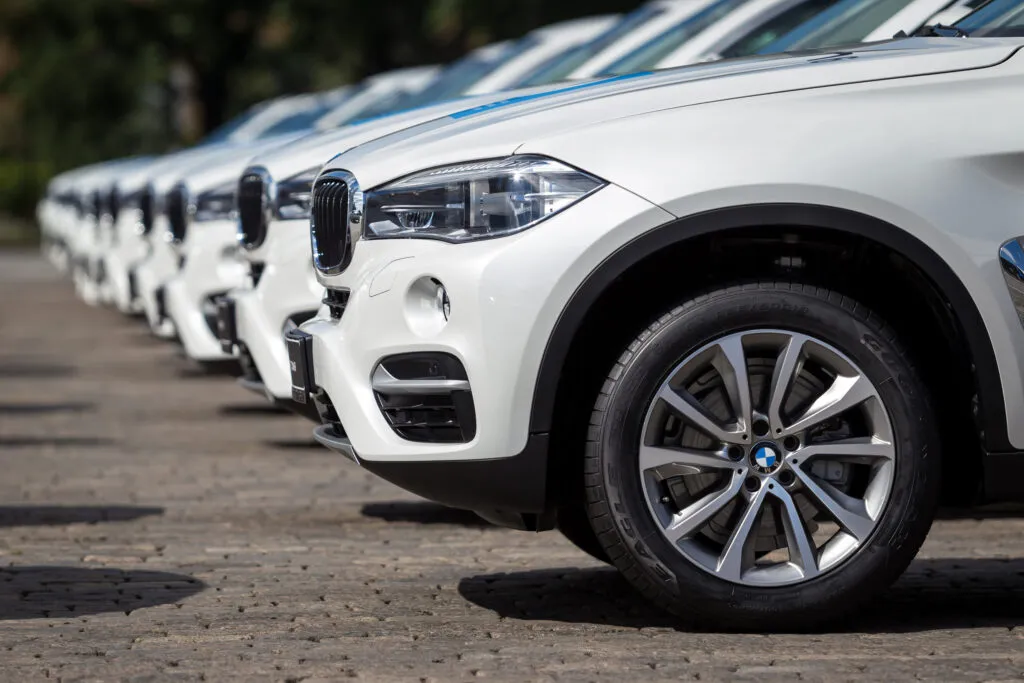
German automaker BMW has stated that its vehicles continue to be assembled in Russia without its permission. The company emphasized that such vehicles do not undergo official quality control or certification, and therefore urged buyers to be cautious.
The German automotive group BMW has stated that the Russian plant “Avtotor” in Kaliningrad continues to assemble BMW vehicles without the company’s approval. The company emphasizes that it has not granted any permits for such production since BMW’s withdrawal from the Russian market. For this reason, the automaker has labeled these vehicles “pirated” and warned potential buyers about the possible risks.
According to the publication, since early 2025, the Avtotor plant has resumed assembly of the BMW X5, X6, and X7 crossovers. To do so, the plant is using parts that have been in storage since 2022. It was at that time that BMW suspended operations in Russia following the outbreak of full-scale war against Ukraine. BMW confirmed that it has no connection to this production. In a comment to the Ukrainian news portal United24, a company representative described the assembly process as “irregular production” carried out without the group’s involvement or oversight.
The company also highlighted another important detail. According to BMW representatives, since 2022, cars assembled in Russia have not undergone the standard quality checks required by the manufacturer. “Since 2022, these cars have not undergone BMW’s quality control and certification,” the company stated.
For this reason, the manufacturer cannot guarantee that such vehicles meet the safety, reliability, and quality standards that apply to the brand’s official products. Furthermore, the company does not verify the origin of certain parts used in the assembly of these vehicles.
Experts note that after many global automakers withdrew from the Russian market, local manufacturers began looking for ways to continue production. In some cases, they are using old stockpiles of components that remained from before the sanctions were imposed and cooperation with Western companies ceased.
The Avtotor plant had long been BMW’s official partner in Russia. Until 2022, it assembled the German brand’s vehicles under license and under the manufacturer’s supervision. After Russia’s full-scale invasion of Ukraine began, BMW halted the supply of vehicles and components and ceased official cooperation with the Russian plant.
Despite this, according to Bild, the plant was able to resume assembly of certain models using leftover parts stored in its warehouses. At the same time, BMW emphasizes that the current production is not official and has not been approved by the company.
The company has also effectively warned potential buyers against purchasing such vehicles. Due to the lack of factory quality control and certification, the manufacturer cannot confirm their compliance with its own standards and assumes no responsibility for their quality or safety. That is why BMW has labeled these cars “pirated,” emphasizing that they are being produced without the company’s permission. This was reported by Bild.
In St. Petersburg, recruitment has begun for mobile fire teams tasked with protecting businesses and critical infrastructure from drone attacks. Volunteers are promised a salary starting at 180,000 rubles per month, bonuses for downed drones, and assurances that they will not be sent to fight in the war against Ukraine.




