
Japanese Buddhist temples invest donations amid inflation and falling income
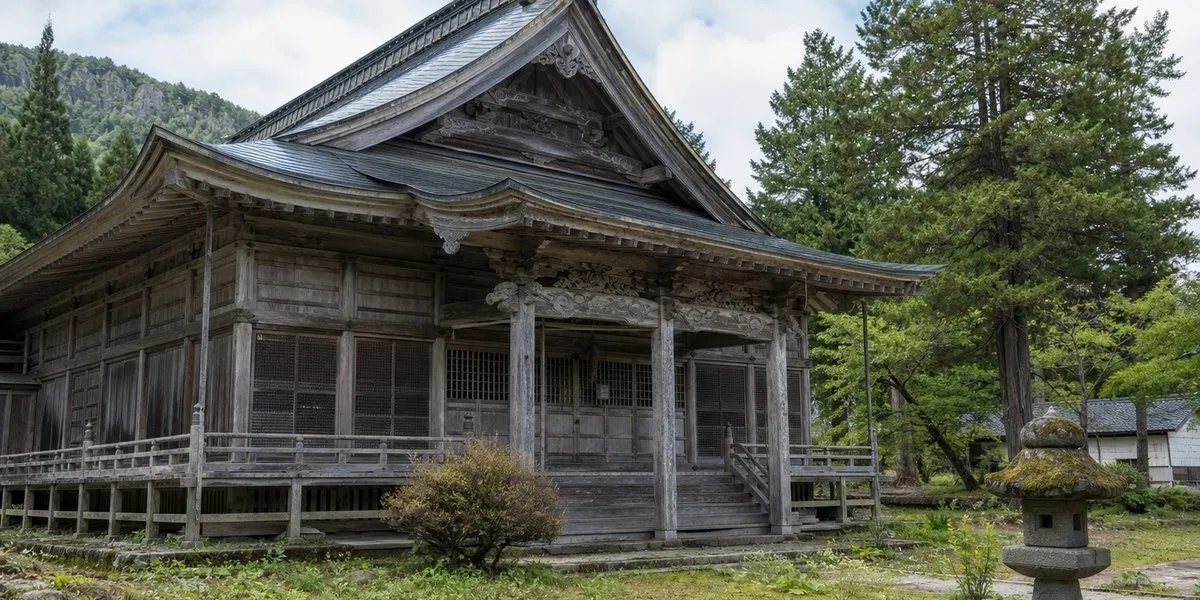
Buddhist temples in Japan are increasingly investing donations in financial instruments in an effort to cover the costs of maintaining old buildings amid inflation, a declining number of believers and falling income from funeral services. The Japan Times reports.
Fifth-generation Buddhist priest Kokyo Yoneta of Kongo-ji Temple in a small town on Hokkaido decided to invest funds already donated by believers. Over two years, his portfolio of U.S. Treasury bonds, Japanese real estate investment trusts and stocks, including BYD and Hyundai, generated more than 10% annually.
The income helped cover part of the roughly 25 million yen, or $162,000, needed to repair the temple, which is more than a century old. The additional funds also made it possible to expand the repair work compared with the original plan. Yoneta previously worked in retail sales at Daiwa Securities Group and inherited the temple from his father in 2018 after leaving his job in finance and training as a monk.
Falling funeral income
Funeral ceremonies and grave maintenance have traditionally been important sources of funding for temples. During the COVID-19 pandemic, families began spending less on funeral rituals, and this trend has persisted as inflation has increased households' daily expenses.
More current news is available on the UA.News Telegram channel Telegram.
According to a 2021 survey conducted by one of the largest Buddhist groups, Jodo Shinshu Honganji-ha, among 7,000 temples, about half earned less than 4 million yen in annual income. Over the past two decades, the number of Buddhists in the country has declined by about 14%. In rural areas, monks often oversee several temples while also working as teachers or civil servants.
Cautious fund management
At Daian-ji Temple in Nara Prefecture, most funds are still held in cash, but about 10% has been allocated to foreign currency-denominated insurance products that offer higher returns. Deputy priest Yusho Kono described this approach as purely defensive, saying that profit-making activities contradict the principles of monasticism.
The Soto-shu Buddhist school, which oversees about 15,000 temples across the country, manages 13 billion yen through eight accounts. About 10% of this amount is invested in Japanese government bonds, which are planned to be held to maturity, while another 2% is invested in debt securities of the Japan International Cooperation Agency, JICA.
According to the Bank of Japan, non-profit organizations, including schools and religious institutions, held about 5 trillion yen in corporate bonds as of March, roughly twice as much as in 2023. Their investments in Japanese government bonds increased from 2.5 trillion yen to 2.9 trillion yen over the same period.


