
Pakistan Senate committee calls for review of medical college entrance test weighting
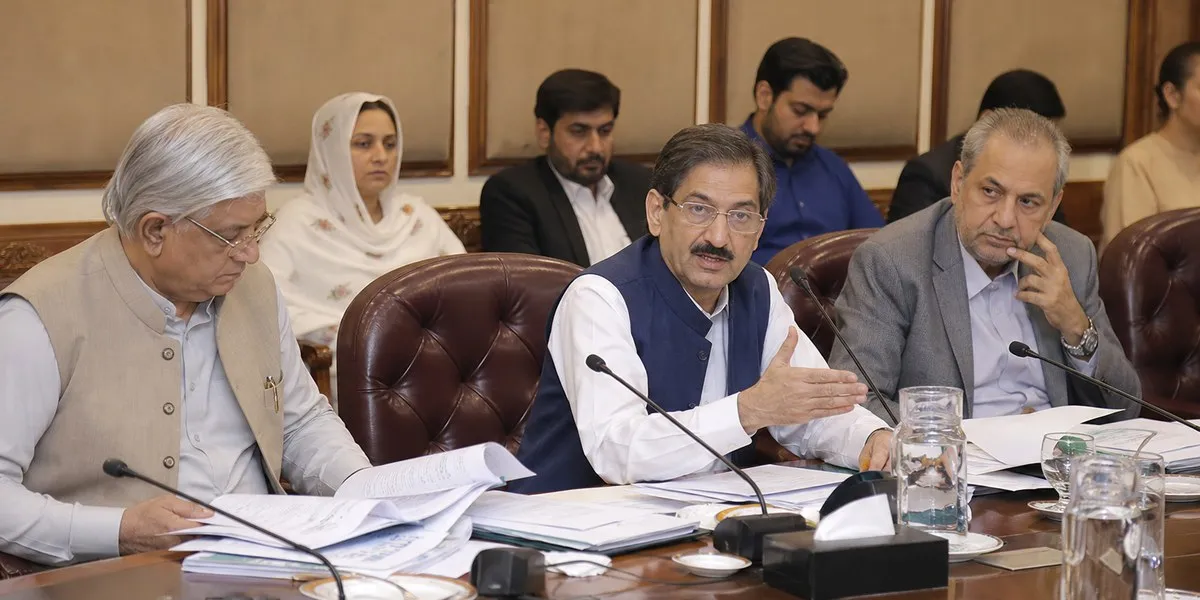
Pakistan’s Senate Committee on National Health Services called for meaningful consultations with all stakeholders and for rationalizing the weighting of the Medical and Dental Colleges Admission Test (MDCAT) in the medical college admissions process. The meeting was chaired by Senator Amir Waliuddin Chishti, Dawn reports.
Seat limit and MDCAT
The subcommittee’s report on MDCAT issues and medical education policy was presented by its coordinator, Senator Anusha Rahman. The document states that the Pakistan Medical and Dental Council (PMDC) has capped the total number of seats in medical colleges at 22,300 per year.
In the subcommittee’s view, this is insufficient for the needs of Pakistan’s healthcare system, and the restriction may contribute to a shortage of medical professionals. The committee was also told that about 93,000 students who passed the MDCAT were unable to gain admission to medical colleges.
The subcommittee recommended reviewing the seat limit. The report states that increasing the number of seats could provide economies of scale and help reduce the cost of medical education. It also recommended rationalizing the current 50% weighting of the MDCAT in admissions.
More current news is available on the UA.News Telegram channel Telegram.
Consultations and education quality
Participants in the meeting expressed concern about the representation of the private medical sector in policymaking. They considered consultations conducted mainly by email to be insufficient and stressed the need for structured dialogue with all parties, including private medical colleges.
The subcommittee also drew attention to differences between the FSc and A-Level education systems and the MDCAT format of multiple-choice test questions. In its view, the current format may increase applicants’ dependence on private preparatory academies. Among the recommendations is to give candidates several opportunities to take the MDCAT during the year.
Separately, the committee pointed to an inconsistency in PMDC policy, which requires MDCAT from students planning to enroll in foreign medical institutions. The subcommittee proposed strengthening regulation of foreign institutions that do not meet established standards and publicly disclosing their list. The committee chair stressed that expanding medical education must be combined with strict quality standards and proper regulation of private colleges.


