
Due to low water levels in the Danube, Romania has shut down a nuclear power plant unit
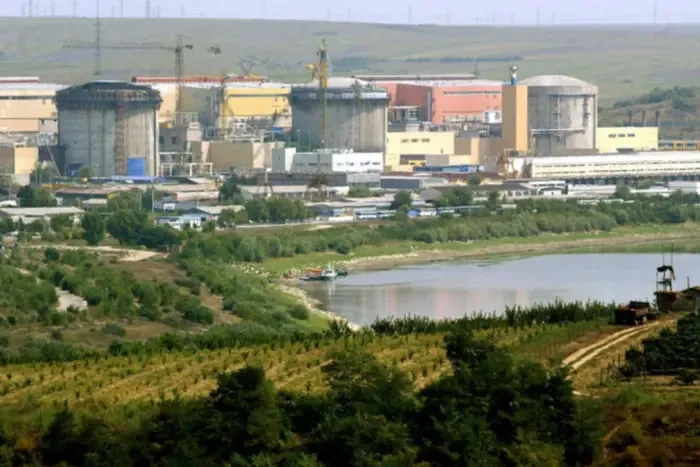
In Romania, a controlled shutdown of the second power unit at the Cernavodă Nuclear Power Plant has begun due to a further drop in the water level of the Danube. Problems with cooling the plant caused by the river’s low water level first arose in late July.
This is the first forced shutdown of the Cernavoda NPP due to low water levels in the Danube in the last 23 years.
The procedure began on the morning of August 13. Starting at approximately 11:00 a.m., the second power unit will stop supplying electricity to the national power grid. Its capacity is approximately 680 MW.
Nuclearelectrica noted that the decision was made due to a significant drop in the Danube’s water level. The power unit’s reconnection to the grid will depend on the future water levels of the river and forecasts.
This is the first complete shutdown of the Cernavoda Nuclear Power Plant in 23 years. The plant was last completely shut down in 2003—also due to a sharp drop in the Danube’s water level during a drought.
Problems with the operation of the Cernavoda Nuclear Power Plant due to the low water levels in the Danube began as early as late July. On July 28, the operator announced a controlled shutdown of the first power unit, as the river’s level and flow rate had dropped to critical levels.
The following day, Nuclearelectrica announced its intention to shut down the second unit as well. However, after a further assessment on July 30, experts decided to keep it in operation, as the parameters allowed for safe continued operation. At the same time, the operator warned that if the Danube’s water level continued to drop, the reactor could be shut down at any moment.
Until then, Romanian authorities had been trying to maintain the necessary water level near the plant. Specifically, they carried out dredging operations, removed obstacles from the Danube’s channel, and used barges to redirect the water flow to the cooling system. Due to unfavorable conditions, some of the planned work had to be postponed.
This was reported by the plant operator, Nuclearelectrica.
The Danube has become so shallow that shipwreck debris has become visible above the water.
As a reminder, the Cabinet of Ministers allocated nearly 50 million hryvnias to protect Izmail from flooding.
Drones attacked the port of Izmail, and air defense systems shot down most of the targets.
Ukraine is strengthening its defense system against Russian attacks amid massive strikes on various regions.


