
Four EU countries have stopped recognizing non-biometric passports issued by the Russian Federation
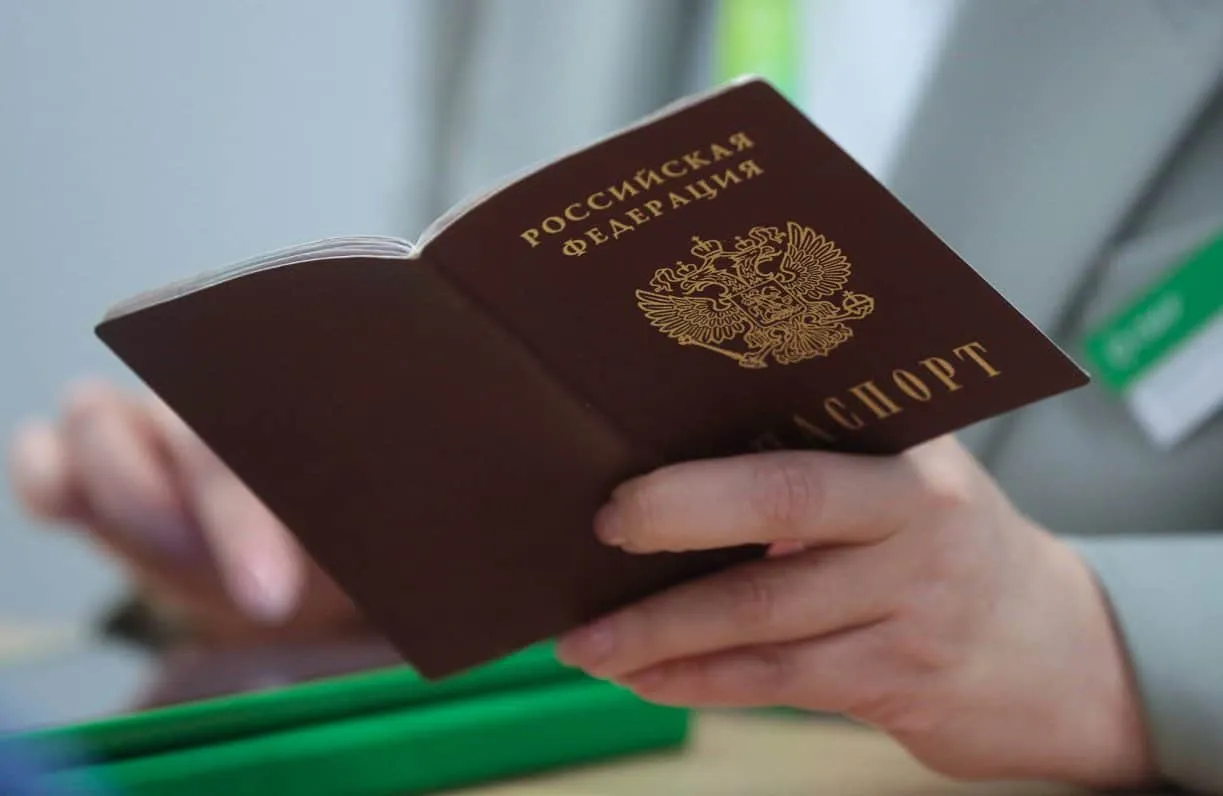
Belgium, Luxembourg, the Netherlands, and Sweden will no longer recognize Russian foreign passports without biometric data as of October 1, 2026.
At the same time, Sweden has provided for a transition period: until the end of 2026, it will allow entry to Russians with non-biometric passports if they already hold a valid visa or residence permit from one of the EU or Schengen Area countries.
Belgium, Luxembourg, and the Netherlands have not provided for such an exception.
Given the new restrictions, Russian non-biometric foreign passports will no longer be accepted in 15 European countries, according to the Association of Russian Tour Operators.
The list of countries that previously introduced similar restrictions includes Germany, France, Finland, Poland, the Czech Republic, Romania, Latvia, Lithuania, Estonia, Iceland, and Denmark.
“The main officially stated reason for the restrictions is document security: the absence of an electronic chip complicates the automatic verification of a passport’s authenticity and the identity of its holder, and increases the risks of forgery or misuse,” explained Yegor Kayl, an expert with the Russian Union of the Tourism Industry.
Currently, Russia issues two types of foreign passports:
- biometric—valid for 10 years;
- non-biometric—valid for 5 years.
A biometric passport contains an electronic chip with the holder’s personal data, including a photograph and fingerprints.
Such a passport is more expensive but can provide more opportunities for visa-free or simplified entry into countries that recognize modern document standards.
Amid the new restrictions, Russians have also faced difficulties in obtaining foreign passports.
In March, a significant number of applicants were unable to schedule an appointment with the Ministry of Internal Affairs due to overcrowded offices. Problems were reported, in particular, in Moscow, St. Petersburg, Yekaterinburg, Kazan, and Krasnodar.
This situation arose amid growing interest among Russians in emigration. As of mid-July, problems with scheduling appointments at the Ministry of Internal Affairs persisted. In Moscow, for example, some applicants were unable to submit their documents for a foreign passport for an entire month.
This is stated in a report by the European Commission.
Residents of Moscow and a number of other regions in Russia have been unable to schedule an appointment to submit documents for foreign passports for nearly a month. The Russian Federation’s public services portal has long lacked available “appointment slots,” making it practically impossible to obtain a passport through the standard procedure.


