
Daily Maverick: South Africa discusses cooperation between communities and municipalities
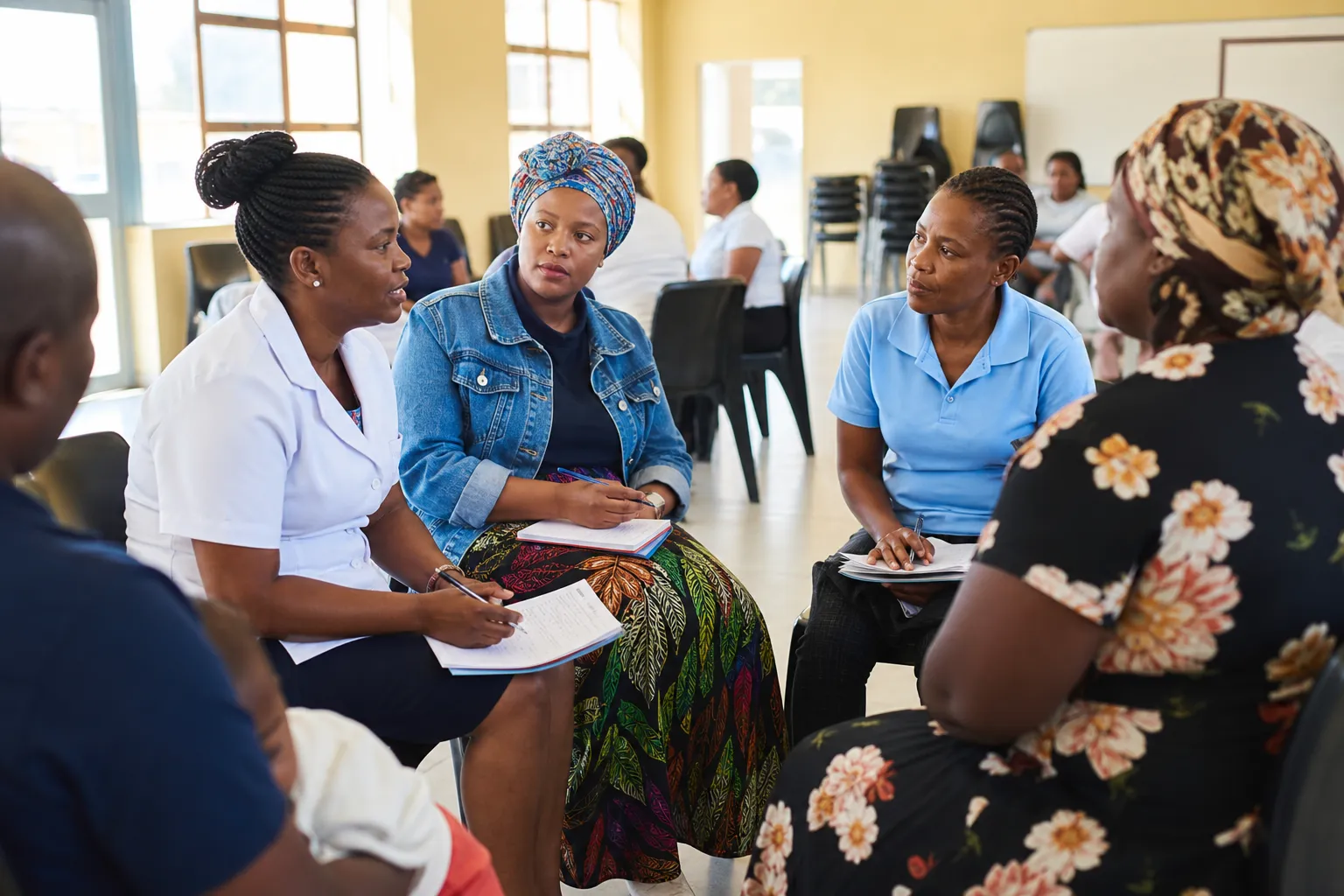
Ahead of local elections, South Africa is discussing a governance approach in which municipalities, residents, civil society organisations and businesses jointly identify problems and work to solve them. The author of the article believes that this model should go beyond periodic public consultations on service delivery plans.
As Daily Maverick writes, the draft revised White Paper on Local Government acknowledges that the country’s commitments to collaborative governance and public participation have fallen short of expectations nearly 30 years after the original framework was introduced.
From consultations to joint action
The publication notes that even the proper work of individual institutions — municipalities, schools, clinics and government departments — does not guarantee better outcomes for children if the system of their interaction remains fragmented. The author proposes focusing on outcomes that people experience in everyday life and determining what different participants can do separately and together.
At the same time, municipalities and other public institutions, the article stresses, retain duties defined by law. Collaborative governance should not replace these duties; rather, it should make the accountability of authorities more visible and expand the capacity of other participants to act where they are able to do so.
More current news is available on the UA.News Telegram channel Telegram.
An example from the Eastern Cape province
In a low-income community in the Eastern Cape province, health workers, early childhood development specialists, representatives of health and social development departments, civil society organisations, local businesses and residents jointly sought the reasons preventing children from arriving at Grade R healthy, safe and ready to learn.
One unexpected problem was the large number of unregistered births. Participants in the discussion concluded that the absence of a birth certificate makes it more difficult for guardians to access social grants and for early learning programmes to access state subsidies for children without documents. Obstacles also arise when children reach school age.
Participants identified the need for closer coordination between services and government departments so that children do not lose support at the intersection of different areas of responsibility. Among the mechanisms for aligning priorities in South Africa, the article names Integrated Development Plans, the District Development Model, One Plan and the Sukuma Sakhe initiative in KwaZulu-Natal province.


