
Aid after floods in Nepal among the most challenging for WFP — Channel NewsAsia
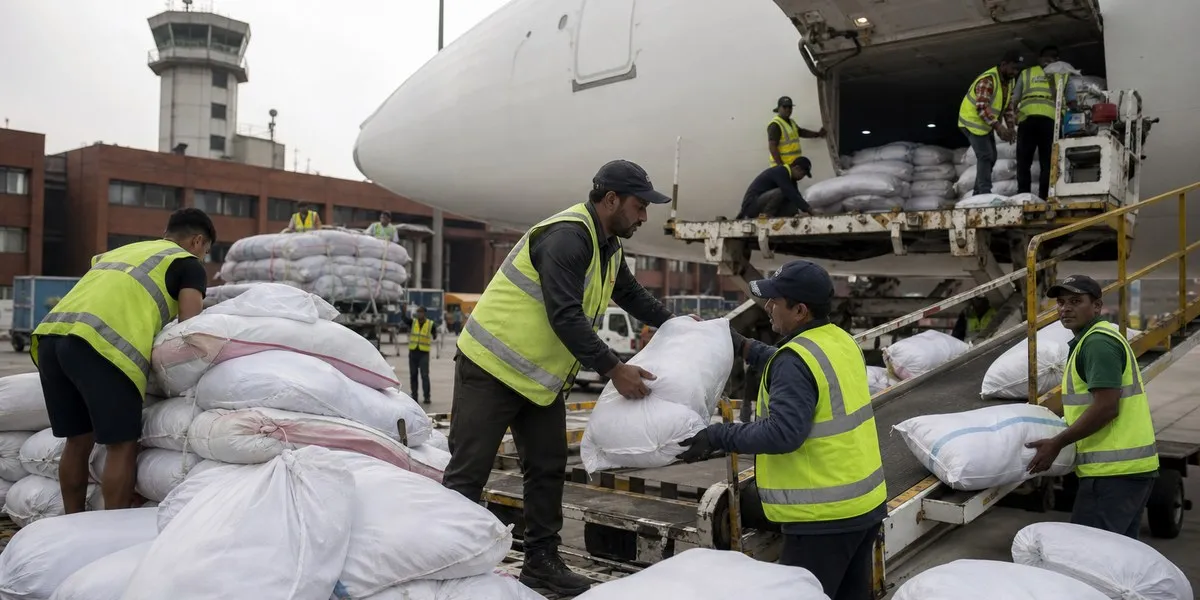
The operation to deliver humanitarian aid after massive flooding in Nepal is among the three most challenging the UN World Food Programme (WFP) has faced. Riaz Lodhi, the head of WFP in Nepal, told AFP, as reported by Channel NewsAsia.
Isolated communities
The August 26 flood was caused by the collapse of a glacial mass in the Himalayas on the border between China and Nepal. Scientists link the collapse to climate change. Water flows destroyed roads, bridges and hydropower dams in mountainous areas. At least 1,446 people were killed, while more than 6,500 are considered missing in both countries.
According to Lodhi, some affected areas can only be reached by helicopters, making the humanitarian operation very costly. Due to damaged infrastructure, routes that previously took about two hours can now take an entire day. Many communities near the epicenter of the disaster remain cut off, and the UN is working with the Nepalese government to deliver urgent aid there.
More current news is available on the UA.News Telegram channel Telegram.
Cargo drones for food
For the first time in Nepal, WFP has deployed cargo drones to deliver food to isolated communities. Depending on operating conditions, such drones can carry between 30 and 100 kilograms of cargo. Lodhi said the drones made it possible to deliver food in 5–10 minutes.
During Nepal's deadly 2015 earthquake, WFP used mules, yaks and porters to transport food, and deliveries sometimes took two to three days. The organization has already used drones in other operations, but not on this scale.
WFP expects to provide food assistance for four to six months. At the same time, the needs of those affected will remain significant, as people have lost food stocks, homes and crops. Nepal estimated the cost of recovery after the disaster at $4.78 billion.


