
Researchers in South Africa propose making spekboom a staple vegetable — Daily Maverick
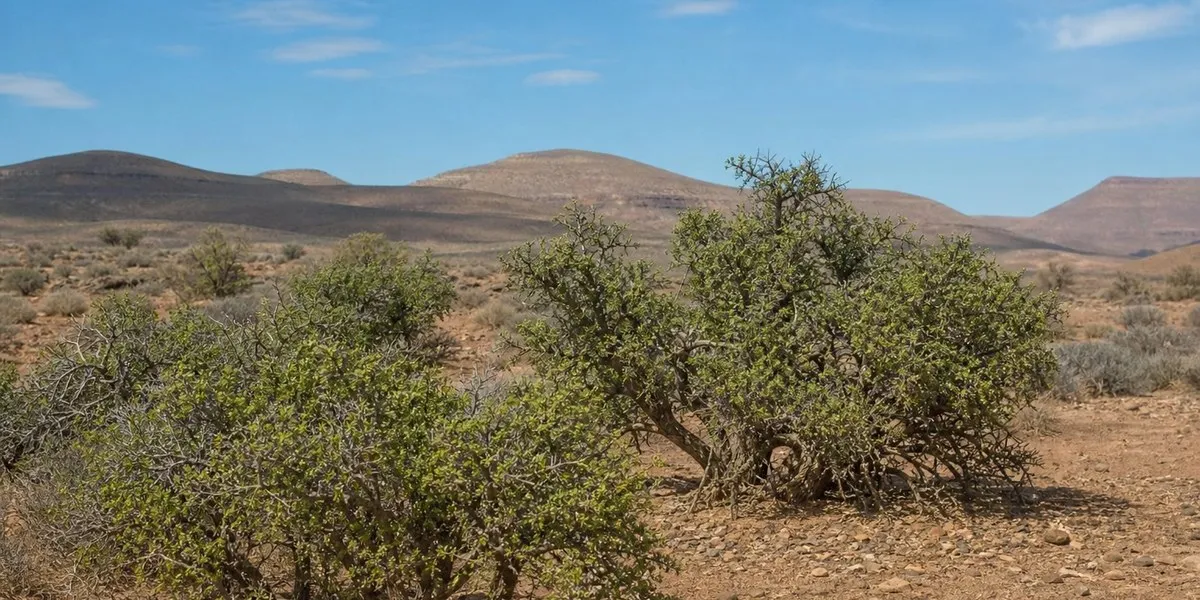
Researchers at the University of the Free State in South Africa propose recognizing the local spekboom plant as a staple vegetable in the country’s diet. Researchers Alba du Toit and Marina Boshoff believe the plant can diversify diets and support the food system thanks to its drought resistance and opportunities for small businesses, Daily Maverick reports.
Nutritional value and drought resistance
According to the researchers, spekboom can grow in arid conditions and on relatively poor soils without irrigation or fertilizer application. The plant helps protect soil and stabilize areas affected by erosion. It also captures carbon dioxide from the atmosphere and stores it as it grows.
A study by the University of the Free State showed that spekboom contains high levels of moisture, soluble fiber, vitamin C, calcium, phosphorus, magnesium and selenium. Alba du Toit noted that the plant retains a high vitamin C content after heat treatment. At the same time, she stressed that spekboom will not replace highly nutritious foods but can supplement the diet.
More current news is available on the UA.News Telegram channel Telegram.
The plant’s leaves have a sour, tangy taste. They are suggested for salads, sandwiches and smoothies, as well as for chutneys, seasonings, curries, soups and stews. According to Marina Boshoff, spekboom’s nutritional properties are similar to those of dark green vegetables, including spinach, although the plant contains less iron.
Demand and commercialization risks
In a survey of 120 students and university staff, nearly 80% of respondents said they were willing to include spekboom in their diet. Another 82.5% said they would be more likely to consume it if they knew more about its health benefits. Seventy-five percent of those surveyed were willing to buy the plant in supermarkets, while about 77.5% would consider such a purchase if spekboom were cheaper than other vegetables.
According to the researchers, growing and processing spekboom could create a market for small-scale farmers, informal vendors and local food processors. At the same time, Mariam Mayet, executive director of the African Centre for Biodiversity, warned that commercial success could change control over the resource and the distribution of profits. She believes that developing this sector should support local food systems, small producers, biodiversity conservation and fair benefit-sharing.




