
A study linked a low-emissions zone in London to improved lung development in children
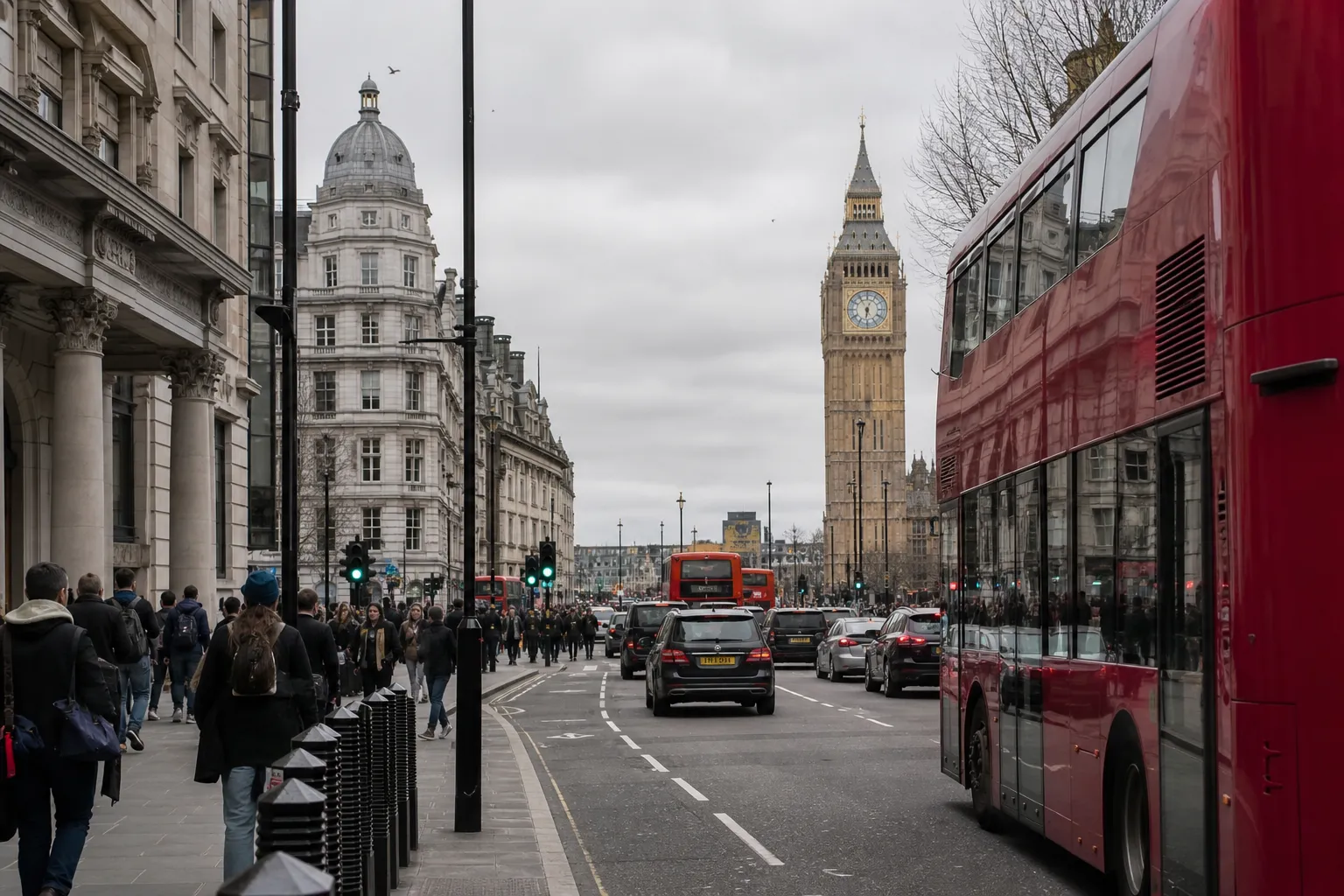
The introduction of London’s Ultra Low Emission Zone (ULEZ) has been linked to improvements in lung size and function among schoolchildren. According to The Guardian, a study showed that after restricting access for the most polluting vehicles, lung development in children began to recover.
The study, conducted by researchers at Queen Mary University of London, included 1,664 children aged six to nine in London and 1,750 children in Luton. This city was used as a control because it had a similar mix of traffic pollutants but did not have a clean air zone in place.
The children were examined annually at their schools from 2018 to 2022: researchers measured their height and assessed their health to track lung development. Initial measurements showed that the London children’s lungs were significantly smaller than those of their peers in Luton. After the launch of the ULEZ, lung size and health indicators among London schoolchildren improved and became comparable to those of children from the control city.
For more breaking news, follow the UA.News Telegram channel.
Researchers also found a strong link between improved lung function and air quality. Over the five years following the introduction of Ulez, the impact of nitrogen dioxide on children in London decreased twice as fast and by twice as much as in Luton.
Previous studies indicated that by the age of eight or nine, children from London’s most polluted areas had 5–10% lower lung capacity than their peers from other areas. The researchers attributed this to the effects of nitrogen dioxide and noted that this condition may increase the risk of respiratory, cardiovascular, and metabolic diseases in adulthood.
At the same time, Stephen Burgess, a professor of biostatistics at the University of Cambridge who did not participate in the study, noted that it is not entirely clear whether all the observed changes were caused specifically by the ULEZ rather than other factors, particularly the impact of the COVID-19 pandemic on pollution levels. He described the results as encouraging for assessing the impact of the urban environment on children’s lung development.


