
Duvy Honig criticizes trade restrictions in Jerusalem Post
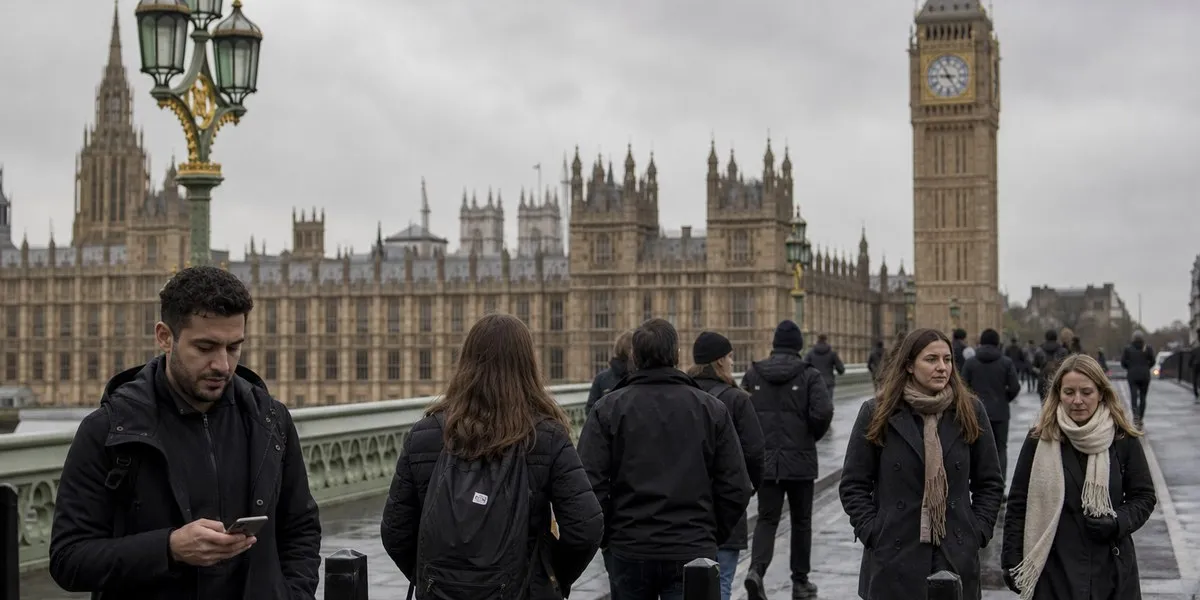
Duvy Honig, founder and CEO of the Orthodox Jewish Chamber of Commerce, stated in a column for the Jerusalem Post that the United Kingdom, France and Canada have taken steps to restrict trade in goods from Jewish communities in Judea and Samaria. The author described this as economic pressure on the Jewish presence in the region and linked such actions to discussions about borders, settlements and a two-state settlement.
Historical parallels
Honig draws a parallel between what he considers to be current trade restrictions and the history of persecution and expulsions of Jews in Europe. In particular, he mentions the expulsion of Jews from England in 1290 and repeated expulsions from France.
The author also referred to the events of 1929 in Hebron, when the United Kingdom was the authority in the territory and was responsible for security. According to him, the Jewish community warned the British authorities about the threat of violence, and 67 Jews were killed during the pogrom. Honig believes that London should conduct a historical and legal assessment of the actions of the British administration ahead of these events.
More current news is available on the UA.News Telegram channel Telegram.
Employment in the region
In Honig's view, trade restrictions may affect Palestinian workers at enterprises in Judea and Samaria. As an example, he cited the situation with SodaStream: the author claims that after pressure that contributed to the company's departure from its factory in the region, hundreds of Palestinians lost their jobs.
Honig also mentioned Airbnb's decision to remove listings from Jewish communities in Judea and Samaria. According to him, the Orthodox Jewish Chamber of Commerce opposed this step, and after actions by Florida authorities and lawsuits, the company reversed its decision.
In the column, Honig stressed that criticism of the Israeli government should not automatically be considered antisemitism. At the same time, he criticized the approach of Western governments which, in his view, has increased pressure on Israeli communities and businesses following the Hamas attack on October 7.


