
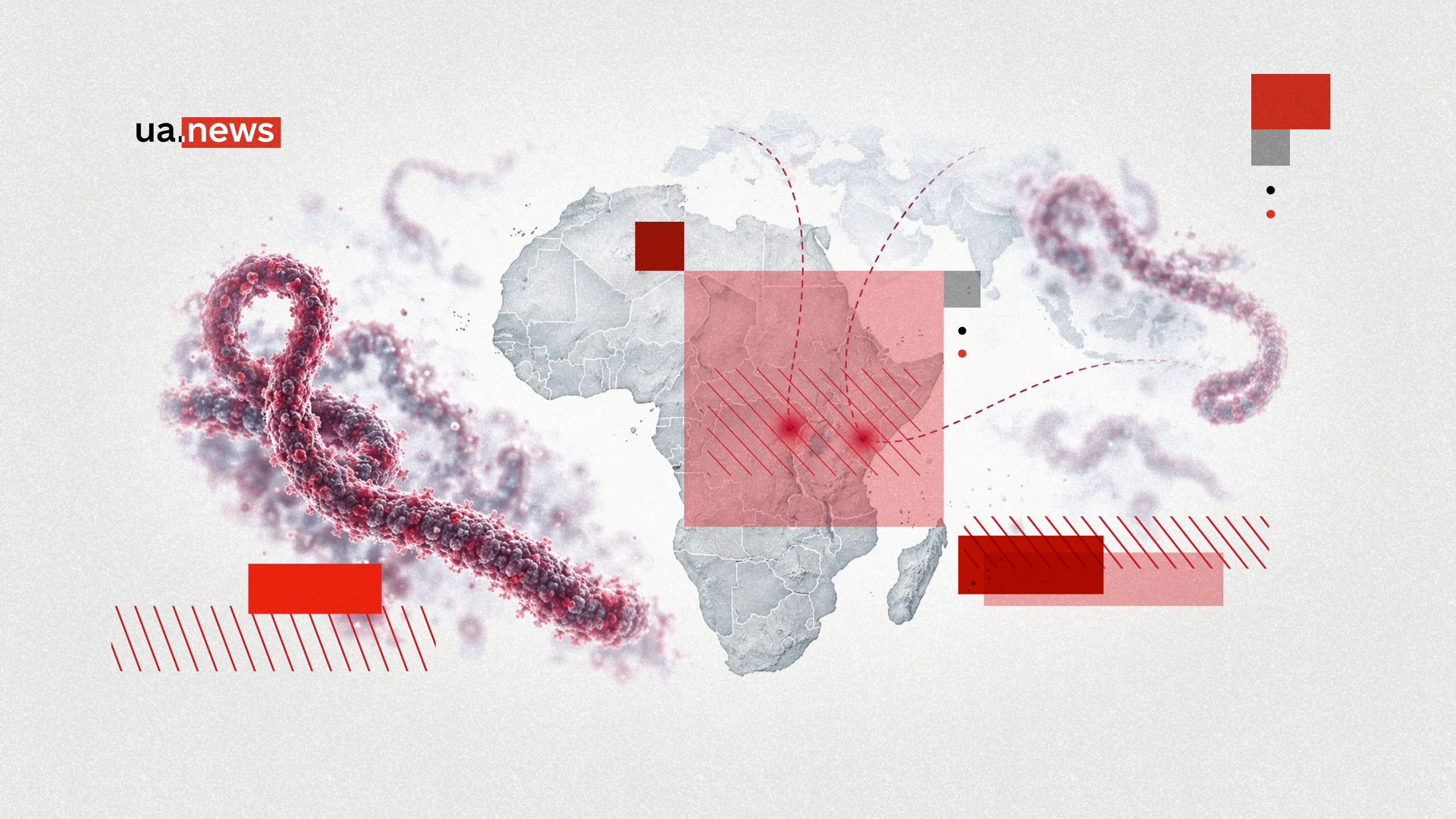
The Ebola outbreak that began in the Democratic Republic of the Congo (DRC) continues to spread. As of October 18, eight cases of infection have been confirmed in Kenya, including among healthcare workers who had contact with the first patient. In the DRC itself, the epidemic has spread to another province bordering the Central African Republic.
However, this does not mean that the virus is already spreading uncontrollably around the world. Kenyan authorities are tracing the contacts of infected individuals, isolating patients, and tightening border controls. European health authorities are also monitoring the outbreak, although they assess the risk to the EU population as very low.
UA.News explains where Ebola outbreaks are occurring, how many people have been infected and have died, which countries are at risk, and whether the virus could reach Europe again.
How Many People Have Contracted Ebola and Where Are Outbreaks Occurring?
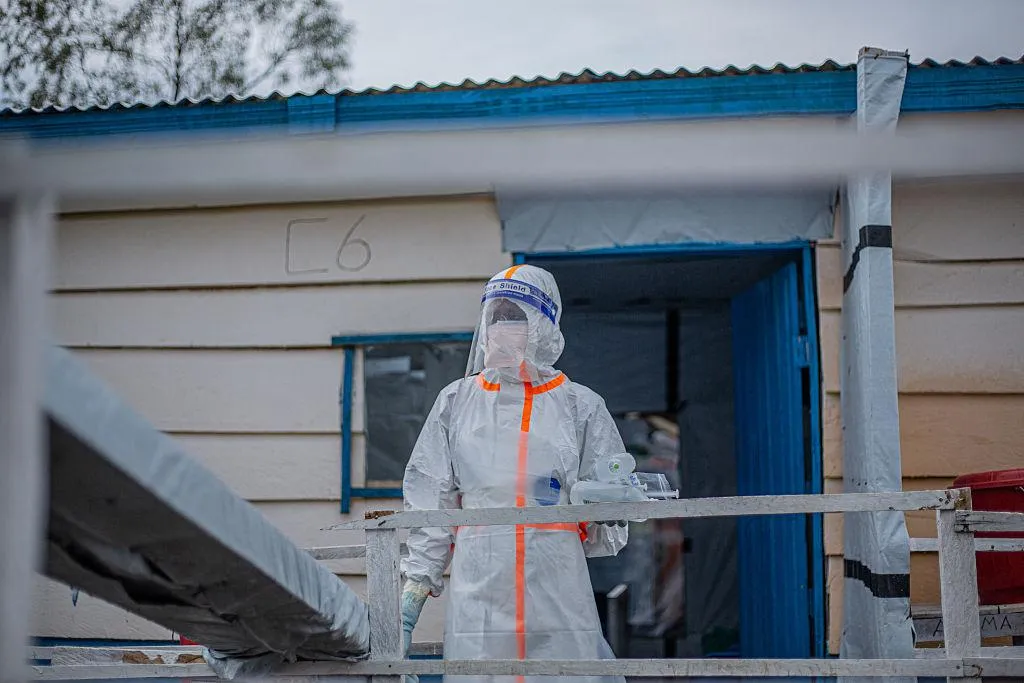
The current outbreak is caused by the Bundibugyo virus—one of the Ebola virus strains. The World Health Organization (WHO) reported the spread of the disease in the Democratic Republic of the Congo and Uganda in May 2026. Subsequently, cases linked to this outbreak were reported in France and Kenya.
According to Reuters, which published statistics from the National Institute of Biomedical Research of the DRC, as of October 16, 9,415 confirmed cases and 4,536 deaths had been recorded in the DRC.
The geographical spread of the outbreak is a particular cause for concern. On October 18, authorities confirmed cases in North Ubangi Province, which became the country’s eighth affected province. Two infected individuals were identified there, one of whom died. Previously, cases had been reported in the provinces of Ituri, North Kivu, South Kivu, Upper Uele, Lower Uele, Tshopo, and South Ubangi.
The highest number of cases is in Ituri—a province in eastern DR Congo, where a significant portion of the epidemic is concentrated. The situation is complicated by population displacement, armed conflict, limited access to medical care, and mistrust of medical facilities among some local residents.
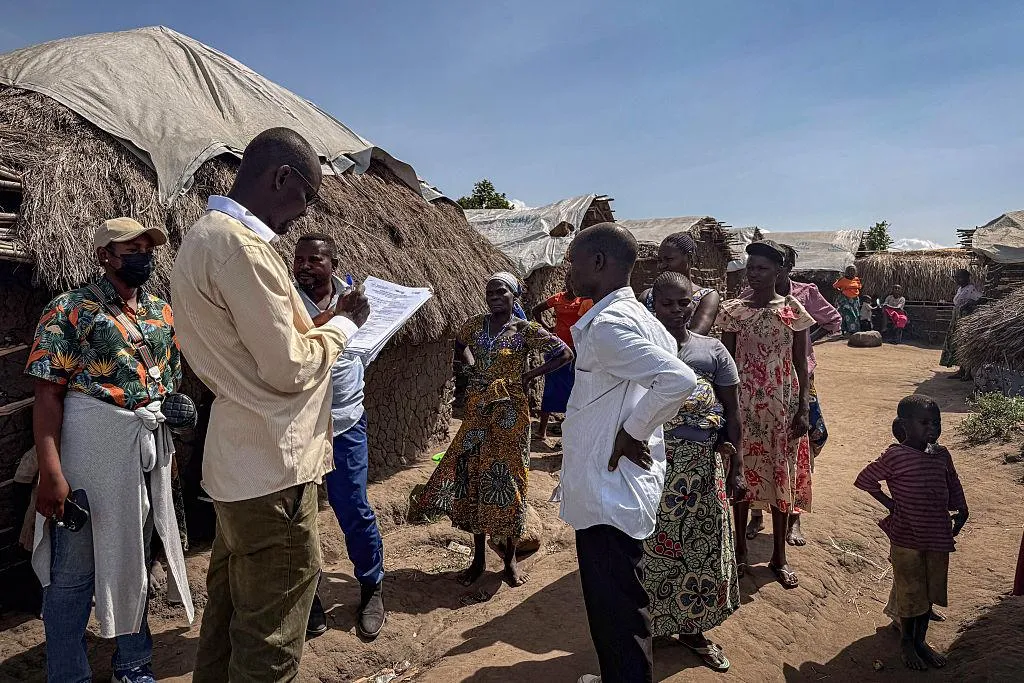
According to the Associated Press, in some areas, infected people avoid hospitals out of fear of treatment or distrust of the healthcare system. As a result, medical teams have to visit people at home to identify potential cases of infection and trace the patients’ contacts.
The spread of the virus across multiple provinces simultaneously makes it difficult to control transmission chains. Even if the number of new cases is decreasing in a particular area, this does not mean that the epidemic has ended in other parts of the country.
What’s Happening in Kenya: Eight Cases and Infections Among Healthcare Workers
Kenya has become one of the countries where the virus spread from the Democratic Republic of the Congo. The first confirmed patient was a 40-year-old man who had been living in the DRC and then traveled through Uganda to Nairobi. He arrived in the Kenyan capital on October 3, was hospitalized, and died on October 5.
The WHO confirmed that samples from the patient tested positive for the Bundibugyo virus. The organization also announced the launch of an epidemiological investigation in Kenya and Uganda.
Over the following days, the number of confirmed cases in Kenya rose. Initially, the disease was detected in close relatives of the first patient who were in quarantine. Subsequently, healthcare workers who had cared for him at the hospital also tested positive.
On October 18, Patrick Amot, Director-General of the Kenya Health Service, reported the eighth case. According to him, among the 38 people tested for the virus that day, one result came back positive. The infected individual was a 49-year-old hospital worker who was responsible for cleaning dishes and linens and likely became infected through contact with the first patient.
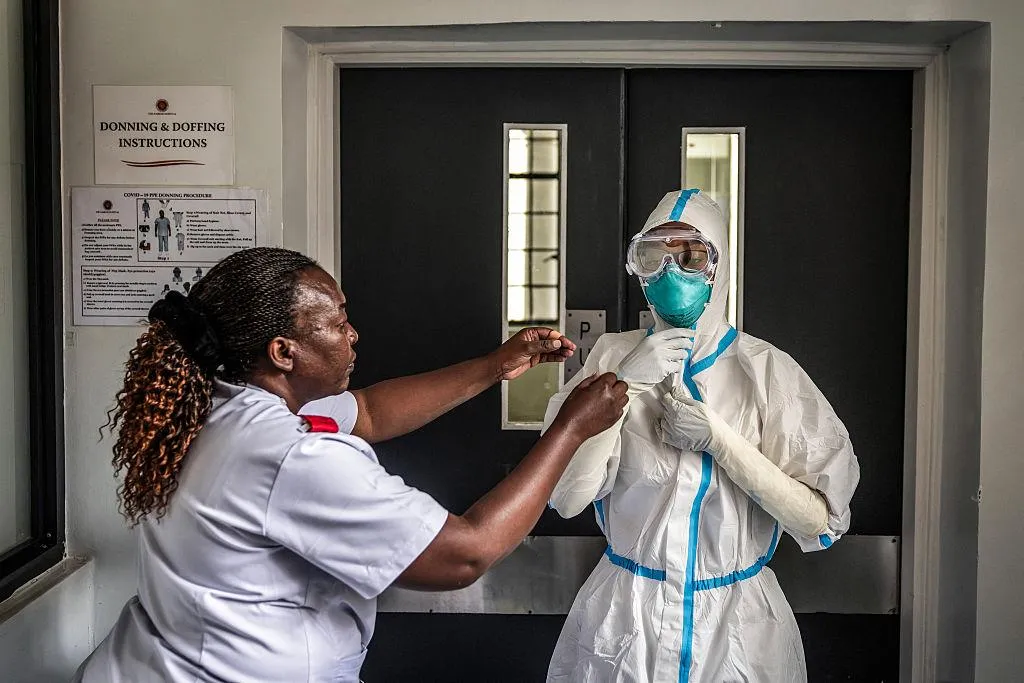
By October 18, Kenyan authorities had identified 130 close contacts of the first patient. 128 people were in quarantine, and two others were still being sought. Among those infected were relatives of the first patient and healthcare workers.
This indicates that the virus was spreading within the country, but the known cases were linked to a specific chain of contacts. Kenyan health authorities reported no signs of widespread transmission among the general population outside of the identified contacts.
Authorities have stepped up medical screening at border crossings, organized additional monitoring of travelers, and set up a hotline for people who may have come into contact with infected individuals or are experiencing suspicious symptoms.
For epidemiologists, the most important factor is whether all new cases can be detected in a timely manner. If infected individuals are isolated and their contacts are monitored, the potential for further transmission of the virus is significantly limited.
Why the Virus Spread Beyond the DRC
The main reason for cross-border spread is the movement of people between countries where the epidemic is ongoing. Eastern DRC has active transportation, trade, and migration links with neighboring countries. Some residents cross borders in search of work, medical care, or to escape danger in their home areas.
The route taken by the first patient in Kenya illustrates how the infection can cross borders before a diagnosis is made. The man traveled from the DRC through Uganda and then flew to Nairobi. After he was hospitalized, medical professionals began identifying the people with whom he had come into contact during his travels and treatment.
Another factor is the situation in the DRC itself. Armed violence, population displacement, and the difficulty of accessing remote communities hinder the work of medical teams. Under such conditions, it is more difficult to identify new cases, conduct testing, and ensure comprehensive contact tracing.
The specific nature of the current pathogen poses an additional challenge. The Bundibugyo virus differs from the Ebola strain most commonly associated with previous major epidemics. There is currently no approved specific vaccine or treatment for it, although patients receive supportive care.
However, this does not mean that the infection cannot be controlled. Isolating patients, early diagnosis, contact tracing, personal protective equipment for healthcare workers, and the safe handling of the bodies of the deceased remain key tools for containing the outbreak.
Which African countries are at risk
The level of risk varies from country to country. The most significant factors are the presence of active transmission chains, shared borders with affected territories, the intensity of population movement, and the readiness of healthcare systems to respond to new cases.
The Democratic Republic of the Congo remains the epicenter of the epidemic. The significant number of infections and deaths, the spread to new provinces, and the challenges faced by healthcare workers are creating conditions for further transmission of the virus both within the country and beyond its borders.
Kenya already has confirmed cases of local transmission linked to the first imported case. Therefore, the authorities’ main task is to prevent the emergence of unconnected chains of transmission.
Uganda previously faced cases linked to the epidemic in the Democratic Republic of the Congo. The WHO declared the outbreak in the country over after 42 days had passed without any new confirmed cases of local transmission. However, its proximity to the DRC continues to pose a risk of re-importation of the infection.
The Central African Republic is drawing attention due to the geographical spread of the epidemic to North Ubangi—a province of the DRC that borders that country. The mere fact of a shared border does not mean that there are already confirmed cases there, but it makes border surveillance particularly important.
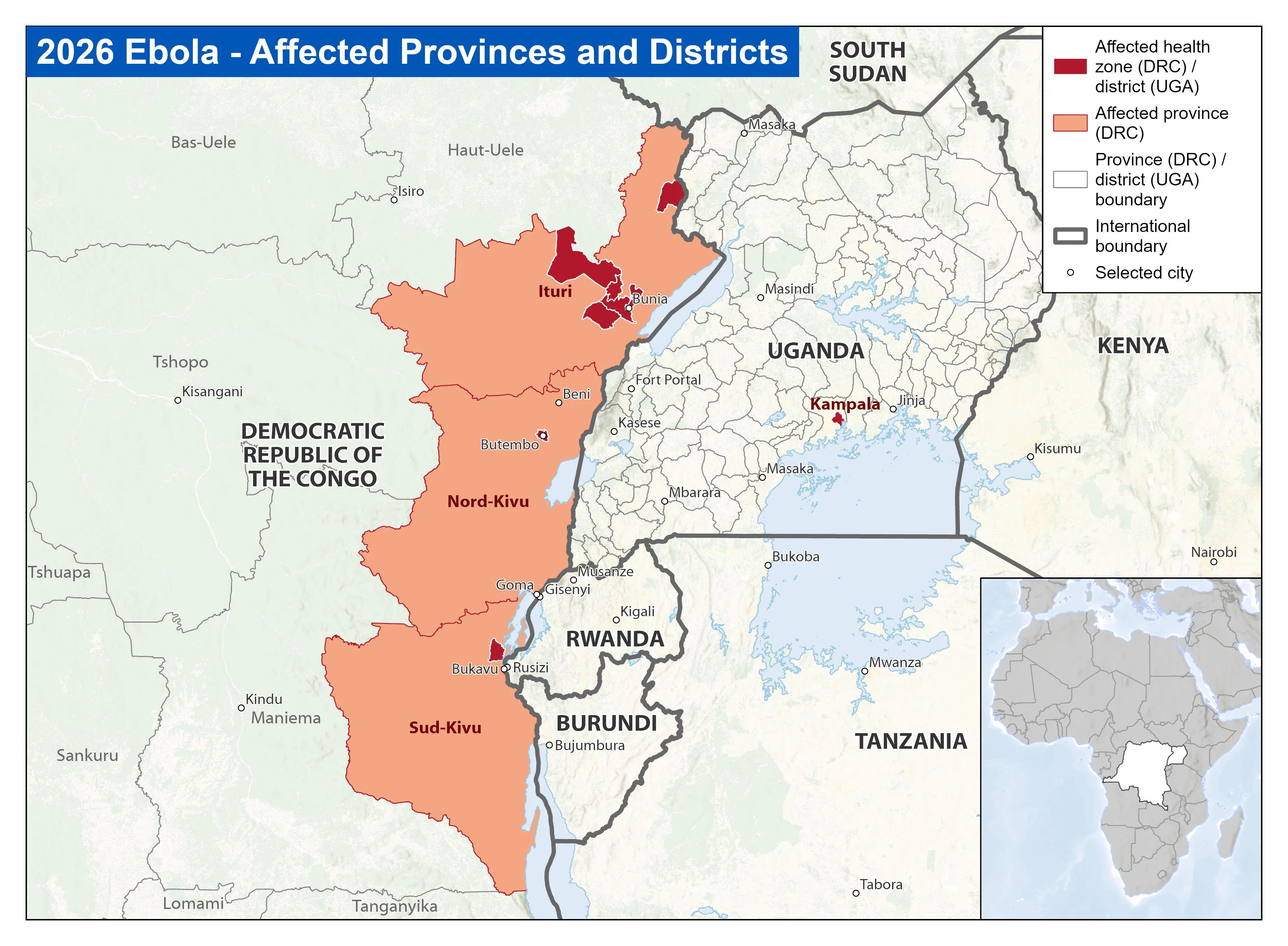
Other countries in the region must also consider the possibility of the virus being introduced. This applies primarily to countries with significant transportation flows and active ties to the DRC and Uganda. At the same time, it would be incorrect to place all African countries in the same risk category.
In its June 6 assessment, the WHO classified the risk for the DRC as very high, and for Uganda and countries sharing land borders with nations with confirmed cases as high. For the rest of Africa and the world at large, the risk was assessed as low. This assessment was made earlier, so it should be considered in light of the epidemic’s subsequent spread and new cases in Kenya.
How Medical Professionals Are Combating the Spread of Ebola

The WHO emphasizes that the speed of the response will determine whether new chains of transmission can be stopped. The organization’s Regional Director for Africa, Mohamed Janabi, commenting on the situation in Kenya, stated:
“The priority now is to act quickly to detect any further cases before the virus has a chance to spread.”
Janabi also noted that with swift and coordinated action, it is possible to prevent the virus from taking hold and to stop a larger outbreak from developing.
This approach explains why contact tracing is so important. In Kenya, a significant number of people who may have come into contact with the first patient have been identified and placed under observation. At the same time, the emergence of infected healthcare workers has shown that even hospitals require strict adherence to infection control procedures.
International experts also highlight humanitarian and security factors. The WHO and humanitarian organizations face difficulties accessing parts of the DRC where fighting and population displacement continue. Without safe access to communities, it is difficult to organize testing, isolation, and comprehensive contact tracing.
Thus, the danger lies not only in the nature of the virus but also in the ability of health systems to detect cases in a timely manner. Where health services have the necessary resources and the population cooperates with health professionals, transmission chains can be broken. In contrast, in areas with unstable security situations and limited access to medical care, the risk of prolonged spread increases.
Could Ebola Spread to Europe?
There have already been cases of the virus being imported into Europe during the current outbreak. In June 2026, a doctor who had returned from a humanitarian mission in the Democratic Republic of the Congo tested positive for Ebola in France. The patient was isolated, recovered, and no further spread of the infection was detected as a result of this case.
When an infected traveler is identified, European health authorities can isolate the patient, trace contacts, and monitor people who may have been exposed to the virus.
The European Centre for Disease Prevention and Control (ECDC) assesses the risk of infection for the population of the EU and the European Economic Area as low. In its updated report on the outbreak, the center emphasizes the need to consider the epidemiological situation, the potential for the virus to be introduced, and the readiness of health care systems.
The Ebola virus is not transmitted through the air like the flu or measles. Transmission occurs primarily through direct contact with the blood and other bodily fluids of an infected person, as well as with contaminated materials. Caring for patients without proper protection and contact with the body of a deceased person pose a particular risk.
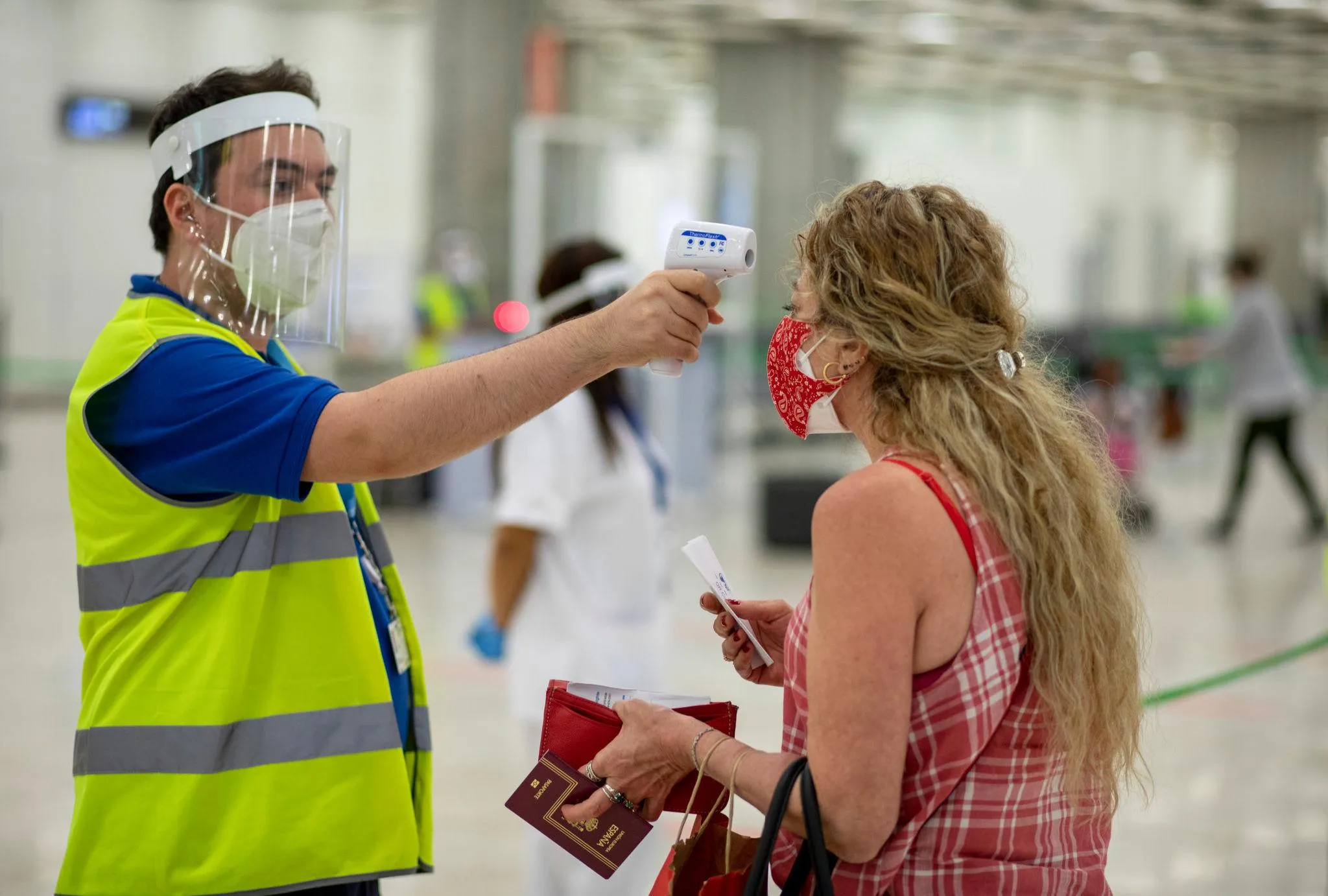
Therefore, even if an infected person arrives in a European country, this does not automatically mean that other passengers will be infected or that a widespread outbreak will occur. The risk depends on whether there was contact with bodily fluids, how quickly the patient was isolated, and whether all people who might have been infected were identified.
At the same time, new imported cases cannot be completely ruled out. International travel continues, and people may cross borders before a diagnosis is made. That is why European countries maintain their readiness to identify suspected cases and conduct epidemiological investigations.
Why the Current Outbreak Is Difficult to Contain

The current epidemic combines several problems at once: a large number of infected people in the DRC, the spread to new areas, cross-border movement of people, and the lack of an approved, specific vaccine against the Bundibugyo virus.
Trust in health services also plays a crucial role. If people hide their symptoms, avoid hospitals, or fail to report contact with infected individuals, the infection can spread unnoticed.
Another challenge is the strain on healthcare workers. The infection of staff who cared for the first patient in Kenya demonstrates how crucial it is to adhere to infection control protocols. Healthcare workers operate in an environment where even a single missed contact or a breach of safety protocols can lead to new cases.
For the international community, funding for epidemic control measures, the supply of protective equipment, laboratory testing, and support for local medical teams remain key priorities. Without these, even well-organized measures in individual cities cannot guarantee that the transmission of the virus will be stopped in other areas.
The immediate course of the situation will depend on whether the epidemic in the Democratic Republic of the Congo can be stabilized and whether new chains of transmission in Kenya can be prevented. Particular attention will be paid to new cases among close contacts, the results of testing people with suspected symptoms, and the geographic spread of the infection.
If authorities can quickly identify patients, isolate them, and complete contact tracing, the risk of a larger-scale outbreak can be reduced. However, if the virus continues to spread to new areas of the DRC and contact tracing remains incomplete, the threat to neighboring countries will grow.
For Europe, the main scenario at this time involves the possibility of isolated imported cases, rather than widespread local transmission. France’s experience has shown that rapid isolation and epidemiological investigation can prevent further transmission of the virus.




