
Eritrea is strengthening its strategic role amid tensions in the Horn of Africa
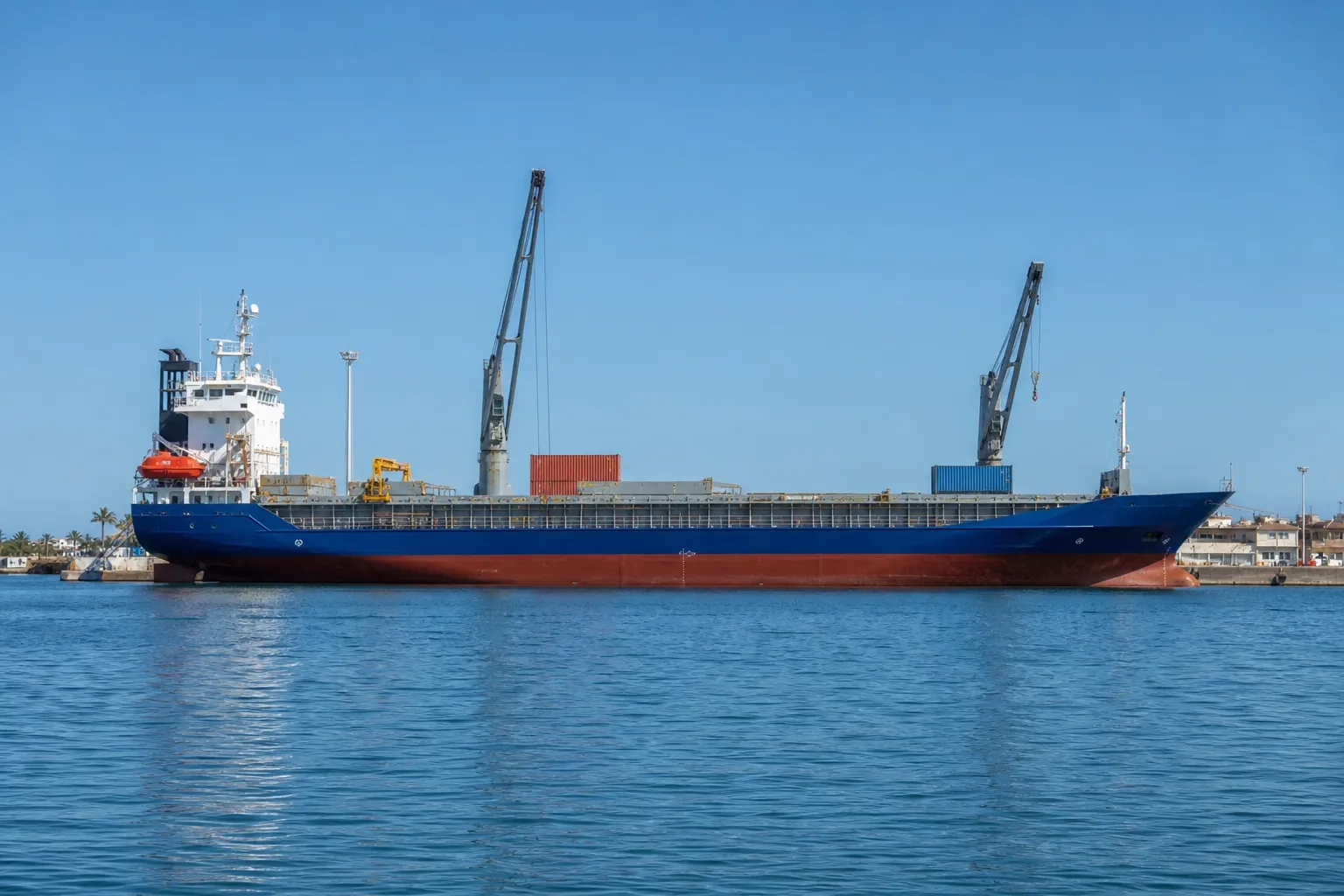
Eritrea is gaining greater strategic importance in the Horn of Africa thanks to its control over the ports of Assab and Massawa on the Red Sea and its extensive coastline near the Bab el-Mandeb Strait, according to Deutsche Welle. In July, diplomatic consultations were held in Cairo involving Egypt, Somalia, Eritrea, and a senior U.S. official to address security challenges in the Horn of Africa and the Red Sea, as well as trade development.
Eritrea’s coastline stretches for more than 1,000 kilometers. The country borders Sudan to the northwest and Djibouti to the southeast, while Yemen lies across the Red Sea. The narrowest part of the Bab el-Mandeb Strait is less than 30 kilometers wide. The Iran-backed Houthis attack merchant ships off the Yemeni coast, posing risks to maritime security.
Abdurahman Saeed, director of the London-based Horn of Africa Regional Integration Center, believes that Eritrea’s relative internal stability makes it an important partner for countries in the region, particularly Saudi Arabia and Egypt. At the same time, he cautioned that the country’s political system depends on a single person—President Isaias Afwerki, who has ruled Eritrea since its independence in 1993. No elections have been held in this one-party state since the country’s founding.
For more breaking news, follow the UA.News Telegram channel.
An additional factor is the tension in relations with Ethiopia, which, after Eritrea gained independence, lost its direct access to the sea and now depends on neighboring countries for maritime trade. For decades, Djibouti has remained Ethiopia’s most important port partner. Ethiopian Prime Minister Abiy Ahmed has been seeking sovereign access to the sea for several years.
Michael Wolde Mariam, a researcher at the University of Maryland and the Atlantic Council, stated that Asmera’s diplomatic contacts with Egypt, Somalia, the UAE armed forces, Saudi Arabia, Ethiopian opposition groups, and the United States should be viewed in the context of escalating tensions with Addis Ababa. In May 2026, Eritrea and Egypt signed an agreement on direct cargo shipping between the two countries’ ports on the Red Sea. DW also highlights the human rights situation in Eritrea: since the country’s founding, at least 700,000 people—roughly one-fifth of the population—have fled the country.


