
The EU is considering a temporary freeze on price caps for Russian oil — Bloomberg
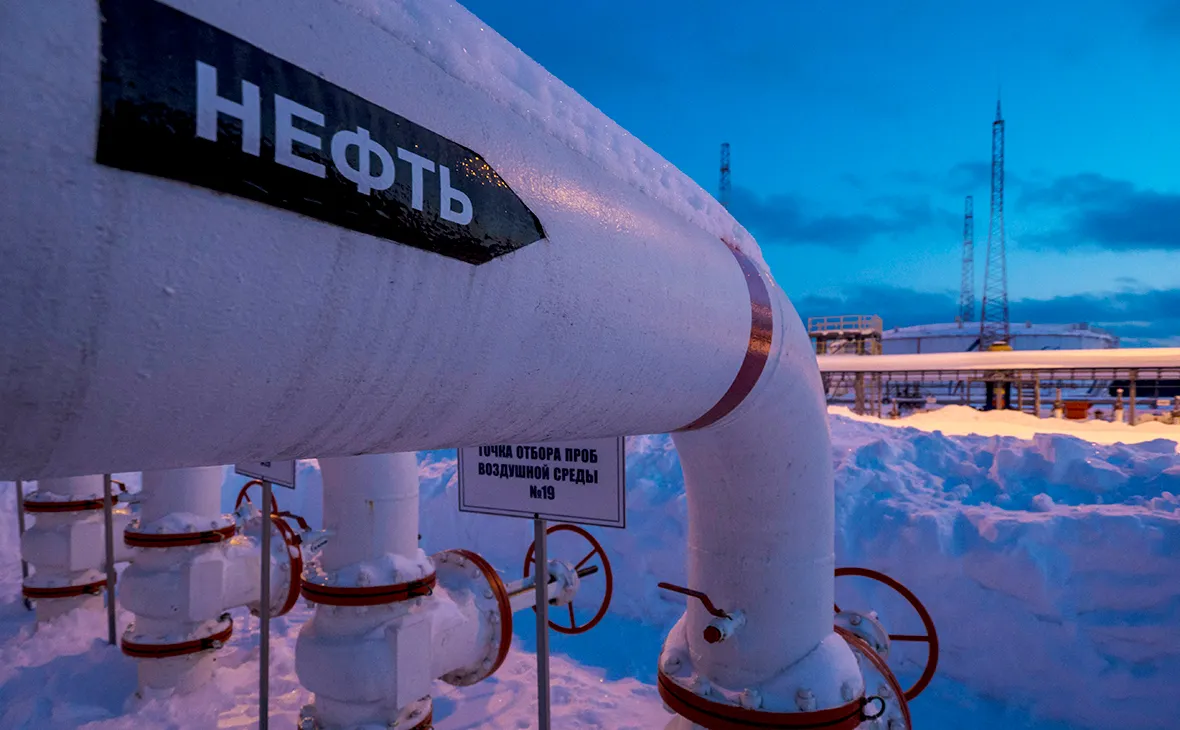
The European Union is considering a temporary suspension of the price cap on Russian oil amid the war in the Middle East.
This was reported to the authoritative news agency Bloomberg by anonymous sources who are well-informed about the current situation.
This move is a forced response by European leaders to the rapid shift in the global energy market.
Last year, the bloc’s member states approved a special dynamic mechanism to control the Kremlin’s revenues from energy exports.
It was intended to ensure that a price cap is automatically set every six months at 15% below the average market price for Russian Urals crude oil.
Currently, the price cap stands at $44.1 per barrel, and its next scheduled review is set to take place at the end of this summer.
Under the current rules governing this cap, European companies are strictly prohibited from providing strategic services such as insurance and maritime transport for crude oil sold at a price above the established threshold.
However, global oil prices have skyrocketed due to the war in Iran and the de facto closure of shipping in the Strait of Hormuz.
As a result, during the next review of the cap in July, the level is likely to rise to at least $65, exceeding the previous $60 threshold set jointly by the G7 countries.
The freeze proposed by the allies is designed to effectively keep the current price cap at its current low level.
In addition, European diplomats are currently actively discussing several other alternative options for responding to the energy crisis.
Other options under consideration include suspending the dynamic and automatic increase until the end of the year in light of the exceptional circumstances in the Middle East, or capping any increase at $60 in line with the G7 level, informed sources noted.
Oil prices have plummeted amid a possible breakthrough in U.S.-Iran negotiations
The market expects oil prices to rise to $100 per barrel, according to Bloomberg.
Global oil prices rose during trading on Thursday, May 21, partially offsetting the sharp drop of the previous day.
Russian oil is up again, shifting the balance of the Russian Federation’s revenues
Oil prices rose amid expectations of a meeting between Donald Trump and Xi Jinping. Traders are focusing on possible signals regarding a resolution to the conflict with Iran, which has affected global oil supplies.


