
The Philippines is in the midst of a garbage crisis: authorities are sounding the alarm
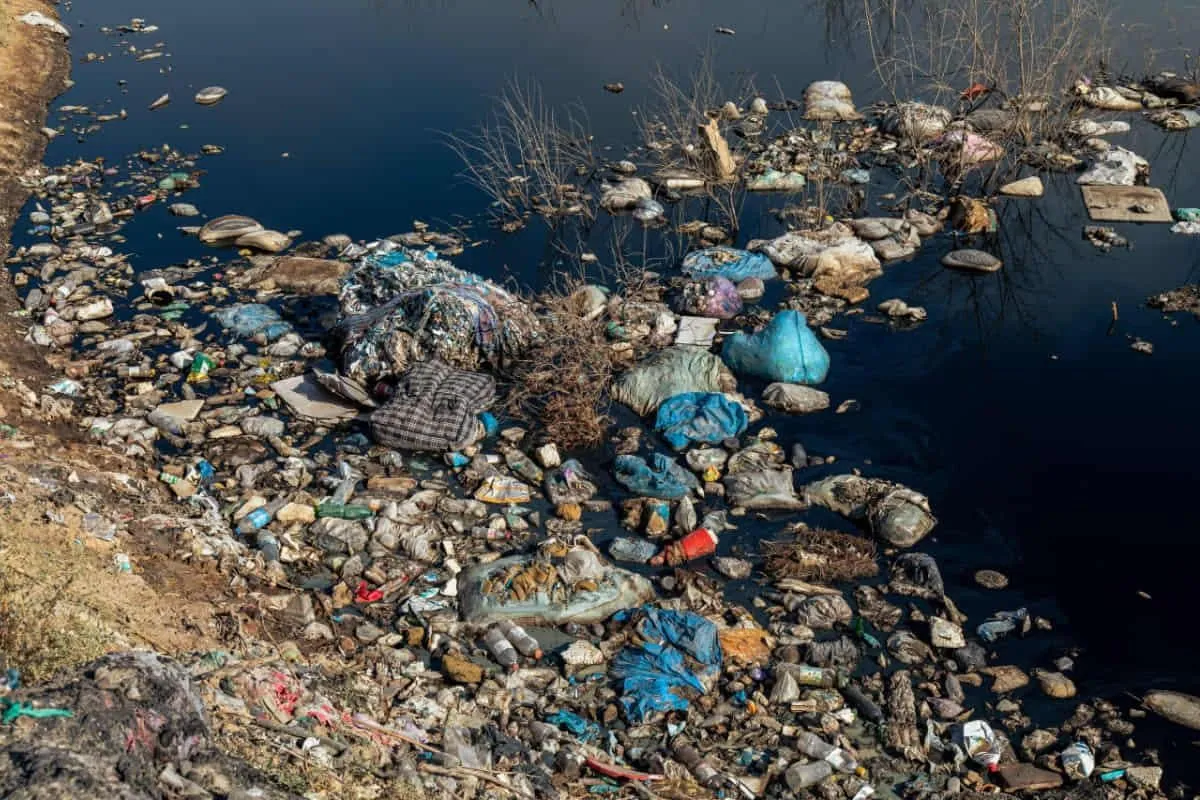
A critical situation has developed in the Manila metropolitan area in the Philippines due to massive amounts of trash in the waterways. President Ferdinand Marcos Jr. stated that the waste is clogging canals and pumping stations and exacerbating the flooding situation.
According to local authorities, 72 truckloads of trash have been removed from a single canal in Paranaque over the past three days. Experts emphasize that the blockages are hindering the normal operation of the drainage system during heavy rains.
Huge volumes of waste have blocked waterways, exacerbated the effects of flooding, and disrupted the operation of critical drainage infrastructure.
Marcos inspected cleanup and trash collection efforts near the Diokno Pumping Station on José V. Diokno North Boulevard in Pasay City. A large amount of waste has accumulated right near the station, the agency reports.
“Just look at this. Doesn’t this seem like a critical situation to you? It seems that way to me. I wouldn’t call it a trash crisis, but this is exactly the problem we’re facing right now,” Marcos told reporters when asked whether the situation could be called a “trash crisis.”
At the same time, Public Works Minister Vince Dizon, who accompanied the president during the inspection, called the situation a “garbage crisis.” According to him, the waste has blocked key waterways in the metropolitan area, causing the flooding to become even more severe amid several days of continuous heavy rain brought on by the intensified southwest monsoon, known as “habagat.”
Trash is blocking pumping stations
The president noted that the accumulation of waste directly affects the operation of flood protection systems. Trash enters waterways and very quickly clogs pumping stations as soon as water begins to flow through them.
“You can really see just how big the trash problem is,” Marcos said.
According to him, the Diokno pumping station was built many years ago, but it had not actually been in operation until it was put into service during last year’s typhoon season.
“But as you can see, if we don’t clean all of this up, the pumping station gets clogged immediately—and this is just how much trash ends up there,” the president explained.
Marcos noted that a significant portion of the waste does not come from the surrounding area but is carried in from Manila Bay. Tides and floodwaters contribute to its accumulation near the pumping station.
The government is trying to remove trash from the water before it reaches the pumping station. This is necessary to ensure that the critically important drainage infrastructure can continue to function.
The canals are being dredged, but the problem remains
According to Marcos, the situation demonstrates that, alongside dredging and other flood-control measures, the problem of improper waste management must be addressed.
As part of the larger Oplan Kontra Baha program, aimed at improving water flow and reducing flood risk, authorities are working to clean and deepen riverbeds, canals, and estuaries—waterways in densely populated areas.
However, the president emphasized that even recently cleared waterways can quickly become clogged again if trash continues to enter the drainage system. He also reiterated his support for implementing a program to convert waste into energy. According to Marcos, this could provide a long-term solution to the problem of rising waste volumes in the country while also reducing the amount of waste sent to landfills.
The Philippines Wants to Generate Electricity from Waste
The president announced that the technical aspects of the waste-to-energy program have already been finalized. The government is now working on a mechanism to engage local authorities, identify sites for the construction of relevant facilities, and procure electricity generated from waste.
According to Marcos, the government is already moving toward holding an auction for the electricity that these facilities will generate. The first results could be seen within a year to a year and a half.
“As for the technical side, it has already been completed. Now we’re trying to set up the entire system: what it will look like, what the relationship between local authorities and waste-to-energy plants will be, where they will be located, and which specific company or group of companies will be responsible for this,” Marcos said.
He added that sites for such facilities have already been identified, and an auction is planned for the coming months to determine how much electricity will be sold to the Ministry of Energy and at what price.
“This is a new system that we really need to start implementing,” the president emphasized.
Marcos also stated that the government will continue to tackle flooding in a comprehensive manner, as conditions vary across different regions of the country, and therefore there is no single, universal solution.
“We will continue to work on reducing the scale of flooding not only in Metro Manila but throughout the Philippines. The solutions must vary, as the problems are not the same everywhere,” the president said.
This was reported by the Philippine News Agency.
A garbage crisis has erupted in the Russian city of Kaspiysk due to a breakdown of garbage trucks.


