
VLCC freight rates rise 807% amid disruptions in the Strait of Hormuz — Cyprus Mail
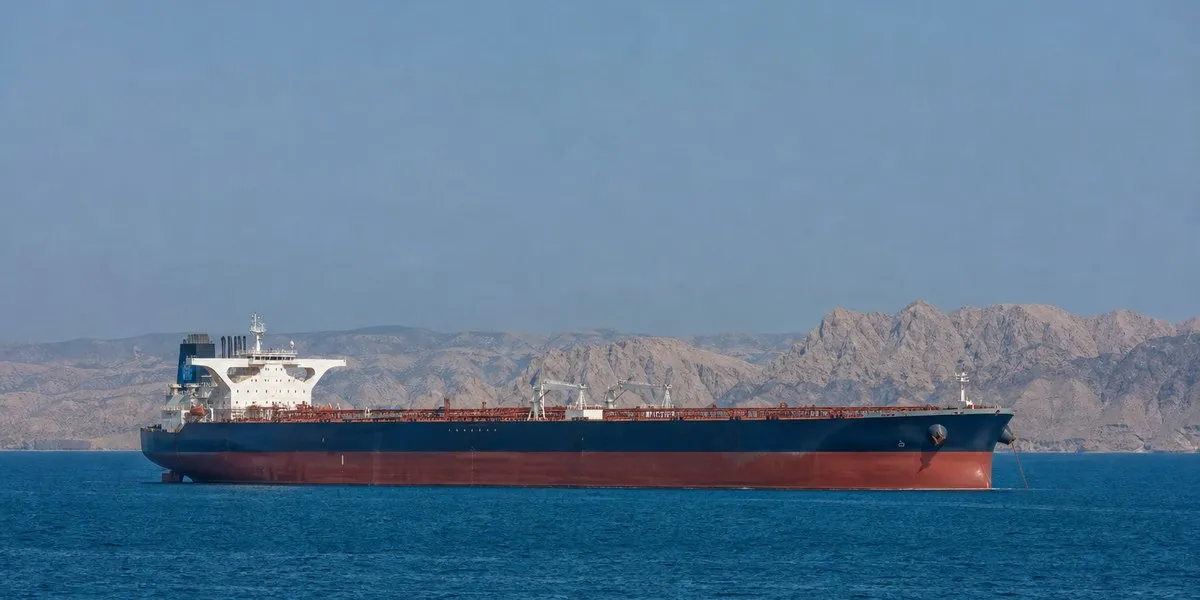
Amid tensions around Iran and disruptions to shipping through the Strait of Hormuz, daily freight rates for very large crude carriers (VLCCs) rose by 807.1% over the year, to $722,946 as of September 18. In mid-September 2025, the corresponding figure was $79,700 per day, Cyprus Mail reports, citing Baltic Exchange data and Xclusiv Shipbrokers analysis.
Sharp rise in rates
According to the Baltic Exchange, the average rate on the VLCC market was about $198,000 per day in July, rose to $272,000 in August, and reached nearly $449,000 in the first half of September. Tensions around Iran and disruptions to shipping through the Strait of Hormuz, according to Xclusiv's assessment, increased war risks and reduced the number of vessels available for commercial transportation.
Route changes, longer voyages, and the search for oil in alternative regions also increased demand for transportation in tonne-miles. Transporting the same volume of oil requires more days at sea, effectively reducing the available number of VLCC tankers and supporting higher freight rates.
More current news is available on the UA.News Telegram channel Telegram.
Used tankers are also becoming more expensive
The rise in freight rates has affected tanker prices on the secondary market. From July 10 to September 18, the price of a five-year-old VLCC increased from approximately $145 million to $172 million, or by 18.6%. The value of 10-year-old vessels rose from $115 million to $152 million, while that of 15-year-old vessels increased from $83.5 million to $135 million, or nearly 62%. The resale value of younger vessels rose from approximately $175 million to $193 million.
From the beginning of 2026 through September 14, 103 VLCC sale transactions were concluded. The largest number of transactions took place in January, with 38, and February, with 27; 10 sales were recorded in August, and another nine by mid-September. Of the vessels sold, 43 were between 11 and 15 years old, while another 32 were between 16 and 20 years old. In September, the average age of tankers that changed owners reached about 18 years, compared with 13.6 years in August.
Xclusiv notes that high freight earnings enable even old vessels to quickly generate significant cash flows, while lengthy construction times for new tankers direct demand toward the existing fleet. At the same time, the company warned that de-escalation of tensions around Iran and the restoration of normal shipping could lead to a correction in rates and vessel values.




