
Head of Dutch Jewish community reports pressure after import ban — Jerusalem Post
In the Netherlands, the president of the country’s Jewish Communities (NIK), Yigal Markushower, said pressure on Jews and tourists from Israel had intensified after the government introduced a ban on importing Jewish-produced goods from the West Bank, East Jerusalem and the Golan Heights. He said this in an interview with the Jerusalem Post.
According to the publication, the ban also applies to goods that are only partially produced in these areas. An example cited is a product with one ingredient originating from settlements, even if the main part of the product was made, in particular, in Tel Aviv.
Airport checks
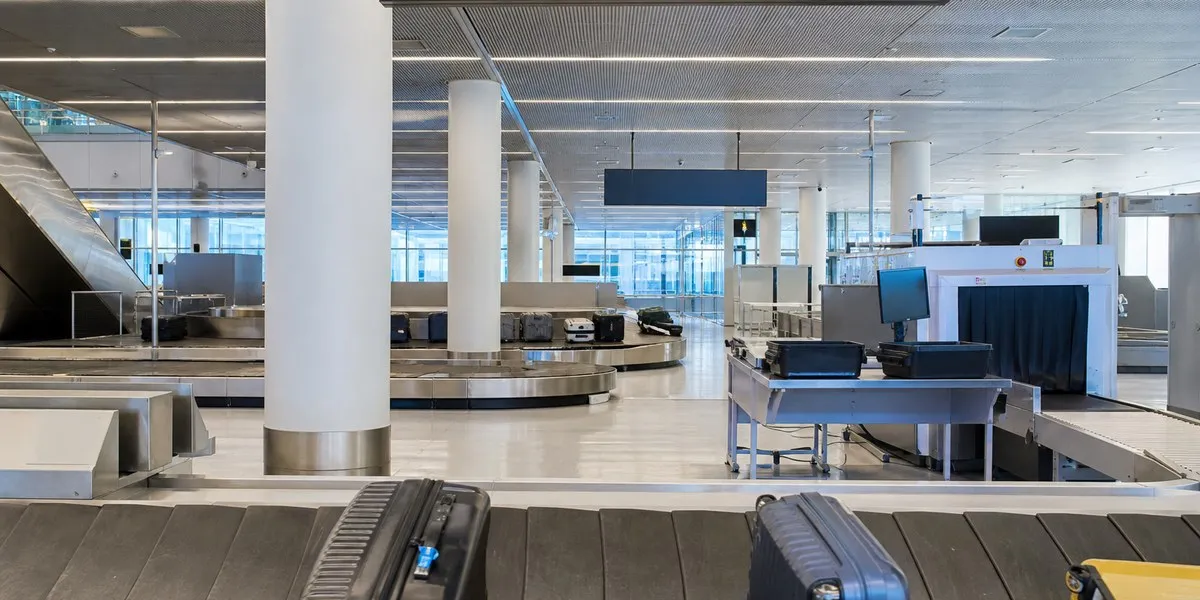
The decision caused a diplomatic scandal, and Israelis reported thorough baggage checks at Schiphol Airport. Markushower acknowledged that not all passengers are checked and that standard screening measures are necessary, but considers the selective attention toward Israelis part of a broader problem.
More current news is available on the UA.News Telegram channel Telegram.
According to him, Jewish children had previously been refused the rental of a hall for an event where they planned to display the Israeli flag. He also said that the Dutch government currently does not support the Jewish community and that, in his assessment, the majority does not stand on its side.
Statements about the situation at universities
The head of NIK noted that, in his assessment, between 35% and 40% of Jews living in the Netherlands are Israelis. He also mentioned an incident at Maastricht University, where a 22-year-old Palestinian student from the Gaza Strip was temporarily suspended following an Instagram video. In the recording, the student said that he had participated in the Hamas attack on Israel on October 7, 2023.
The publication stresses that the student’s participation in the attack has not been confirmed. Markushower said that such cases and, in his words, an approving attitude toward terrorism against Israel complicate the situation for Jewish students. He also drew a parallel between the gradual restrictions on Jews in the Netherlands and Germany’s policies in the 1930s, while cautioning that he does not consider the situations identical.




