
British Foreign Secretary: We need an open Strait of Hormuz
Britain has called on Iran to fully reopen the Strait of Hormuz and restore international shipping, which has been operating intermittently since the situation escalated. London emphasizes that this issue has gone beyond the scope of regional politics and is directly affecting the global economy. London also stated that the ceasefire between the U.S. and Iran must yet evolve into a stable peace. The head of the British Foreign Office made this remark in a comment to Reuters.
The situation around the Strait of Hormuz remains unstable despite the current ceasefire between the US and Iran, and international shipping has not yet returned to normal, which is already causing concern in major world capitals. London is making it clear that restoring traffic through this strategic waterway is critically important for the global economy and energy markets.
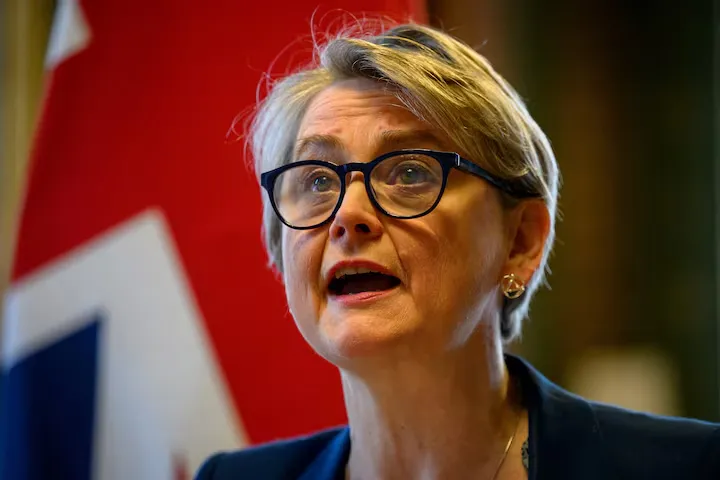
British Foreign Secretary Yvette Cooper emphasized that the de-escalation process is far from complete and requires concrete steps from all parties, particularly Iran, which must ensure the safe passage of ships. “We are at a critical stage of diplomatic negotiations, where the ceasefire has already taken effect, but normal shipping through the strait has not yet resumed,” she noted in a comment to Reuters.
Cooper emphasized that the Strait of Hormuz must remain open to international traffic, as any restrictions would immediately impact global markets and create additional economic strain in various regions. “We need the Strait of Hormuz to be open, as this will help all our economies around the world, which are currently being held hostage,” she said.
According to her, more than 50 countries have already supported efforts to ensure freedom of navigation, and some states are ready to join maritime security missions, including mine clearance and patrolling the waters once the situation stabilizes. At the same time, the British minister noted that the transition from a ceasefire to a full-fledged settlement will require significant diplomatic efforts and clear coordination among all participants in the process.
Additionally, Iran has once again restricted ship traffic through the Strait of Hormuz following the conflict with the U.S. Tehran claims this is a response to Washington’s actions. The situation in the region is escalating again.
Additionally, U.S. President Donald Trump stated that Chinese leader Xi Jinping is allegedly “very pleased” with the situation surrounding the Strait of Hormuz, which he described as “open or rapidly opening.”
Prior to this, Iran announced new rules for the passage of ships through the Strait of Hormuz, which is one of the world’s key oil supply routes. Now, commercial vessels will be able to navigate only with permission from the Islamic Revolutionary Guard Corps Navy.
The U.S. is calling on G20 countries, as well as the IMF and the World Bank, to intervene urgently to avoid a fertilizer shortage. Due to the war in the Middle East, supplies have been disrupted precisely during the key planting season.
Global oil prices also fell by about 5% following news of a possible agreement between the U.S. and Iran. Investors reacted to Donald Trump’s statement that a deal is imminent and began pricing in a reduction in market tensions.
Airlines are warning that flight cancellations could begin in Europe as early as late May due to a shortage of jet fuel. The industry is asking governments to prepare a clear action plan in advance in case supplies need to be restricted.
Also, the Pakistani tanker Shalamar became the first vessel to pass through the Strait of Hormuz carrying crude oil since the U.S. blockade began on April 13.
Iran announced the opening of the Strait of Hormuz to commercial shipping for the duration of the ceasefire in Lebanon.
Iran estimates the damage from US and Israeli bombings at $270 billion and is demanding compensation from five Arab countries
Iran promises to respond to the blockade of its ports by closing the Red Sea.


