
Iran is prepared to transfer some of its enriched uranium to a third country as part of an agreement with the United States
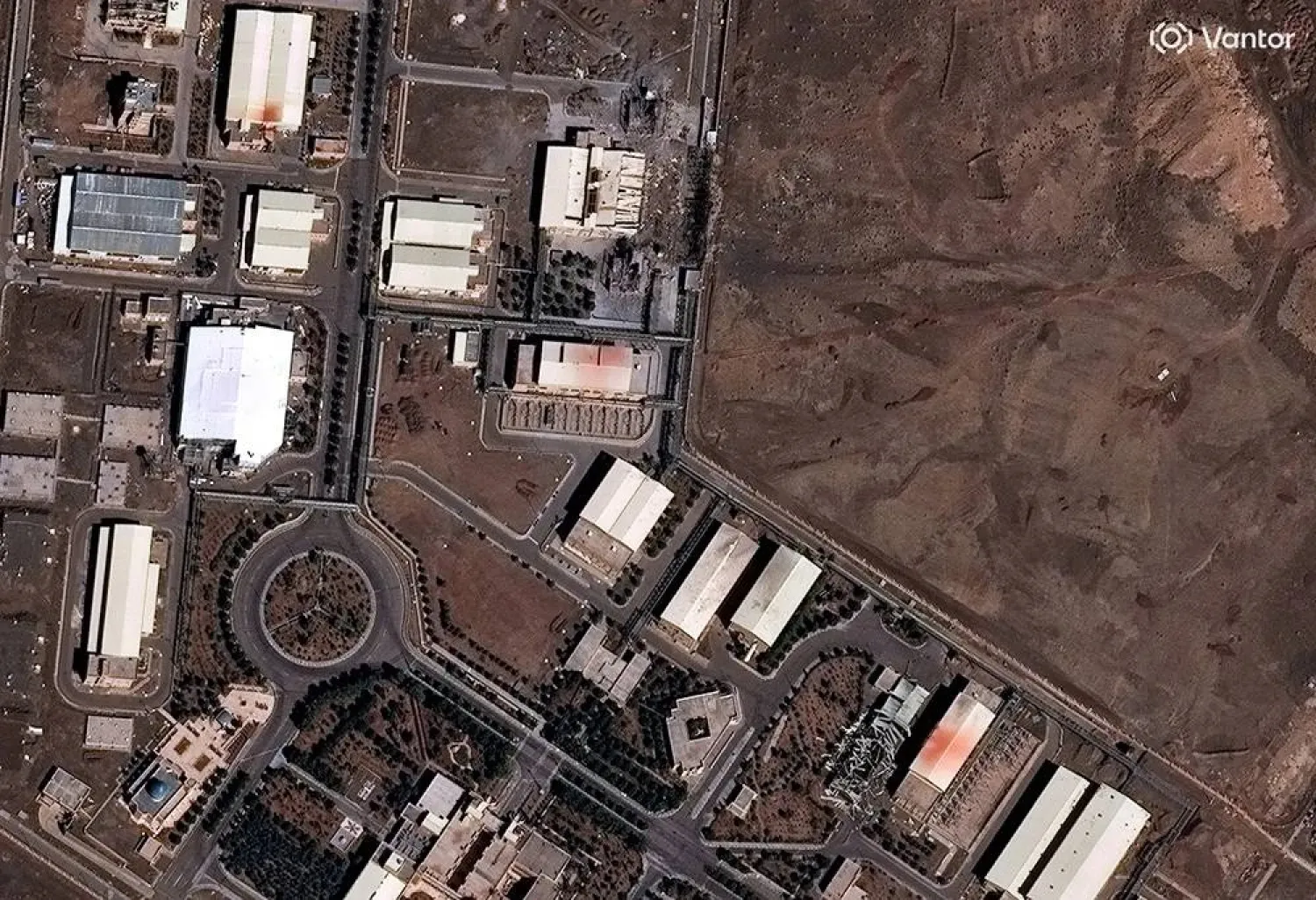
Iran has agreed to transfer part of its stockpile of enriched uranium to a third country as part of a potential new nuclear agreement with the United States.
According to available information, Tehran has already informed Pakistan of its readiness to transport part of its stockpiled uranium to a country agreed upon by all parties to the future agreement.
This step is seen as one of the possible mechanisms for resolving disputes surrounding Iran’s nuclear program and reducing tensions between Iran and the West.
Officially, the country that could receive or control the uranium stockpiles has not yet been determined. At the same time, China is mentioned among the possible options.
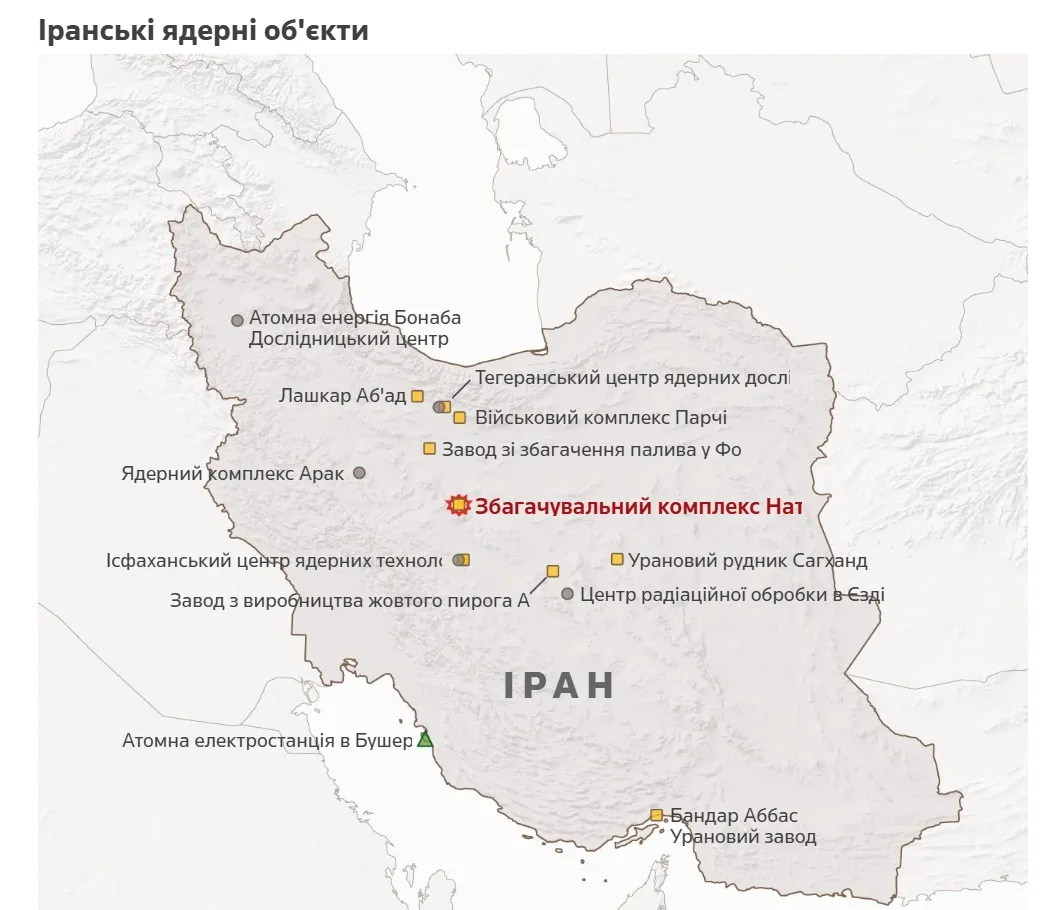
The volume of material that could be transferred out of Iran in the event of a final agreement also remains unknown.
Negotiations between Washington and Tehran on a new nuclear agreement have been ongoing for several months, with the mediation of regional countries. One of the key demands of Western countries remains the reduction of highly enriched uranium stocks and the strengthening of international oversight of Iran’s nuclear program.
At the same time, Tehran insists on its right to develop peaceful nuclear technologies and has repeatedly stated that it has no intention of abandoning its nuclear program.
In late May, Iranian sources denied the possibility of transferring stocks of highly enriched uranium abroad. Therefore, if this new information is confirmed, it could mark one of Iran’s biggest concessions in recent years and significantly bring the conclusion of a new nuclear agreement with the U.S. closer.
There is currently no official confirmation of this information from Iran, Pakistan, or the IAEA.
Source: Al Arabiya.
Earlier, Iran launched a missile strike on the Ali Al-Salem Air Base in Kuwait, where U.S. military personnel and contractors were stationed. The attack resulted in minor injuries and damaged U.S. drones. The incident occurred amid U.S. efforts to negotiate an extension of the ceasefire with Tehran.
U.S. Secretary of State Marco Rubio stated that Iran’s Supreme Leader Mojtaba Khamenei is alive and continues to interact with his inner circle, though he does so cautiously and primarily through written messages and intermediaries. Officials in Washington note that his activity has been increasing recently.


