
Iran Is Preparing for a New Escalation of the War — WSJ
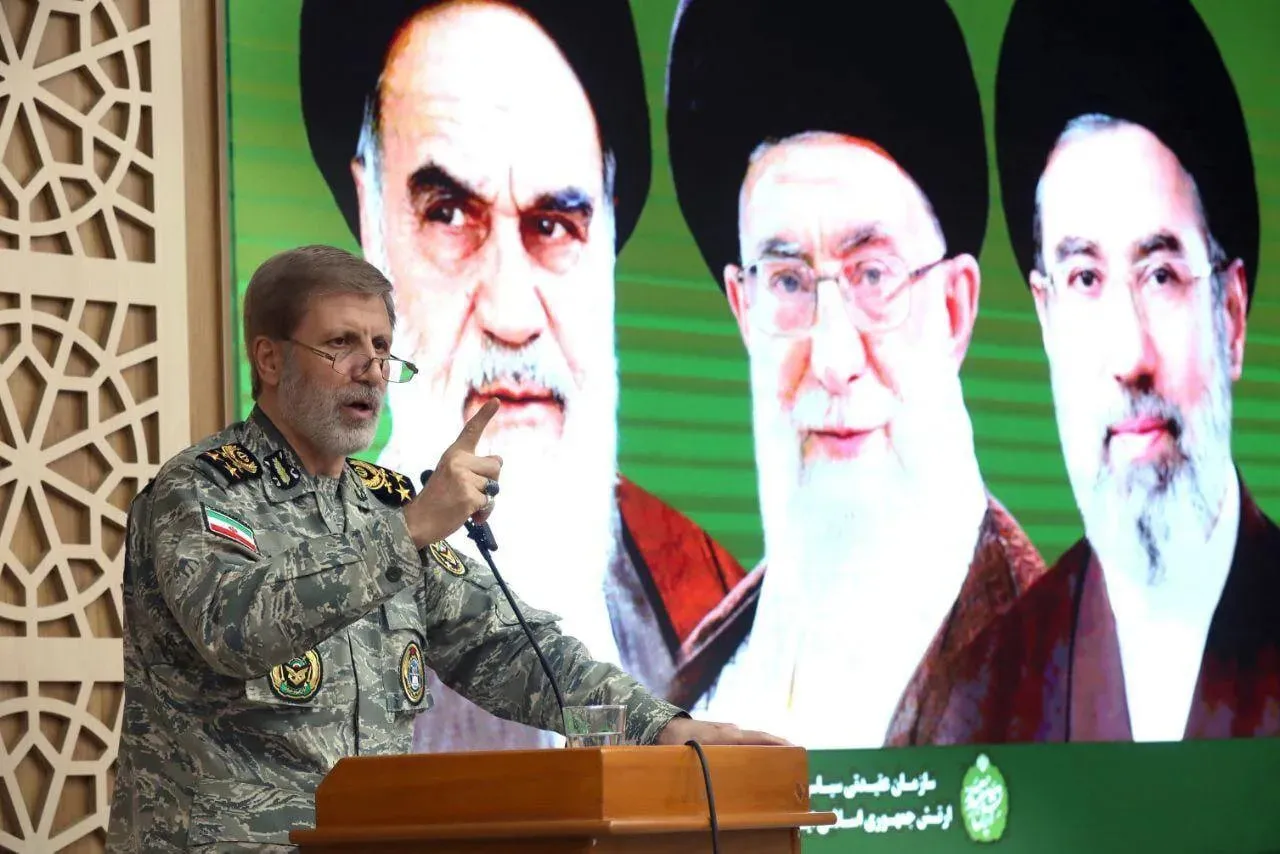
Hardline Iranian leaders may have developed a plan to prepare for a new phase of the war. According to The Wall Street Journal, Tehran is tightening its control over the military, increasing the production of missiles and drones, and attempting to expand the conflict zone.
The Wall Street Journal reports that a strategic shift has taken place within the Iranian leadership. According to the publication, hardliners do not view negotiations with the U.S. as a path to ending the conflict. Instead, they are preparing for a possible new escalation. As the WSJ notes, this is evidenced by intercepted communications and other intelligence data collected by Arab intelligence agencies.
According to the publication’s sources, Iranian leaders met in Tehran and developed their own plan of action. They reportedly believe that agreements with the U.S. and Israel may have been merely a way to ease economic pressure and buy time to prepare a new attack. “Instead of placing their faith in negotiations, they have spent the last two months preparing for a bigger battle,” writes The Wall Street Journal, citing Iranian and Arab officials.
The Revolutionary Guards Are Gaining More Influence
According to the WSJ, one of Tehran’s key moves has been to strengthen the role of the Islamic Revolutionary Guard Corps. This organization, which wields significant influence over Iran’s politics and security apparatus, is reportedly gaining more control over the country’s regular army.
Veterans of the Iran-Iraq War and individuals with experience in internal repression are also being appointed to key positions. At the same time, Iran is expanding its counterintelligence operations within the country. This involves tightening control over potential opponents and identifying channels through which foreign states might obtain information about Iranian military plans.
Tehran Is Scaling Up Missile and Drone Production
Another area of focus has been increasing the production of missiles and drones. According to the publication, Iran has been using recent months to restore and expand its military capabilities.
At the same time, Tehran is attempting to strengthen its position in the region. Specifically, this involves actions around the Strait of Hormuz—one of the most critical routes for global oil shipments. Iran has already attacked ships in this area. According to the WSJ, such actions may be part of an effort to tighten control over the strait and raise the cost of confrontation for the U.S. and its allies.
The war could spread beyond the Persian Gulf
According to the American publication, Iran is also trying to expand the scope of a potential conflict. In particular, Tehran may make more active use of its allies and affiliated armed groups in Yemen and Iraq. Intelligence agencies in Arab countries, the WSJ reports, have obtained information about communications between Iran and these groups. According to the publication’s sources, this information points to preparations for a possible expansion of the war.
The Red Sea is of particular concern. Saudi Arabia has used this route to circumvent its dependence on the Persian Gulf, where Iran wields significant influence. Therefore, an expansion of hostilities toward the Red Sea could create additional problems for countries in the region and for international shipping.
Gulf States Fear a New Strike
Iran’s shift in rhetoric is already causing concern among neighboring states. “Iranian leaders are increasingly talking about offensive operations on enemy territory,” notes The Wall Street Journal.
This is of particular concern to the smaller Gulf states, which have significantly fewer military capabilities compared to Iran. Among them, the publication mentions Kuwait. For such countries, a new wave of escalation could mean not only an immediate military threat but also risks to their economies, energy sectors, and shipping.
What Lies Behind Iran’s New Strategy
According to the WSJ, Iranian leadership is increasingly coming to the conclusion that the country needs to prepare not for a swift end to the conflict, but for a new phase of it. That is precisely why Tehran is simultaneously tightening military control, developing its missile and drone programs, expanding counterintelligence efforts, and intensifying contacts with allied groups.
It should be noted, however, that this is based specifically on intelligence data and assessments from sources cited by The Wall Street Journal. This does not mean that a new large-scale operation by Iran is already inevitable. However, if the publication’s assessments are correct, Tehran is preparing for a protracted confrontation and seeks to make it as costly as possible for the U.S. and its partners in the region. This is reported by The Wall Street Journal.
The memorandum of understanding between the U.S. and Iran, intended to halt hostilities, expires on Monday, August 17. There are no signs that the parties are willing to extend the agreement: Washington and Tehran have been accusing each other of violating it for several weeks.




