
Jerusalem Post: desalination plant shutdown exposed Israel’s infrastructure vulnerability
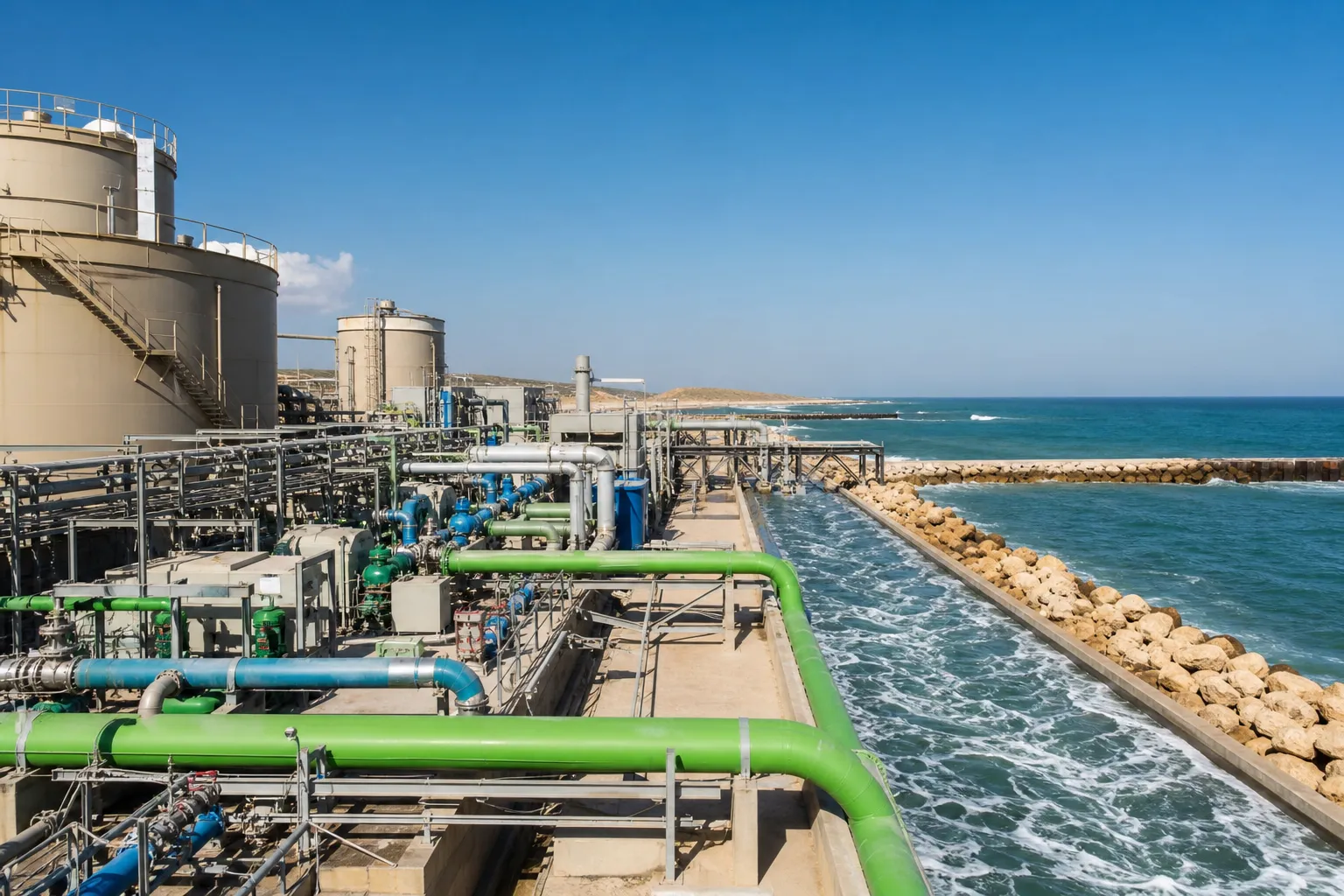
In Israel, five major desalination plants on the Mediterranean coast temporarily stopped operating this week because of exceptionally high seawater turbidity. Water supplies to households were not interrupted, but municipalities were instructed to reduce non-essential consumption, while agricultural water deliveries were temporarily suspended in parts of the country.
As the Jerusalem Post reports in an editorial, the turbidity was likely caused by microalgae carried north from the Nile Delta area. Some facilities later resumed operations, but as of Wednesday, three plants remained shut down. Farmers in the Negev warned that crops at the height of the growing season could suffer irreversible losses after just one day without water.
Dependence on large plants
Uninterrupted water supplies to residential buildings demonstrated the system’s resilience, the publication notes. At the same time, the incident exposed the dependence of a significant part of the country on a small number of large desalination facilities. Their operation requires suitable seawater, electricity and functioning pumping infrastructure, while a single natural factor was able to affect several sites simultaneously.
Researchers from Ben-Gurion University of the Negev and the Max Planck Institutes modeled scenarios in a preprint in which drought, power outages, war, cyberattacks and sea pollution could occur simultaneously. The work has not yet undergone peer review.
More current news is available on the UA.News Telegram channel Telegram.
Civil preparedness
The article also cites findings from recent reports by Israel’s state comptroller. In January, the comptroller found that one-third of Israelis lack adequate access to standard protected spaces, while 12% of public shelters are unfit for use. A February inspection indicated that emergency planning in the electricity sector had not kept pace with changes in the industry, while responsibility for critical diesel fuel reserves remained unresolved.
A separate report released last October found that there was no single body overseeing the entire food security system in emergencies, nor a long-term national strategy. Another February audit found that before the events of October 7, Israel had no approved operational plan for the mass evacuation of civilians. As a result, local authorities had to improvise while relocating around 210,000 residents.
Israel’s Ministry of Energy and Infrastructure reported on a 1 billion shekel program launched during the war to strengthen infrastructure and emergency reserves. The Jerusalem Post editorial board believes that ahead of the October 27 elections, political forces should explain who will bear responsibility for civil preparedness, which shortcomings have already been addressed and how weaker municipalities will be supported.


