
Indigenous fathers in Australia speak about stereotypes of fatherhood
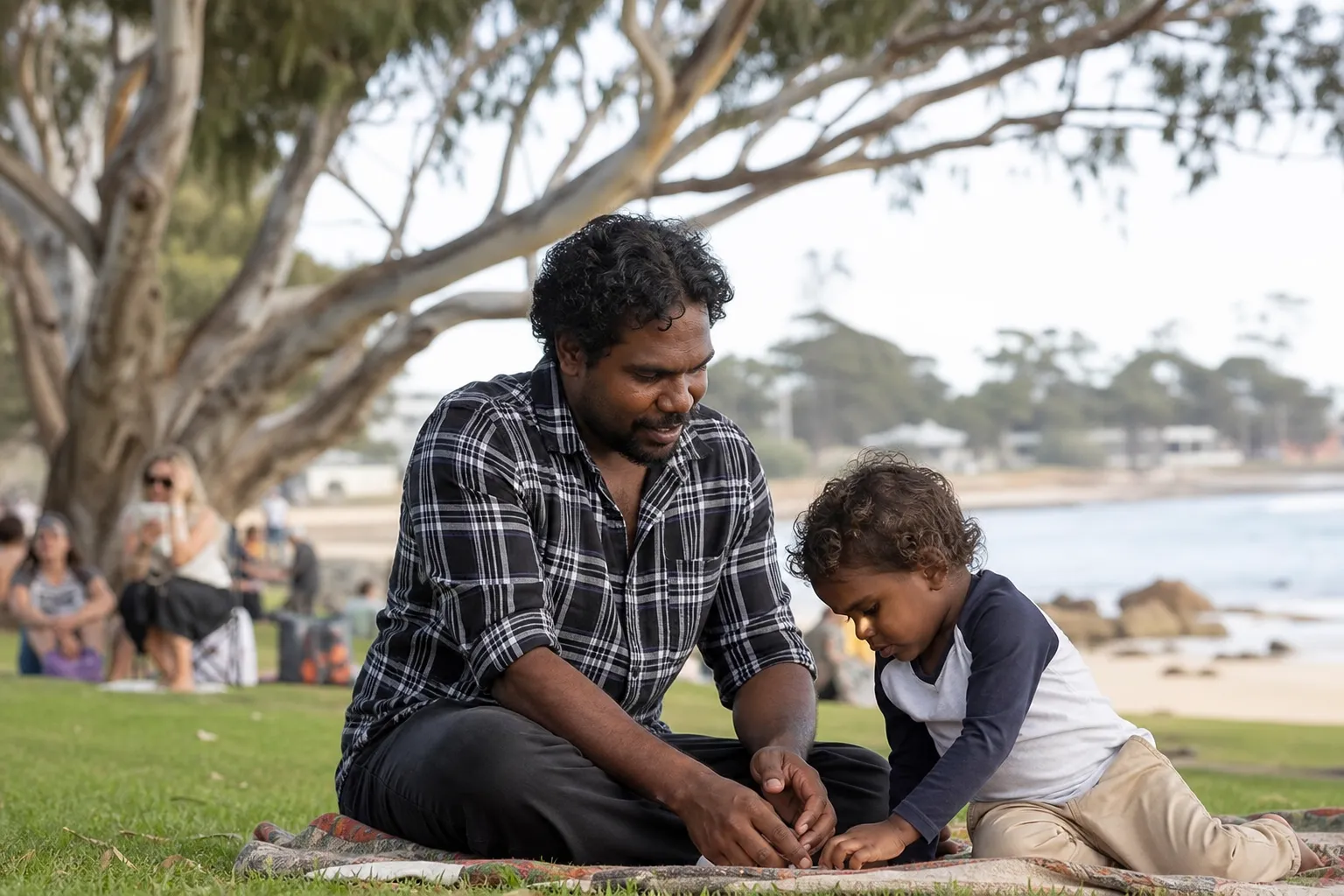
In Australia, Indigenous fathers say they still face stereotypes portraying them as absent, irresponsible or dangerous dads. They stress the importance of recognising fathers’ contributions to raising children and passing culture on to future generations. ABC News Australia reports this ahead of Father’s Day.
Consequences of stereotypes
Author and Kalkalgal man Thomas Mayo said negative perceptions of Aboriginal fathers had been spread for years, including through the media and racist cartoons. In his view, the 2007 intervention in the Northern Territory intensified the nationwide stigmatisation of Indigenous men.
Mayo, who was raising three young children at the time, said he felt he was treated with suspicion in public places when he was with them. He later became a single father and was granted full custody of the children when they were four, six and seven years old. Mayo also believes that racism against Indigenous peoples intensified after the 2023 referendum on the Voice.
Fatherhood researcher Richard Fletcher agreed that the intervention caused lasting harm. According to him, it created the perception that Aboriginal children are in danger because of the men in their families, while negative stereotypes become an additional burden for fathers.
More current news is available on the UA.News Telegram channel Telegram.
Supporting fathers
Fletcher, who has worked with fathers for about four decades, helped create the SMS4dads and SMS4DeadlyDads programmes. SMS4DeadlyDads is a free text messaging service for Aboriginal and Torres Strait Islander fathers across Australia.
More than 1,000 fathers have subscribed to messages with information about pregnancy, child development, supporting their partners and their own wellbeing. Programme representative Craig Hammond noted that fathers are sometimes overlooked during pregnancy and the early stages of fatherhood. According to him, the programme helps fathers take responsibility and act.
Passing on culture
Mayo called fatherhood a way to pass culture, knowledge and identity between generations. His book Dear Son brings together letters from Indigenous men about family, masculinity and culture. Hammond also said that he introduces his grandchildren to their heritage and returns with them to traditional lands.
In Mayo’s view, Father’s Day should be an opportunity to celebrate the long history of Indigenous fatherhood and the passing of knowledge between generations. Fletcher stressed that Indigenous fathers need support based on their strengths rather than focused on mistakes.


