
Canada halts comprehensive trade talks with the United States
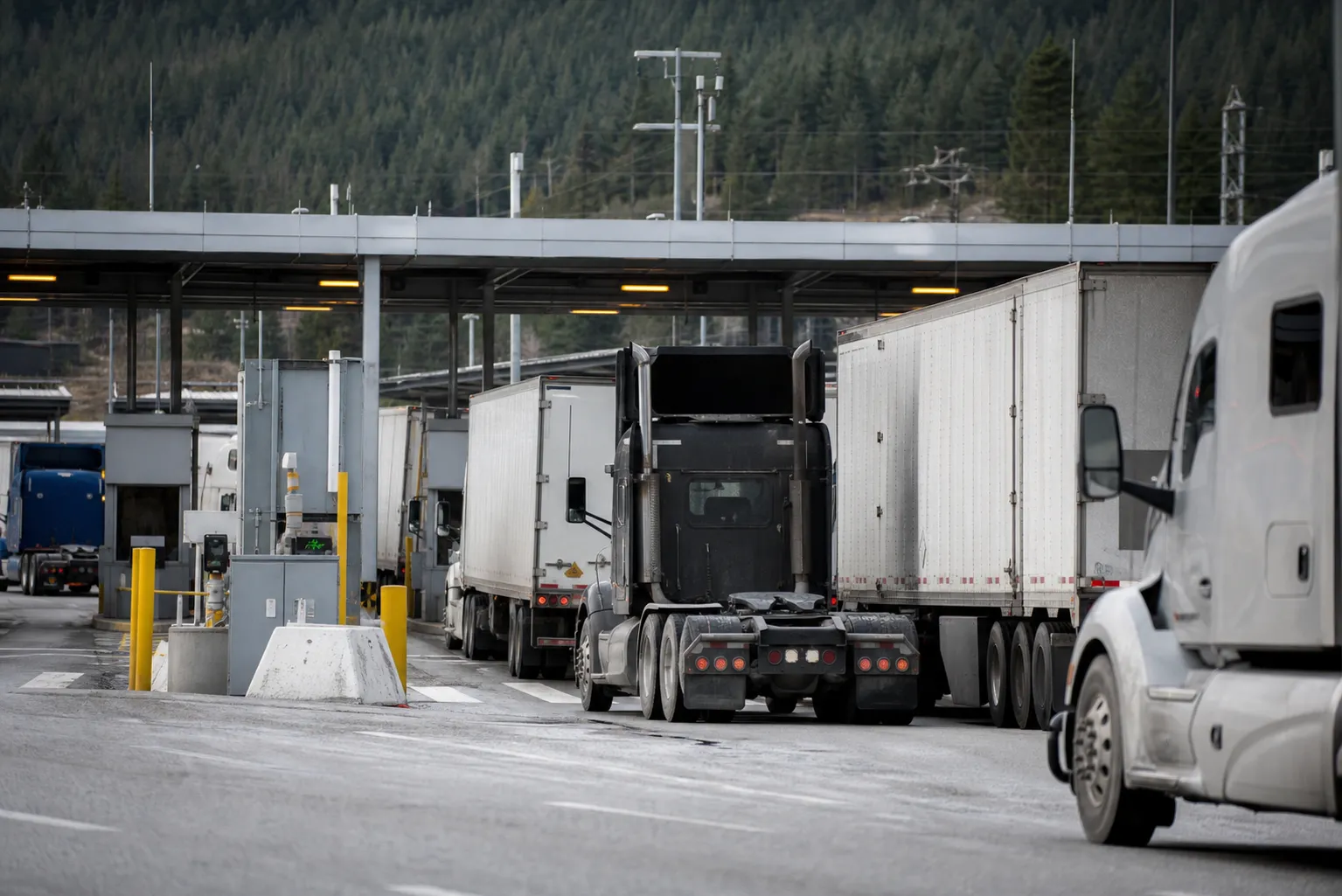
Canadian Prime Minister Mark Carney halted comprehensive trade talks with the United States two weeks ago amid tariffs on key Canadian goods and threats by US President Donald Trump to impose even higher tariffs next year. Annual trade between the countries exceeds $1.2 trillion, but negotiators on both sides of the border do not recall such a tense atmosphere, ABC News Australia reports.
Canada is already facing tariffs on exports of steel, lumber and automobiles. Carney also imposed retaliatory tariffs on US goods. According to Corey Tenecke, former communications director for ex-Canadian Prime Minister Stephen Harper, the proposed terms included tariffs on automobiles and the United States' right to influence Canada's trade agreements with other countries. He called such an option unacceptable for Ottawa.
Rising tensions
After the talks were halted, rhetoric intensified on both sides. White House trade adviser Peter Navarro called previous Canadian negotiators unreliable. Ontario Premier Doug Ford compared Trump to a school bully taking lunch money.
Soon after that, Trump signed an order renaming Lake Ontario in the United States as Lake America. The lake is a water border between the two countries: Rochester is located on the American side, while Toronto is on the Canadian side.
More current news is available on the UA.News Telegram channel Telegram.
Support for Carney's decision
A poll showed that three-quarters of Canadians approved of Carney's decision to leave the talks. David Coletto, a representative of polling company Abacus Data, said the decision is supported by a majority of citizens, including half of supporters of the opposition Conservative Party. Over the past week, Carney's Liberal Party also won three federal by-elections by comfortable margins.
Coletto noted that many industries depend on cross-border trade, but Canadians do not want the United States to dictate what choices they should make. Some provinces have banned the sale of American alcohol, while Canadian tourists are avoiding trips to the United States, choosing Caribbean countries and Mexico for winter vacations.
Kellyanne Shaw, a former official in the first Trump administration, believes the countries will eventually be able to reach an agreement because of the scale of their trade, their allied security relationship and their shared border. At the same time, according to Coletto's assessment, more and more Canadians prefer to reduce their dependence on the United States.




