
Japan may study feasibility of nuclear submarines — The Japan Times
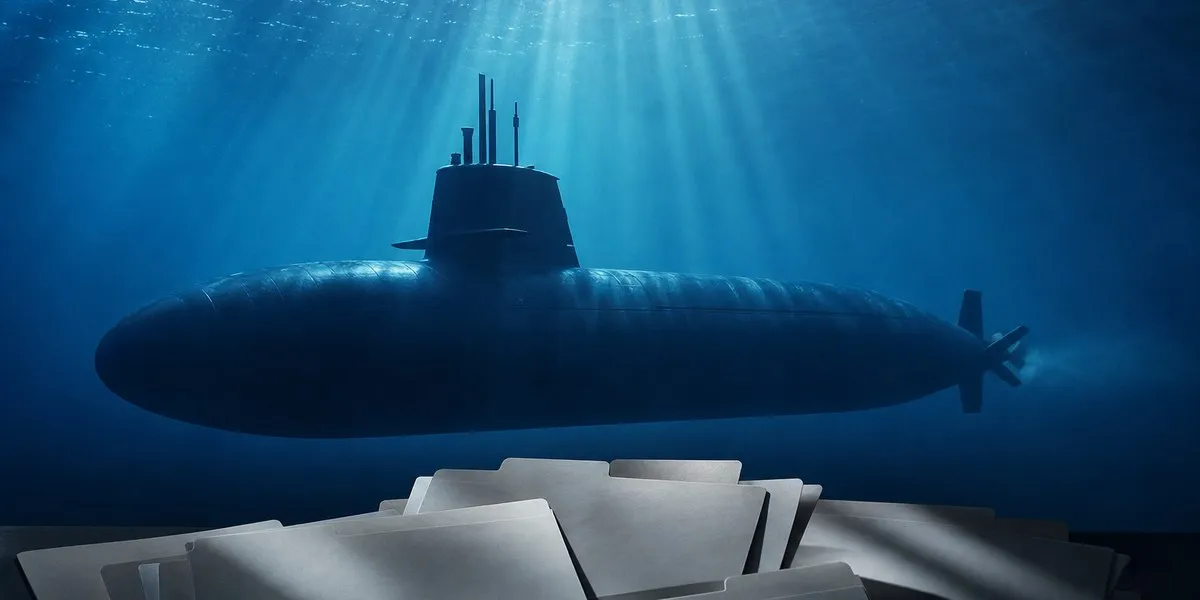
The Japanese government is considering including in three key security documents a plan to study the feasibility of possessing nuclear submarines. The documents are to be revised by the end of 2026, The Japan Times reports, citing government sources.
Arguments of supporters
Supporters of the idea believe that such submarines are necessary to maintain Japan's deterrence and response capabilities amid expanding activity by the Chinese military in the Pacific Ocean. Nuclear submarines can remain underwater for long periods and cover considerable distances.
In June, the junior partner in the ruling coalition, the Japan Innovation Party, called on the government to introduce such vessels as soon as possible. The issue was also raised at meetings of a government expert group discussing the revision of the security documents.
More current news is available on the UA.News Telegram channel Telegram.
Concerns and costs
At the same time, many representatives of the main ruling Liberal Democratic Party are cautious about the proposal. The government will determine the final wording of the documents after consultations with the ruling bloc and discussions with experts.
According to informed sources, conventional submarines must periodically raise pipes above the surface to take in air and vent exhaust, while nuclear-powered ones can remain underwater for months. Their speed can exceed 50 km/h, compared with about 35 km/h for conventional submarines. Due to their larger size, such vessels could potentially be equipped with counterstrike capabilities.
Among the challenges are the need to train and recruit engineers with specialized knowledge, as well as substantial construction and operating costs that could increase defense spending. There is also the issue of whether such submarines are compatible with Japan's Basic Law on Atomic Energy, which limits its use to peaceful purposes.




