
Chancellor Healey warns of difficult UK budget
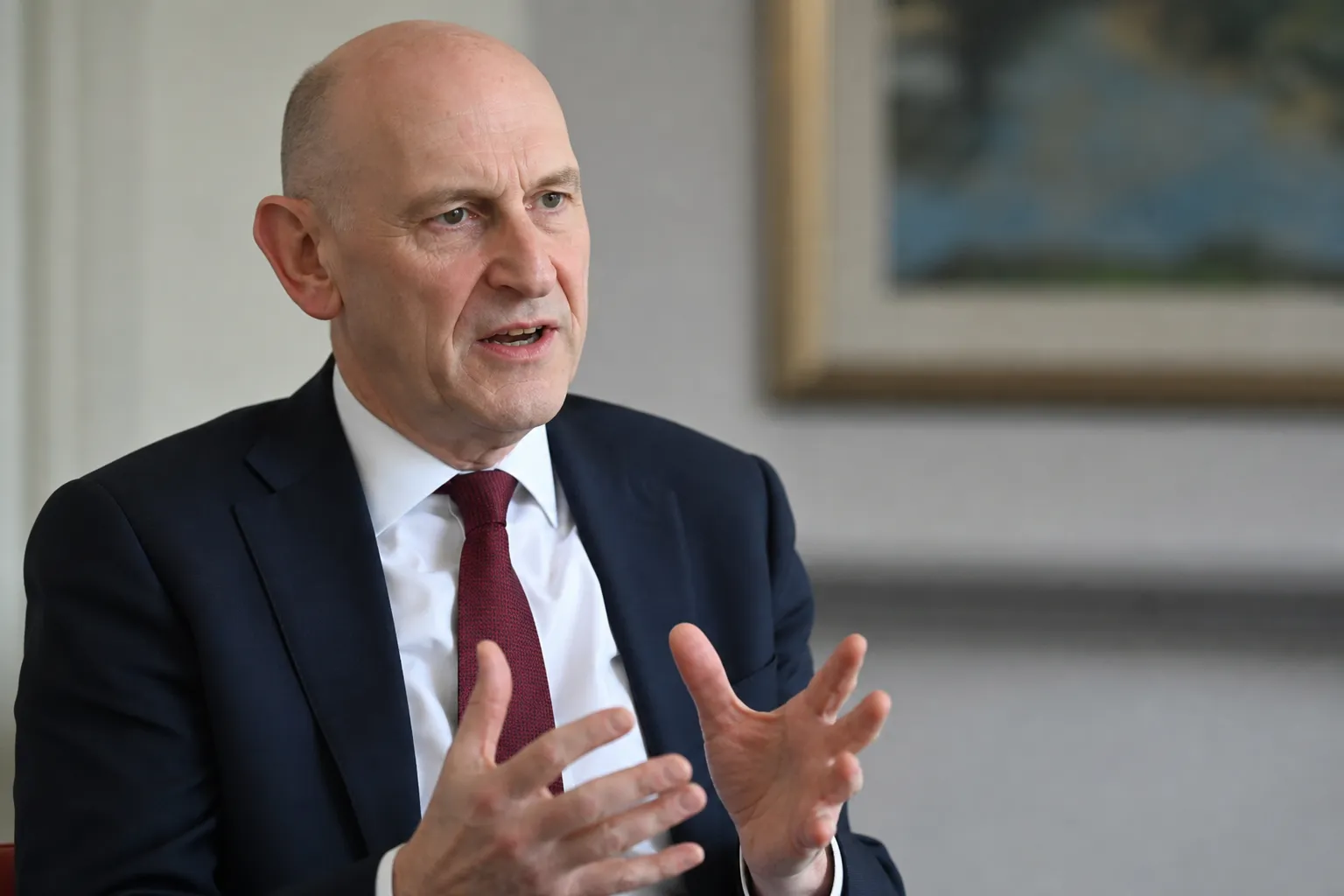
UK Chancellor of the Exchequer John Healey said that his first budget, scheduled for October 28, will be difficult. In an interview with the Financial Times, he linked this to the war in the Middle East, which he called Trump’s war, and the conflict in Iran, The Guardian reports.
Pressure on inflation and borrowing
According to Healey, events in the Middle East are affecting inflation, economic growth and borrowing costs. He noted that the government seeks to provide the country with a reliable buffer against uncertainty amid intensifying global instability.
UK public finances are also under pressure due to rising bond yields on global markets, which this week reached their highest level in 18 years. Higher yields increase the cost of government borrowing and affect public spending plans.
Taxes, spending and fiscal buffer
Economists, the publication writes, predict that Healey may be forced to raise taxes or significantly cut spending in order to preserve the £24 billion fiscal buffer that his predecessor Rachel Reeves had after the March budget statement. The chancellor did not specify what size of such a buffer he seeks to achieve.
More current news is available on the UA.News Telegram channel Telegram.
Healey stressed that he and Prime Minister Andy Burnham are acting in coordination in their intention to comply with fiscal rules. According to the Financial Times, the government plans to maintain the Labour Party’s 2024 election promises not to raise income tax for workers, national insurance contributions and VAT. An increase in the corporate tax rate is also not expected.
Social spending
The chancellor said he intends to cut social security spending and return more people to work. Economist Jim O’Neill, who advised Burnham before his arrival at Downing Street, believes that the government could calm bond markets with convincing steps to restrain social spending and by reviewing the mechanism for the annual increase in state pensions.
This mechanism, introduced in 2010, provides for an increase in the state pension in line with inflation, average wage growth or 2.5% — depending on which figure is higher. According to the publication, it has increased spending on state pensions by approximately £16 billion.


