
Kazakhstan is increasing its oil exports via an alternative route that bypasses Russia
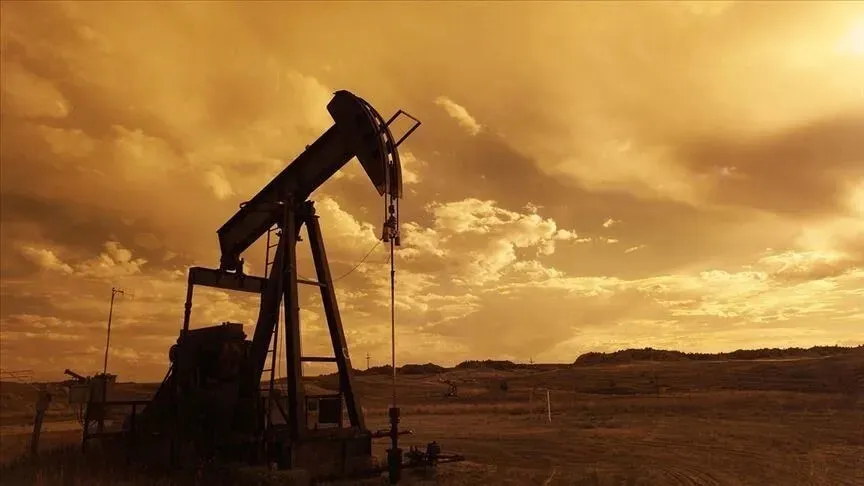
Kazakhstan plans to increase oil shipments via the Baku–Tbilisi–Ceyhan pipeline following talks in Astana. Over the past five years, transit volumes via the Trans-Caspian route have increased nearly fourfold.
Kazakhstan plans to increase oil exports via the Baku–Tbilisi-Ceyhan (BTC) pipeline as part of efforts to deepen strategic ties with Georgia following talks between President Kassym-Jomart Tokayev and Georgian Prime Minister Irakli Kobakhidze in Astana.
This announcement comes amid Kazakhstan’s ongoing diversification of export routes via the Trans-Caspian International Transport Route (TITR), also known as the “Middle Corridor.”
Transit volumes along this route have nearly quadrupled over the past five years. By 2029, Kazakhstan expects up to 3,000 container trains to travel annually through the corridor, which connects China with Europe via Kazakhstan, the Caspian Sea, Azerbaijan, and Georgia—bypassing Russian territory.
"We plan to increase oil shipments via the Baku-Tbilisi-Ceyhan pipeline. Work is already underway within the framework of the intergovernmental commission on trade and economic cooperation, and I hope that today’s meeting will help identify new priorities for the future,” Tokayev said.
Astana also plans to strengthen its presence in Georgia’s Black Sea ports.
In addition to the oil terminal in Batumi, owned by the Kazakh company "KazTransOil," the country is expanding its logistics infrastructure in Poti, where a new multimodal terminal funded by Kazakh investments opened last year. The future deep-water port of Anaklia was cited as another promising project, according to Euronews.
Read:
Kazakhstan has made a statement regarding gasoline supplies to Russia.
Recall: The fuel crisis in Russia is worsening: gasoline is running out at gas stations and lines are growing.
Russia has allowed the use of lower-quality gasoline due to the fuel crisis.


