
The Houthis attacked oil tankers amid new U.S. strikes on Iran
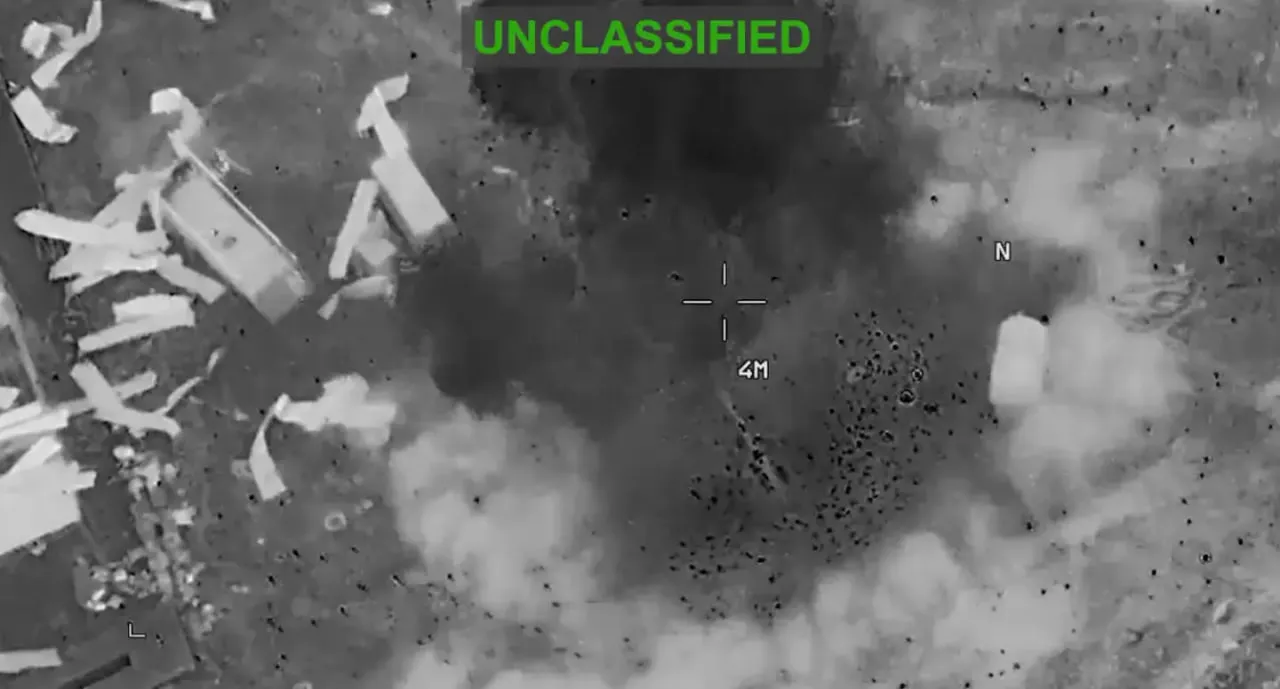
Yemeni Houthis claimed responsibility for an attack on two Saudi oil tankers in the Red Sea. Meanwhile, the United States has carried out strikes on Iranian targets for the 12th consecutive night.
Iranian state media reported that two people were killed on Wednesday as a result of the U.S. strikes, and a tanker caught fire following an explosion on a mined route in the Strait of Hormuz.
On the eve of the latest round of strikes, U.S. President Donald Trump threatened to destroy an Iranian bridge or power plant if Iran attacked a vessel in the strait. Iranian Foreign Minister Abbas Araghchi later warned of a “tit-for-tat” response to attacks on Iran. Trump also promised to “deal with” the Houthis if they block the Red Sea.
If confirmed, the Houthi attack would be the first since the Iranian-backed group declared a “maritime embargo” against Saudi Arabia.
The Houthis named the tankers “Encelia” and “Layla,” although their responsibility has not been confirmed.
The group’s military spokesman, Yahya Sari, stated that they attacked the ships with drones and missiles for allegedly violating the naval blockade. Sari added that the Houthis have vowed to continue their naval operations and will continue to “ensure adherence to the ‘siege for siege’ principle.”
The state-run Saudi Press Agency confirmed early Thursday morning that the “Encelia” was struck “while sailing in the Red Sea,” causing a fire at its bow. Citing an unnamed official source at the General Directorate of Transport, the agency called the attack a violation of international law. The entire crew was safe, the agency reported.
The British maritime trade organization (UKMTO) reported that an “unknown projectile” struck the Saudi tanker approximately 130 km from Al-Shuqayqah in Saudi Arabia at 20:00 GMT. The attack caused a fire, but there were no casualties, the statement said. The British maritime risk management group Vanguard also reported that the Saudi tanker “Encelia” had been struck. The attack on the “Layla” has not been confirmed.
U.S. Central Command (Centcom) stated at 9:30 p.m. GMT that it had carried out strikes on Trump’s orders, “to further degrade Iran’s ability to threaten civilian mariners and commercial vessels transiting regional waters.”
The statement said the strikes targeted “Iranian military targets, including naval assets, missile and drone depots, coastal observation posts, and air defense systems.”
Kuwait, Jordan, and Bahrain soon reported responding to air threats, before the Iranian military claimed it had targeted U.S. facilities in all three countries, according to AFP.
Meanwhile, Iran’s Islamic Revolutionary Guard Corps (IRGC) stated that the Strait of Hormuz was “completely closed” following an explosion in the strait, according to Iranian state media. The IRGC said it had stopped three oil tankers from passing through the strait. One tanker caught fire, and the other two turned back after attempting to navigate a mined route south of the strait.
On Tuesday, Trump told reporters that he would “deal with the Houthis” if they, as they had claimed, blocked the Red Sea.
The Houthis provided few details about the “maritime embargo” when it was announced on Monday, but a spokesperson told the media that they were closing the Bab el-Mandeb Strait—the southern gateway to the Red Sea—to Saudi vessels.
So far, at least seven oil tankers have turned back near Yemen since the embargo was imposed. Sari claimed that the Houthis “forced about ten ships to retreat and turn back.”
The disruptions in the Red Sea are occurring against the backdrop of a virtual stalemate in peace talks between the U.S. and Iran. Both countries signed a Memorandum of Understanding (MoU) in June regarding the cessation of military operations and the reopening of the Strait of Hormuz, as well as reaching an agreement to end the war within the next 60 days. But three weeks after it was signed, Trump announced the “end” of the ceasefire following Iranian attacks on ships in the Strait of Hormuz and subsequent U.S. retaliatory strikes.
This was reported by the BBC.
Iran has once again denied the existence of a secret nuclear facility on Mount Kolang.
The U.S. attacked a commercial tanker bound for Iran for the first time.
As a reminder, starting on July 15 and continuing into the night of July 16, the U.S. carried out two waves of strikes on Iranian territory. The targets of the attacks included a number of military facilities in Tehran, as well as a tanker heading for Iranian ports.
U.S. President Donald Trump stated that Iran had released an American woman whom, according to him, it had been illegally detaining since December 2024.


