
The Guardian columnist ironically names seven signs of Europe’s “wealth”
Columnist Emma Beddington wrote in The Guardian an ironic response to the dismissive term “Europoor,” which, she said, some Americans use to describe Europeans. This perception is associated with lower wages, higher taxes and dependence on public transport in European countries.
Economic comparison
The author noted that after the pandemic, US GDP grew by 15.6%, while that of the eurozone grew by 7.2% and that of the United Kingdom by 6.3%. According to OECD data she cited, average earnings in the United States, taking into account differences in the cost of housing, food and services, amount to $86,977. In the United Kingdom, this figure is $66,299, in Germany $76,286, and in France $60,483.
At the same time, Beddington believes that GDP cannot fully reflect either well-being or quality of life. She referred to higher mortality rates and lower life expectancy in the United States compared with Europe, and also mentioned the financial risks that a serious illness or accident can create for Americans.
More current news is available on the UA.News Telegram channel Telegram.
Seven ironic criteria
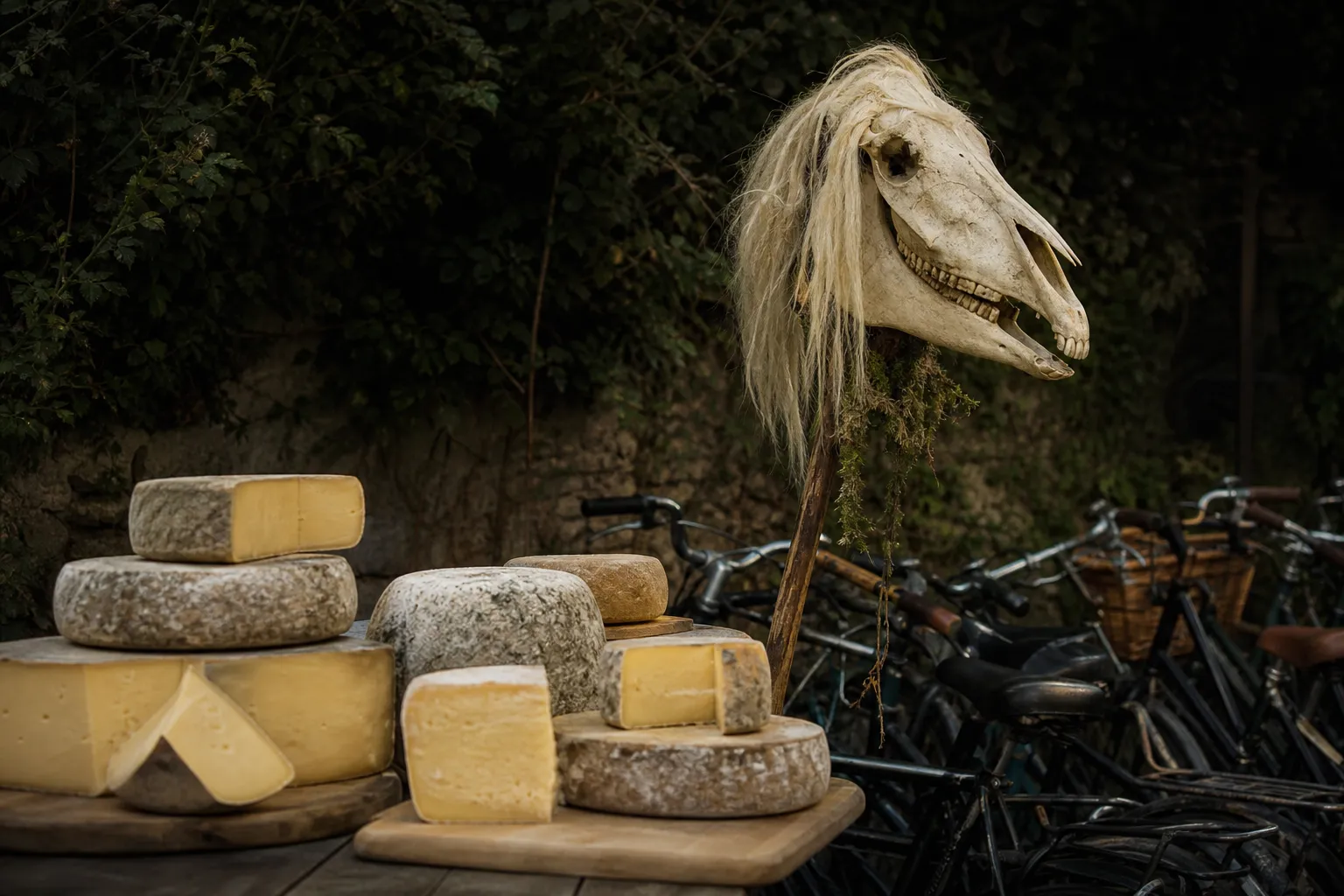
As an alternative to purely economic indicators, the columnist proposed seven humorous signs of European “wealth”: cheeses, bicycles, the number of saints, healthy foods, eccentric historical rulers, natural teeth and unsettling folklore.
Among the examples, the author cited data for 2019, when 41% of residents of the Netherlands named bicycles as their main mode of transport. She also compared 11 saints in the United States with approximately a thousand saints in Ireland. Mentioning folklore, Beddington named the Belgian Matî l’Ohê festival, Austrian Perchten and the Welsh Mari Lwyd ritual, during which a horse skull on a pole is carried from door to door and songs are sung in midwinter.
The column is satirical in nature: the author contrasts purchasing-power indicators with the cultural and everyday features of European countries.


