
Bolivia’s Congress approves $1.9bn IMF loan — Al Jazeera
Bolivia’s Congress has approved a $1.9bn International Monetary Fund lending programme, marking an important victory for President Rodrigo Paz. As Al Jazeera English reports, the agreement must still be approved by the IMF Executive Board before the country receives the funds.
Support in Congress
Paz’s Christian Democratic Party does not hold a majority in parliament. However, centrist and right-wing political forces that now dominate Congress supported the programme on Friday. The left-wing MAS party, which was in power for a long time, holds only two of the 130 seats in the lower house and is not represented in the Senate.
The president said that Bolivia is finalising important agreements, but difficult decisions lie ahead for the country. According to him, international fuel prices are rising because of the war in Iran, forcing the authorities to make difficult choices.
More current news is available on the UA.News Telegram channel Telegram.
Subsidy cuts and union reaction
Bolivia previously received billions of dollars from natural gas exports, but production has sharply declined due to years of underinvestment. This led to a shortage of dollars to purchase imported fuel. The state spent significant funds to keep petrol and diesel prices lower than in Saudi Arabia, but the subsidies depleted foreign exchange reserves and contributed to the emergence of a black market for smuggled fuel.
Under the first multi-year IMF programme since 2006, the government must continue reducing fuel subsidies and restrain public spending. Paz has already raised fuel prices and plans to fully abolish the subsidy by January. Officials expect that the agreement will also unlock access to about $5bn in financing from the World Bank and other lenders.
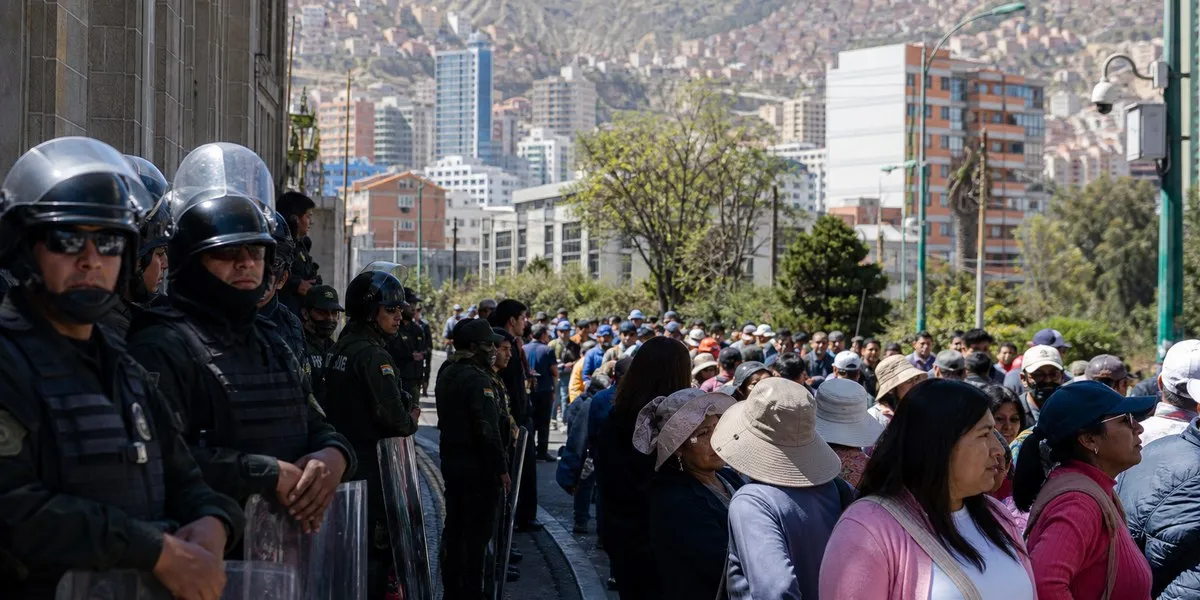
The Bolivian Workers’ Centre, the country’s main trade union federation, condemned the plan. Trade unions say subsidy cuts will raise the cost of living for families already facing hardship. In June and July, protesters blocked roads, effectively paralysing much of the country and demanding the president’s resignation. Congress extended the state of emergency introduced to clear the roads for another 90 days.




