
The Kremlin has rejected negotiations with the U.S. on the release of political prisoners
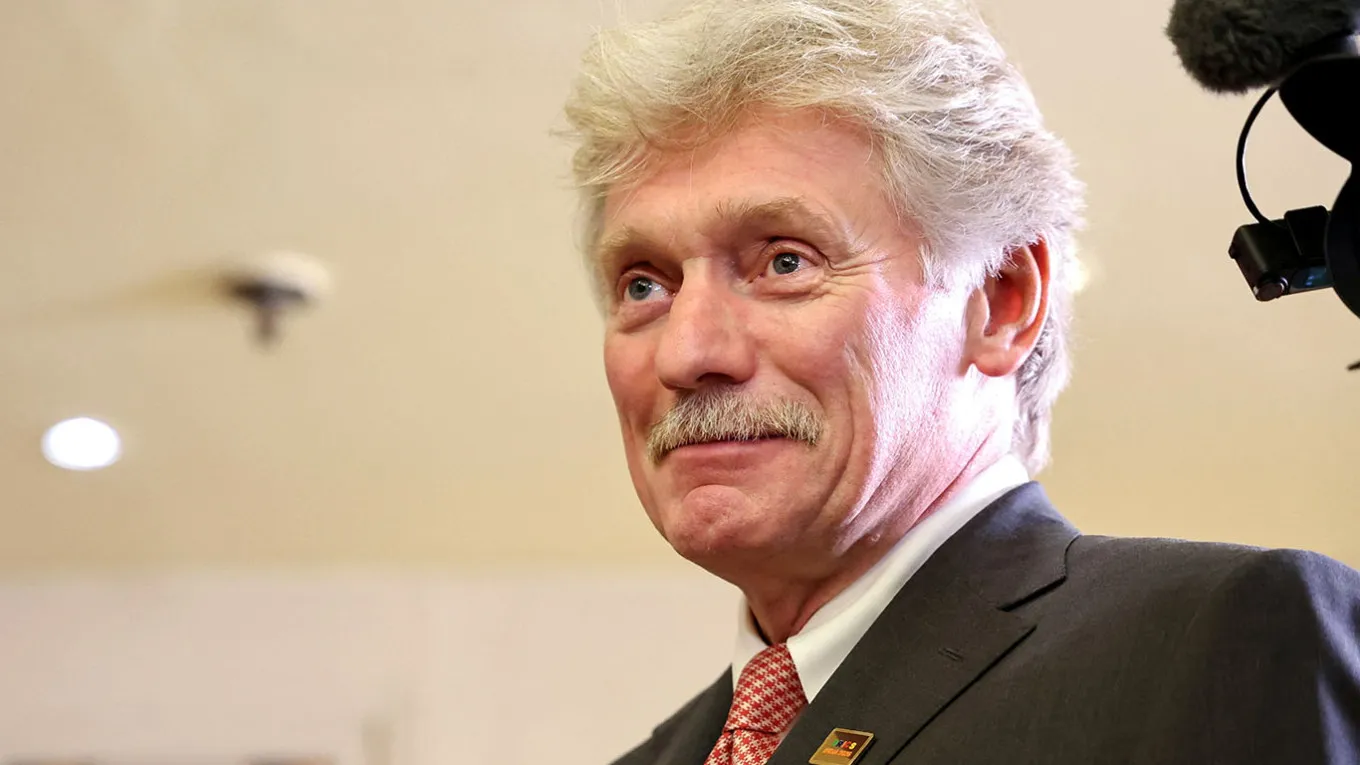
The Kremlin stated that Russia is not negotiating with the U.S. to ease sanctions in exchange for the release of political prisoners. Vladimir Putin’s press secretary, Dmitry Peskov, said that Moscow does not recognize the existence of such prisoners at all, although the intelligence services of the two countries continue to maintain contact regarding other exchanges. The statement came after The Atlantic published an article about an initiative by U.S. Special Envoy John Cole.
The Kremlin denied that the U.S. and Russia are discussing the possibility of releasing individuals whom Washington and human rights groups consider political prisoners in exchange for easing U.S. sanctions. According to him, this issue was not discussed and, in the Kremlin’s view, could not be discussed. “No, this issue was not discussed. It could not have been discussed in this context, since we categorically deny the existence of political prisoners and consider such an approach inappropriate,” Peskov said.
At the same time, the Kremlin spokesman acknowledged that Russian and U.S. intelligence agencies maintain regular contact. According to him, these contacts pertain to “various exchanges” that took place in the past. Peskov’s statement came the day after The Atlantic’s publication. The publication reported that John Cole, a special representative of U.S. President Donald Trump, proposed a new framework for relations with Moscow: Russia could release some political prisoners, and the U.S. could, in return, ease certain sanctions. According to the publication, Trump supported this idea.
The Atlantic emphasizes that the initiative is still in its early stages. This is not a finalized agreement, but rather one of several options the U.S. side is trying to work out in its relations with the Kremlin.
How the Idea Came About
According to The Atlantic, Cole began promoting this plan after meeting with Russian dissident and Nobel Peace Prize laureate Dmitry Muratov. Muratov has been working for many years to secure the release of people imprisoned in Russia for their anti-war stance, journalistic activities, or opposition views. During the meeting, he told Cole about these individuals and suggested trying to use a strategy that the U.S. special representative had already employed in negotiations with Belarus.
In Belarus, Cole has worked over the past year to secure the release of hundreds of prisoners. *The Atlantic* reports that approximately 500 people were released as a result of these diplomatic efforts. At the same time, Washington eased some sanctions against the Belarusian government and discussed economic agreements, particularly regarding potash fertilizers.
Now Cole is proposing to apply a similar approach to Russia. According to the publication, he has already compiled a separate list of Americans held in Russian prisons. Another list, prepared with the help of Muratov, is expected to include Russian dissidents, journalists, and others imprisoned for opposing the war.
What Washington Wants
According to The Atlantic, Cole’s idea for the Trump administration has not only humanitarian but also broader diplomatic and economic implications. The U.S. side wants to expand negotiations with the Kremlin beyond the issue of the war against Ukraine. The publication notes that a potential easing of sanctions could create conditions for the restoration of some economic ties between the U.S. and Russia. Among the possible areas of cooperation are Russian oil, diesel fuel, rare earth resources, and other raw materials.
Cole himself explains his position by saying that, in his view, greater contact between the countries could gradually lead to agreements and reduce tensions. “All of this works toward the possibility of peace. The more interaction there is, the more compromises—economic, regarding prisoners, or any other—which, step by step, will hopefully lead to peace,” he told The Atlantic.
The publication also sees a political interest for Donald Trump in this scenario. The Atlantic notes that the release of prisoners could serve as an additional argument for the U.S. president in his diplomatic campaign and further his quest to win the Nobel Peace Prize. This is the publication’s assessment, not an officially announced goal of the White House.
Ukraine opposes easing sanctions
The initiative is already causing concern in Ukraine and some European countries. According to The Atlantic, President Volodymyr Zelenskyy opposes lifting or easing sanctions against Russia until the war ends. He has stated that additional funds for the Russian economy could give the Kremlin more opportunities to continue the war.
Kyiv also does not view potential economic agreements between the U.S. and Russia as a substitute for security guarantees for Ukraine. Ukrainian negotiators quoted by The Atlantic believe that resuming trade with Moscow without clear conditions could bolster Russia’s resources to continue the war. Some U.S. officials, however, continue to speak of economic engagement as a tool that could help gradually reduce tensions between Russia and the West.
What the Kremlin Says
Moscow’s position so far directly contradicts the very basis of the proposed scheme. The Russian government does not recognize the existence of political prisoners as a category. That is why Peskov stated that Russia cannot discuss the formula of “releasing political prisoners in exchange for sanctions.”
At the same time, the Kremlin does not deny the very fact of contacts between American and Russian intelligence agencies. Peskov said that these contacts are continuing regarding various exchanges. In other words, at this point, there is no confirmation that Moscow has agreed to the proposed U.S. plan or has even begun official negotiations in this specific format.
Cole Receives New Position
On September 28, the White House officially nominated John Cole to serve as the U.S. President’s Special Envoy for Hostage Affairs at the rank of ambassador. The appointment requires Senate confirmation. This is important for his future work, as the issue of securing the release of Americans held abroad remains one of the main focuses of his efforts.
Cole has already publicly confirmed that he is working on the issue of Russian political prisoners. On September 23, he stated that work on this matter had begun. His current initiative effectively transfers the Belarusian experience of negotiations with Lukashenko to Russia. But the difference is that Moscow does not even recognize the very category of people whom Washington and international human rights organizations refer to as political prisoners.
Thus, there is currently no finalized agreement between the U.S. and Russia. *The Atlantic* reports on Cole’s initiative, which is supported by Trump, but the Kremlin denies that the issues of political prisoners and sanctions relief are being discussed. For now, the negotiations remain in the early stages, and the positions of Washington, Kyiv, and Moscow regarding a possible format differ significantly. This was stated on September 30 by Russian Presidential Press Secretary Dmitry Peskov.




