
LeoLabs to offer Scout-S mobile radars to US allies
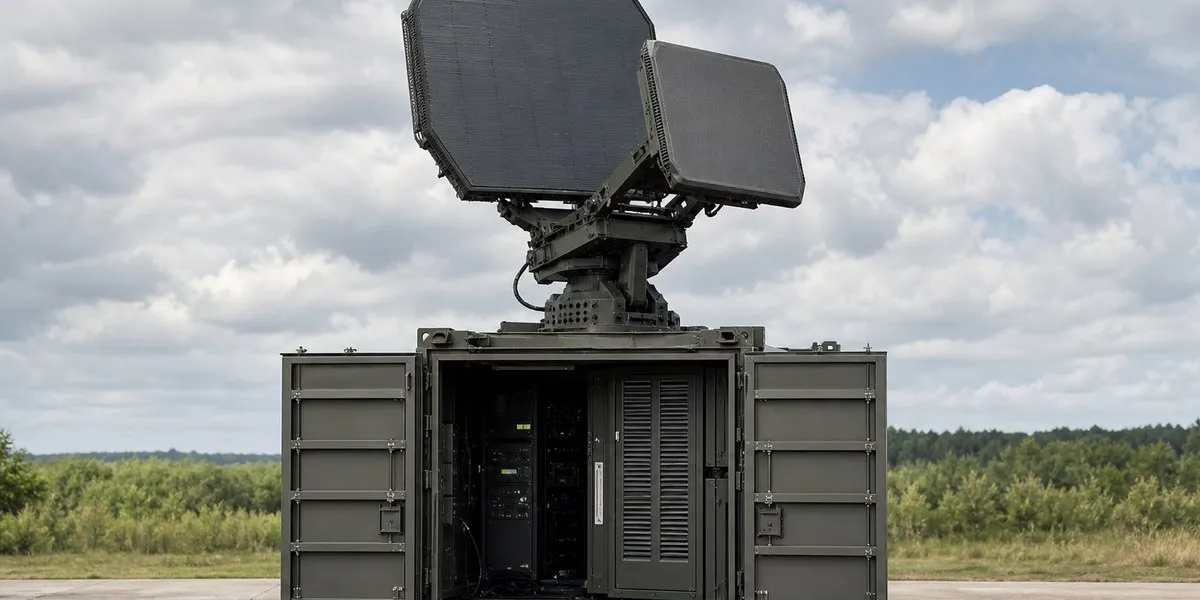
LeoLabs is changing its approach to selling the Scout-S mobile space radar and plans to offer the system directly to the governments of countries allied with the United States. Previously, the company primarily operated the radars itself and provided clients with space object tracking services.
As Breaking Defense reports, LeoLabs is considering three operating models for Scout-S: commercial access to the radar’s capabilities, a contractor-owned and operated system funded by the government, and an option under which the government owns and operates the radar.
Talks with allies
LeoLabs CEO Tony Frazier said the company is in talks with more than a dozen allied countries. At least one of them, he said, is interested in purchasing several systems. LeoLabs representatives did not disclose the cost of a single installation.
More current news is available on the UA.News Telegram channel Telegram.
Scout-S fits inside a standard shipping container. The system was unveiled at the end of June during the US Indo-Pacific Command’s multinational Valiant Shield exercise. According to the company, several S-band antennas can detect and continuously track multiple space objects at altitudes of roughly 180 to 1,000 kilometers.
Expanding the monitoring network
LeoLabs intends to manufacture fewer than ten Scout-S systems next year and subsequently increase production to dozens of systems per year. The company also plans to integrate several deployed Scout-S radars to close gaps in its own network of 12 larger radar sites in different parts of the world.
LeoLabs Chief Operating Officer and co-founder Dan Ceperley explained that the existing network does not provide complete coverage: depending on its orbit, a satellite may remain unobserved for hours. According to him, rapid detection and prolonged tracking are becoming more important because of the growing number of maneuverable satellites conducting rendezvous and proximity operations in orbit.


