
Holiday on September 16, 2026 — Mexican Independence Day: The History of the Grito de Dolores and Traditions

On September 16, 2026, Mexico will celebrate the National Holiday of the United States of Mexico—Independence Day. It was on this day in 1810 that a rebellion against Spanish colonial rule began, which culminated 11 years later in the country’s independence. The main celebrations traditionally begin on the evening of September 15, when the President of Mexico reenacts the famous “Grito de Dolores”—a call to arms associated with Father Miguel Hidalgo.
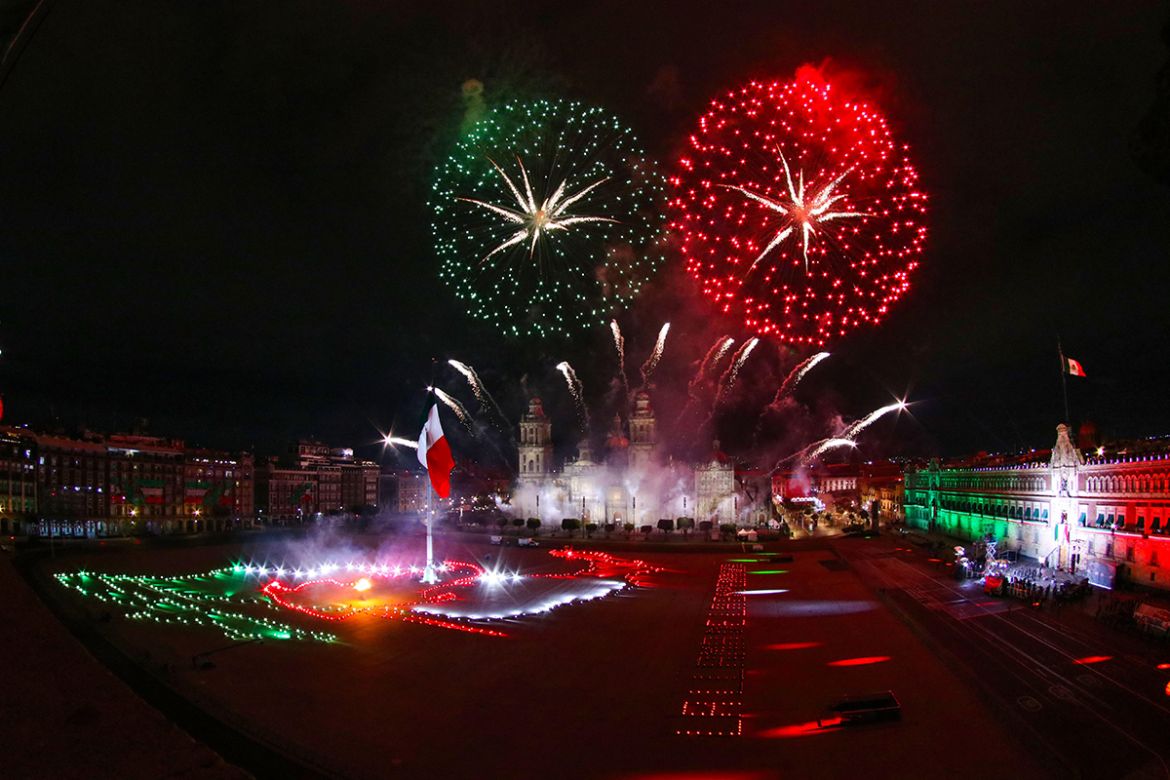
Mexico’s Independence Day is celebrated annually on September 16. In 2026, it will fall on Wednesday, September 16. The date is an official holiday in Mexico in accordance with the country’s labor laws. Although September 16 is the main date of the holiday, the celebrations actually begin on the evening of the previous day. On the night of September 15–16, festive events, concerts, folk celebrations, and the “Grito de Independencia” (Cry of Independence) ceremonies take place throughout the country. The most famous such ceremony takes place in Mexico City on the country’s main square, the Zócalo, near the National Palace.
Therefore, for many Mexicans, the holiday is associated with two evenings and two days. September 15 is the evening of the great “Cry of Independence,” and September 16 is the official Independence Day and a day to commemorate the start of the struggle. This format has developed historically and remains one of Mexico’s most famous national traditions.
How the Struggle for Independence Began
In the early 19th century, the territory of modern-day Mexico was part of the Spanish colonial empire and was known as New Spain. Ideas of self-governance and independence gradually spread throughout society. The situation was influenced by both political events in Spain itself and broader changes in New Spain’s society. Secret groups began to emerge in various cities, discussing the possibility of an uprising against colonial rule.

One such group was the conspiracy in Querétaro. Among those involved were the priest Miguel Hidalgo y Costilla, the military officer Ignacio Allende, as well as Josefa Ortiz de Domínguez and her husband Miguel Domínguez. They had planned to launch the uprising later, but the conspiracy was exposed and the authorities began making arrests. As a result, the participants had to act much sooner than they had planned. It was this very event that served as one of the catalysts for the outbreak of the uprising in September 1810.
On the night of September 16, 1810, Hidalgo, who served as a priest in the town of Dolores in the state of Guanajuato, called on local residents to join the struggle. He rang the church bell to gather the people, after which he addressed the crowd. This speech went down in history as the “Grito de Dolores”—“The Cry of Dolores.” It is considered the symbolic beginning of Mexico’s War of Independence. It is important to note that the exact text of Hidalgo’s speech is not known for certain. Historians point out that later accounts may have differed from the words he actually spoke that night. However, the very fact of the call to revolt and the role of the bell in Dolores have become a central part of Mexican historical memory.
Why September 16 Became the Key Date
The uprising, which began in 1810, did not lead to the immediate creation of an independent state. The struggle lasted approximately 11 years and went through several stages. Miguel Hidalgo was captured and executed in 1811, but the movement did not cease. It was subsequently carried on by other leaders, among whom José María Morelos and Vicente Guerrero became particularly well-known. In 1821, independence was effectively achieved. On September 27, 1821, the Army of the Three Guarantees entered Mexico City, marking the end of the armed struggle, and the Declaration of Independence was signed the following day. Thus, September 16 symbolizes not the date of the final proclamation of an independent Mexico, but rather the beginning of the struggle for it.

This is an important clarification, as the holiday is often simply referred to as Independence Day in popular perception. In reality, the historical process was much longer and more complex. In Mexico, however, September 16 has become established as the main date of the national holiday because the very start of the uprising became a symbol of the country’s struggle for freedom. As early as 1813, José María Morelos proposed officially commemorating September 16 as the day the struggle for independence began. After the war ended, the date was designated a national holiday. In 1825, Mexico’s first president, Guadalupe Victoria, made it the country’s main national holiday.
What Is the “Cry of Dolores”?
The “Cry of Dolores” is one of Mexico’s most famous historical events. It is believed that on the morning of September 16, 1810, Miguel Hidalgo rang the church bell in Dolores and summoned the people. He then urged them to rise up against the colonial authorities. His appeal served as the signal for an uprising that quickly spread throughout New Spain.
In modern Mexico, this event is reenacted every year during a festive ceremony. On the evening of September 15, the president steps out onto the balcony of the National Palace in Mexico City. He rings the symbolic Bell of Dolores, after which he delivers patriotic speeches in honor of the heroes of independence and the country. The ceremony concludes with the traditional cry of “¡Viva México!” Interestingly, there is no single officially approved text that the president is required to recite during the ceremony. Therefore, different presidents have added their own exclamations and the names of historical figures to the traditional “shout.” Because of this, the ceremony may vary slightly from year to year, although its core remains the same.
Why Is the Main Ceremony Held on September 15?
At first glance, one might wonder why Mexicans begin celebrating independence on September 15 if the main date is September 16. The reason is directly linked to the history of the “Grito de Dolores.” The events of 1810 began at night and actually carried over into the morning of September 16. Therefore, the ceremony on the evening of September 15 symbolically recreates the moment just before the uprising began.
President Porfirio Díaz played a major role in shaping this modern tradition. In 1896, he ordered the historic bell to be moved from Dolores to Mexico City. Since then, the bell has become the central symbol of the ceremony at the National Palace. That is why today the country’s president can personally ring it during the celebration. There is another interesting detail. During the Diaz era, the official ceremony began to be held on the evening of September 15. Since then, this tradition has become firmly established in the Mexican holiday calendar. Therefore, the modern schedule looks like this: the evening of September 15 is “El Grito,” and September 16 features large-scale celebrations and a military parade.
How Mexico Celebrates Independence Day
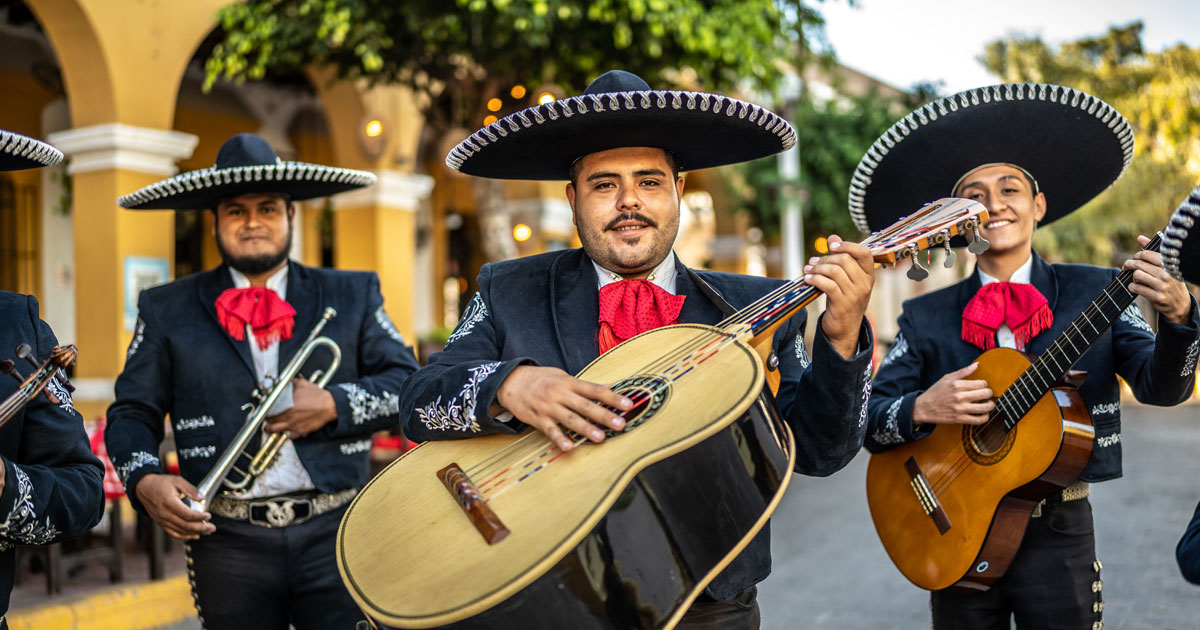
Celebrations take place in every region of the country. Stages are set up in central squares, where concerts, cultural events, and folk festivals are held. Cities are decorated with flags and decorations in green, white, and red. These colors are part of Mexico’s national symbolism and literally fill the streets in September. One of the main events on the night of September 15 is the “Grito de Independencia” ceremony. In Mexico City, thousands of people gather at the Zócalo in front of the National Palace. When the president steps out onto the balcony, the crowd joins him in honoring the heroes of independence and shouts “Viva México.” This is often followed by concerts and festive performances.
Another important part of the celebration is the fireworks. In various cities, they are set off after the official ceremonies conclude. The streets fill with music; people sing, dance, and spend time with family and friends. In many cities, the festivities continue well past midnight. On September 16, official events and military parades take place. In Mexico City, the highlight is a large-scale civil-military parade featuring the country’s Armed Forces. Military equipment is displayed, servicemen march past, and military bands perform. This part of the celebration emphasizes not so much the festive atmosphere as the historical significance of Mexico’s independence and statehood.
What People Eat During the Holiday
It’s hard to imagine Independence Day in Mexico without traditional cuisine. On holidays, families prepare popular Mexican dishes, and the feast often becomes a separate part of the celebration. Traditional dishes include pozole, tamales, enchiladas, various types of meat, corn-based dishes, and sauces. In this context, food is not just part of the menu but a way to preserve cultural tradition.

Chiles en nogada hold a special place on the September holiday menu. These are stuffed poblano peppers served with a white walnut sauce, pomegranate, and fresh herbs. Together, they create a green, white, and red composition reminiscent of the colors of the Mexican flag. The dish is especially common in July, August, and September, when the main seasonal ingredients are available.
The history of this dish is also linked to independence. According to one of the most well-known versions, in 1821, the Augustinian nuns from the Santa Mónica convent in Puebla prepared it in honor of Agustín de Iturbide. They used ingredients that allowed them to recreate the colors of the Army of the Three Guarantees—green, white, and red. At the same time, Mexican government sources emphasize that there are several versions of the dish’s origin, so the legend should not be presented as an indisputable historical fact.
Interesting Facts About Mexican Independence Day
One of the most interesting facts is that Mexico did not gain independence in 1810. That was when the struggle began, but it did not end until 1821. Approximately 11 years of war passed between these events.
Another fact is that the first celebration of the “Grito de Dolores” took place during the War of Independence itself. In 1812, it was organized by Ignacio López Rayón and Andrés Quintana Roo in Huichapán. Miguel Hidalgo did not live to see this, as he was executed in 1811. That is why he did not witness the first celebration of the event with which his name is associated to this day.
It is also interesting to note that the modern ceremony does not use the original bell, which remains at the historic site in Dolores. In 1896, it was transported to Mexico City by order of Porfirio Díaz. Since then, it has become one of the main symbols of the national holiday.
The role of women in the struggle for independence deserves special mention. In modern official ceremonies, Mexico honors not only Hidalgo, Allende, Morelos, and Guerrero, but also Josefa Ortiz de Domínguez, Leona Vicario, Heretrudis Bocanegra, and other female participants in the movement. Josefa Ortiz, in particular, delivered a message exposing a conspiracy, which helped the participants in the uprising take action earlier than planned.
Why Independence Day Is Important to Mexicans
For Mexico, this is not just a public holiday on the calendar. The holiday is linked to the history of the formation of the modern Mexican state and the struggle against colonial rule. It has also become an important part of the country’s national identity. That is why these days bring together historical ceremonies, family gatherings, music, food, folk festivities, and official events. The symbolic reenactment of the “Cry of Dolores” holds special significance. Through it, modern Mexicans revisit the events of 1810 every year and honor those who took part in the struggle. The ceremony commemorates not only well-known political and military figures but also the people themselves who supported the uprising.
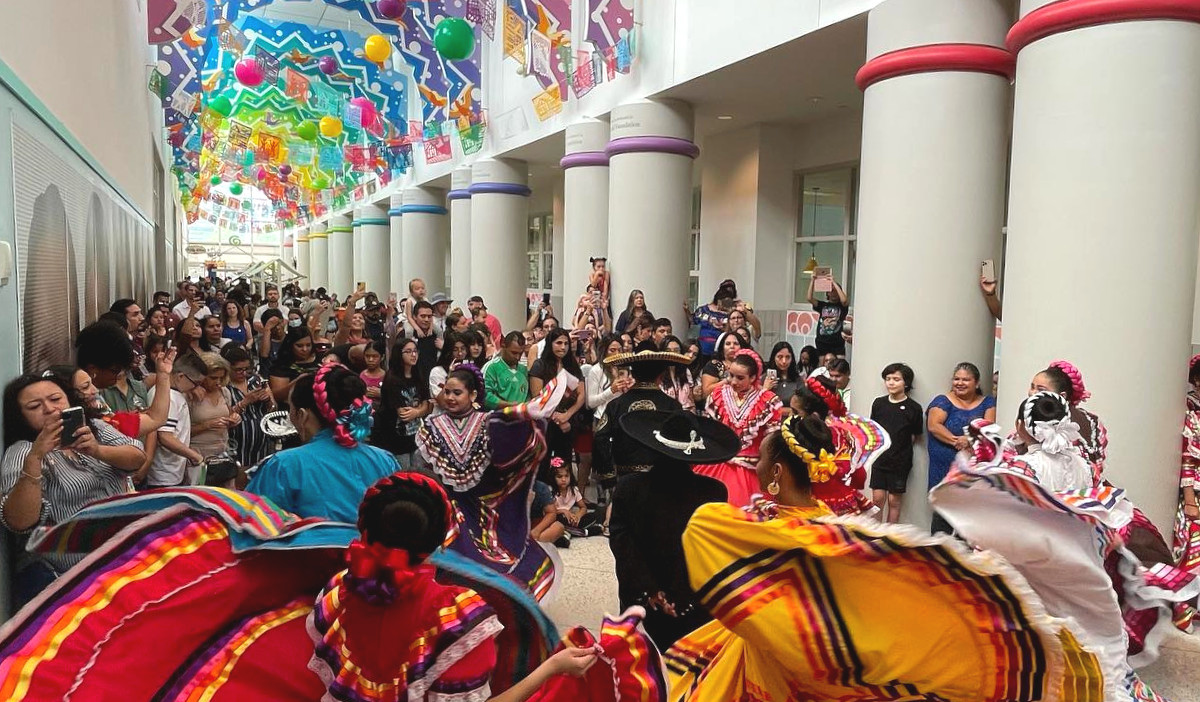
That is why the September celebrations in Mexico have a character that is at once historical, national, and deeply personal. For some, it means taking part in a grand ceremony in the central square; for others, watching the parade; and for still others, enjoying dinner with family and festive dishes. All of this together shapes Mexico’s modern Independence Day. In 2026, Mexico’s Independence Day falls on Wednesday, September 16. On the eve of the holiday, the evening of September 15, “Grito” ceremonies will take place across the country, and on September 16, the main state and festive events will be held.


