
U.S. oil reserves have fallen to their lowest level in more than 40 years
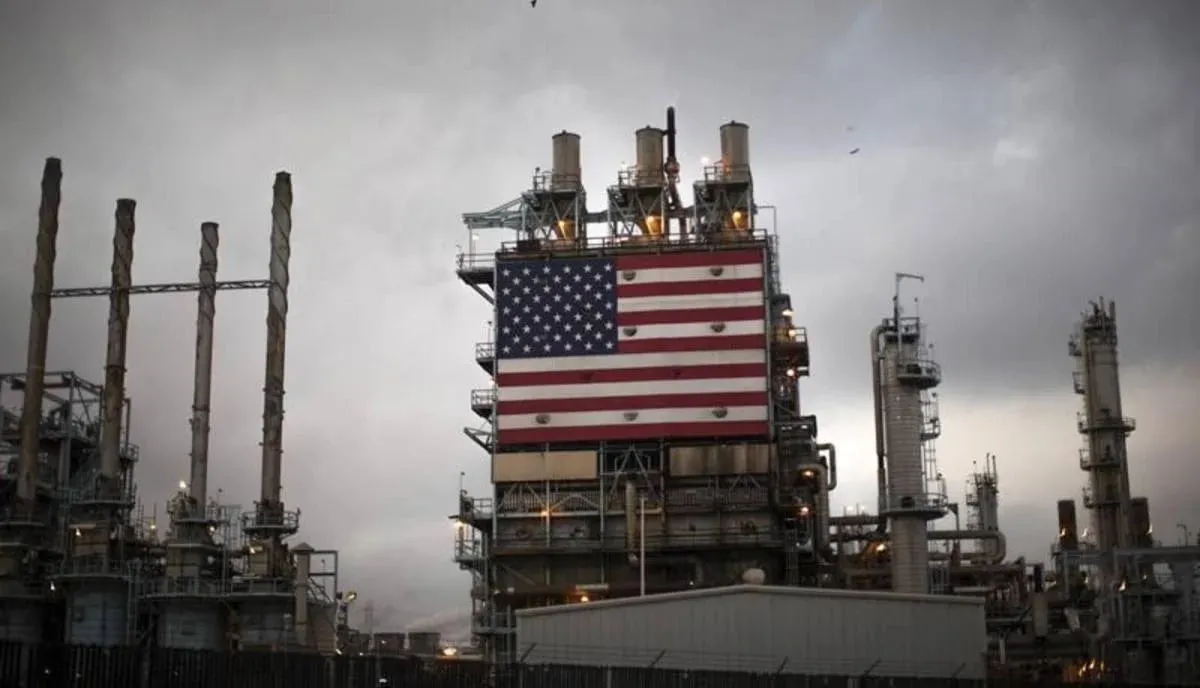
The decline in inventories is due to the decision to release 172 million barrels of oil from the U.S. Strategic Petroleum Reserve. Over the past week, crude oil inventories in the reserve fell to 283.8 million barrels. This is the lowest level since 1982.
Stocks peaked in December 2009 at 727 million barrels. The lowest level was recorded in late October 1982, when the reserve held 283.3 million barrels of oil. Currently, reserves account for about 40% of the reserve’s maximum capacity.
The decline in reserves is due to a decision to release 172 million barrels from the reserve. This step was part of a large-scale joint initiative by member countries of the International Energy Agency (IEA). They agreed to release a record total of 400 million barrels of oil to stabilize the global market and help lower fuel prices.
The U.S. Strategic Petroleum Reserve (SPR) is the world’s largest government-held stockpile of crude oil.
The reserve was created to ensure the country’s energy supply in the event of disruptions, as well as to stabilize the oil market and curb sharp price increases. The oil is stored in salt caverns along the Gulf of Mexico coast in Texas and Louisiana.
The U.S. first drew on the reserve in 1991 during the Gulf War.
This was reported by the U.S. Department of Energy.
NATO announced a meeting between Drapaty and the U.S. commander.
Drapaty suspended Major General Malinovsky’s assignment to the General Staff.
As a reminder, a man was killed in Kherson by an explosion of a “Petal” anti-personnel mine.
The Main Intelligence Directorate has identified those responsible for the shelling of the ATB supermarket in Chernihiv.




