
The wealthiest 10% of people cause trillions of dollars in damage to the environment
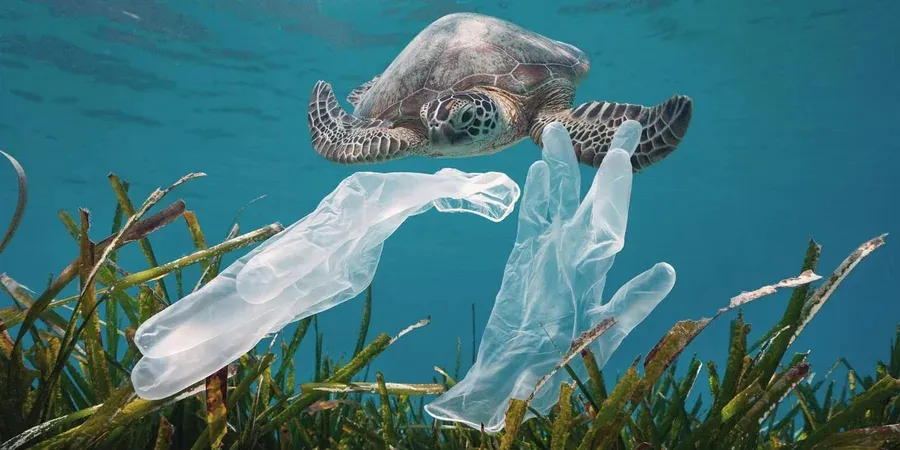
The wealthiest 10% of the world’s population cause environmental damage amounting to between 1.7 and 5.7 trillion dollars each year. This is the conclusion reached by researchers from the Universities of Oxford and Leiden. According to their estimates, the greatest losses are linked not to climate change, but to the loss of biodiversity.
The world’s wealthiest people place the greatest strain on nature. This is the finding of a new study by researchers at the University of Oxford and Leiden University. The researchers analyzed how people’s personal consumption affects the environment. They assessed the economic impacts on four key environmental systems: climate change, biodiversity loss, nitrogen and phosphorus pollution, and freshwater use.
According to their calculations, just 10% of people with the highest consumption levels cause annual damage to nature amounting to between 1.7 and 5.7 trillion dollars. This is comparable to—or even exceeds—current global spending on combating climate change and protecting nature. On average, one person in this group causes environmental damage amounting to 2,300–7,500 dollars per year. The highest figures were recorded in the United States, where this amount ranges from 19,000 to 63,000 dollars per person.
Scientists also noted where the largest number of people with the highest consumption levels live. More than 60% of them reside in the United States and European Union countries. More than half of the U.S. population and approximately 40–45% of EU residents fall into this category. The study showed that the largest share of environmental losses stems from biodiversity loss, which accounts for 47 to 56% of all losses. By comparison, the impacts of climate change account for 36–45% of the total.
At the same time, the authors emphasize that the actual scale of the problem may be even greater. In their analysis, they considered only four of the planet’s nine ecological boundaries and assessed only personal consumption. The impact of large-scale investments, which can also lead to significant emissions and pollution, was not included in the calculations.
Study co-author Paul Berens noted that it is the wealthiest people who have the greatest impact on the environment. “The wealthiest people not only place the greatest burden on nature, but also have the greatest capacity to reduce it,” he said. According to the researcher, through their companies, investments, and lifestyles, they influence the development of entire industries, shape consumer habits, and determine market trends.
Lead author Inge Schreiver emphasized that quantifying the damage in monetary terms does not mean that nature’s true value can be measured by numbers. “This approach helps illustrate the scale of the damage caused and the responsibility of the largest consumers,” she explained.
According to the researchers, the “polluter pays” principle could become one of the sources of funding for environmental protection programs. At the same time, they stress that the most effective way to protect the environment is not to compensate for damage after it occurs, but to prevent it through stricter environmental regulations, responsible consumption, and restrictions on the most harmful practices. The findings were published by SciTechDaily.
Scientists at the Hebrew University of Jerusalem have found that temperature fluctuations in the Indian Ocean make it possible to predict winter droughts in the Eastern Mediterranean several months in advance. An analysis of seven decades of data showed that cyclical changes in water temperature, known as the Indian Ocean Dipole, directly influence the region’s weather.


