
NASA in the US plans to prepare a nuclear reactor for launch to the Moon by 2030 — NDTV World
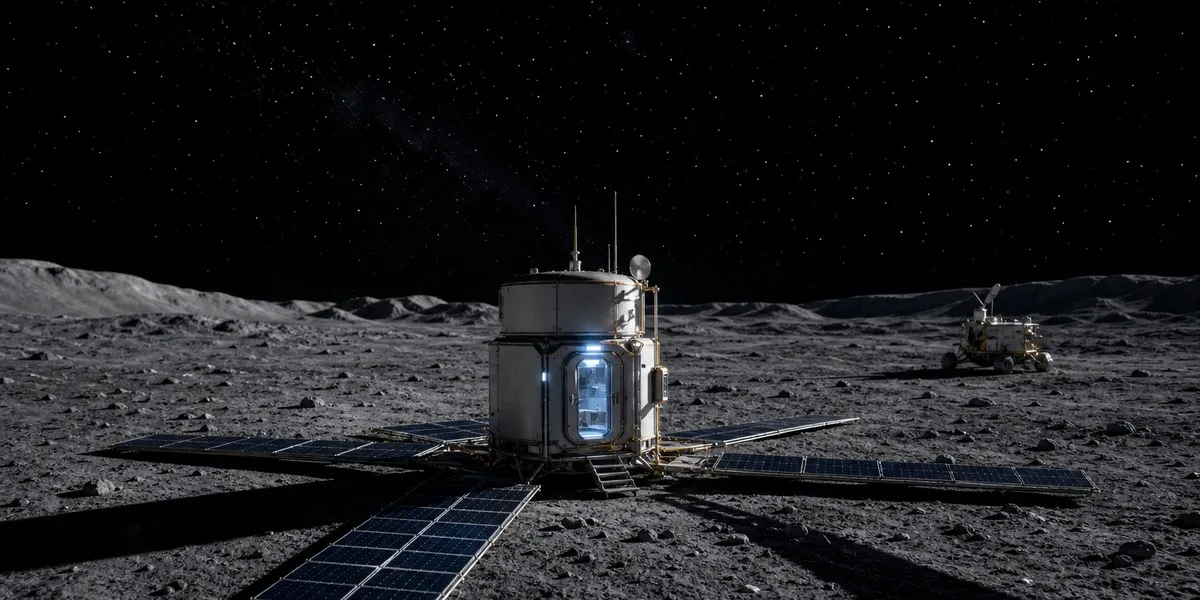
In the United States, NASA aims to prepare by December 2030 a nuclear reactor for launch that can survive space travel and operate without maintenance near the Moon’s south pole. In August, the agency asked contractors to develop such a facility, NDTV World reports.
Energy for lunar bases
The United States, China, and Russia, the aggressor state, view nuclear energy as one way to support future permanent bases on the Moon, resource exploration, and deeper space missions. Russia and China are working on the joint Selena reactor project, which they plan to develop by 2036 to power Chinese-led lunar stations.
Solar panels can generate electricity only during the lunar day, while the lunar night lasts more than two weeks according to the Earth calendar. At the initial stages, the United States and China intend to use solar power and radioisotope systems to heat equipment and charge lunar vehicles. However, a larger base requires more substantial amounts of electricity.
More current news is available on the UA.News Telegram channel Telegram.
According to the publication, NASA’s proposed Lunar Reactor 1 is to produce 20 kilowatts of electricity and operate for five years without intervention. Selena is designed for a capacity of up to 10 kilowatts and autonomous operation for ten years.
Risks and access to the surface
Scientists warn that the accelerated development of lunar reactors involves risks: a rocket accident during launch could potentially result in the spread of radioactive materials. Installing and servicing a reactor on the Moon will also be difficult, and restricted zones around the facility may be needed to protect astronauts and equipment from radiation.
The United States and Russia plan to transport the reactors in an inactive state, which reduces risks during flight. At the same time, experts note that accidents cannot be completely ruled out even after safety checks. The 1967 Outer Space Treaty prohibits states from claiming sovereignty over the Moon, but questions of access to areas around bases and rights to extracted resources remain open.




