
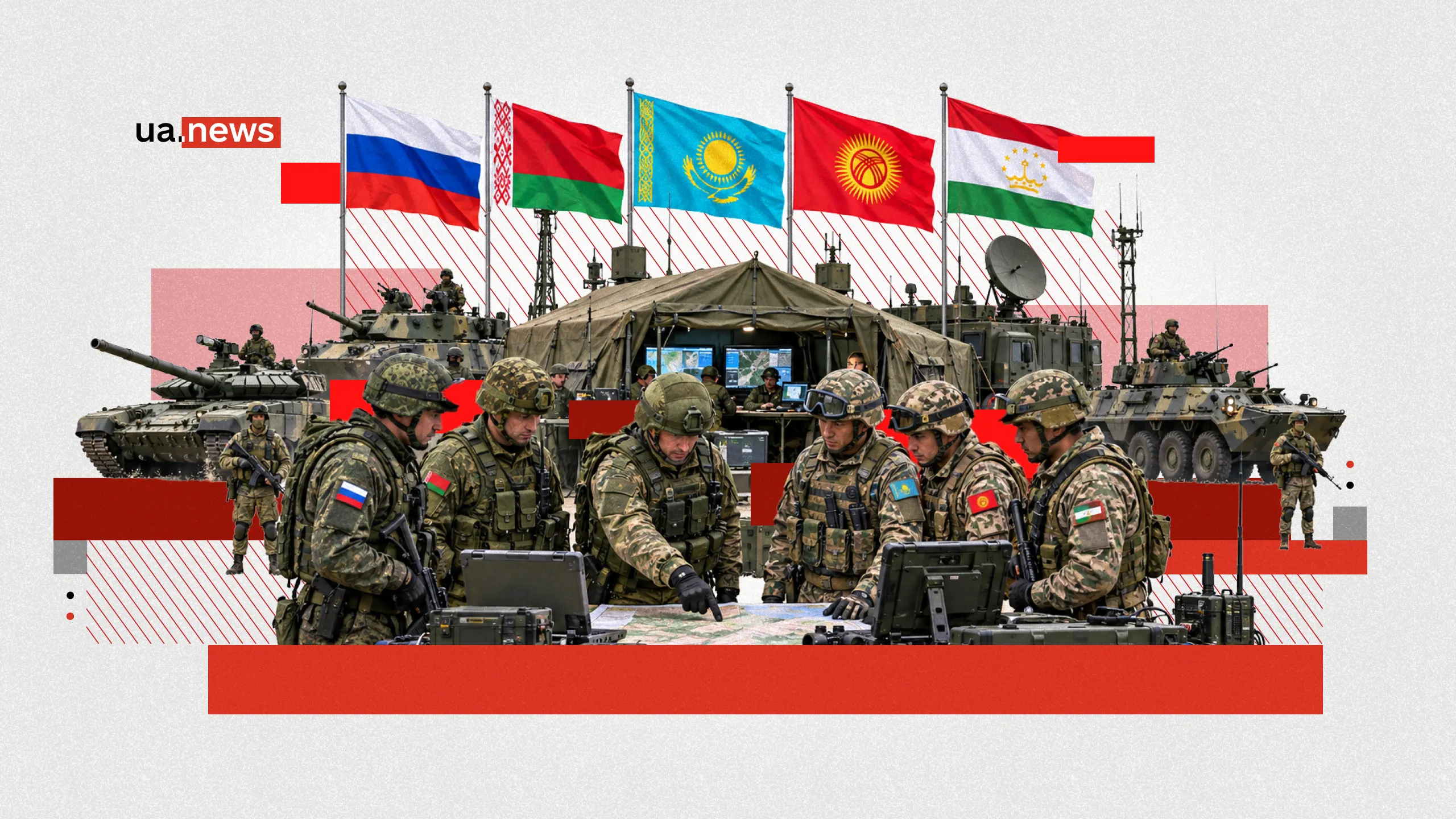
The next active phase of joint military exercises by the Collective Security Treaty Organization (CSTO) member states, titled “Unbreakable Brotherhood-2026” and “Barrier-2026,” has begun at Belarusian military training grounds. The exercises are taking place from October 12 to 16, bringing together units from several post-Soviet states amid Moscow’s ongoing confrontation with the West and full-scale aggression against Ukraine.
Officially, the bloc’s secretariat and the Belarusian Defense Ministry claim that the planned activities are exclusively peacekeeping in nature and involve training in joint defense against biological threats. However, the geographical location of the maneuvers at training facilities near the borders of NATO countries and the northern regions of Ukraine indicates that Belarus continues to serve its customary role as an instrument of military and political pressure.
A notable feature of the current exercises was the conspicuous absence of representatives from Armenia, which has effectively suspended its participation in the bloc due to the systematic disregard of its security interests, as well as the very limited Russian contingent, which once again illustrates the depletion of the Russian Federation’s regular army reserves.
UA.News explains what specific tactical tasks the contingents are practicing, exactly who arrived at the Belarusian training grounds, what real risks these maneuvers pose to Ukraine and neighboring NATO countries, and why the CSTO is increasingly becoming a purely declarative tool of the Kremlin.
The “Losvid” and “Starodorozhsky” Training Grounds: An Analysis of the Scenarios Practiced
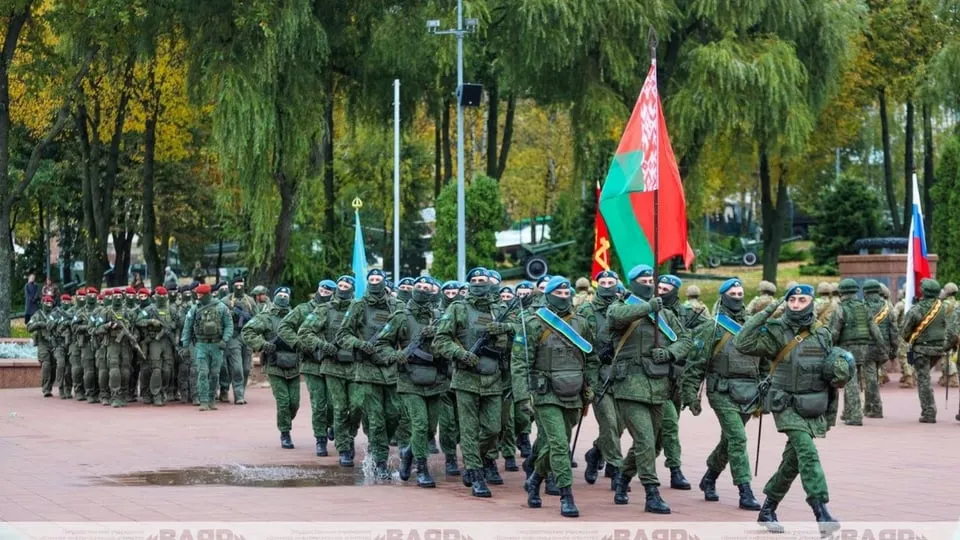
Two Belarusian military facilities were selected as the main locations for the deployment of allied units: the “Losvido” training ground of the 103rd Separate Airborne Brigade, located in the Vitebsk region, and the 288th “Starodorozhsky” training ground in the Minsk region.
The exercise program is functionally divided into two related parts. The first component consists of command-and-staff exercises with the CSTO peacekeeping forces, “Unbreakable Brotherhood-2026.” As part of this phase, the multinational headquarters simulates a scenario involving a local armed conflict on the territory of a hypothetical member state of the bloc. The military is practicing the deployment of observation posts, manning checkpoints, escorting humanitarian convoys, and completely blocking so-called illegal armed groups in forested and marshy terrain.
The second component is the “Barrier-2026” special exercise, in which specialists from the radiological, chemical, and biological defense (RCBD) forces take the lead. According to the official scenario, the combined RCBZ unit is tasked with identifying the epicenter of a pathogenic biological agent attack, rapidly deploying mobile diagnostic systems, and conducting decontamination of personnel along with full decontamination of armored vehicles.
This emphasis on biological themes is not a random choice by the military command. Moscow regularly exploits military propaganda about the alleged dangers of Western laboratories, and the rehearsal of scenarios for containing infectious disease outbreaks at the “Barrier-2026” training ground serves as a practical illustration of this Kremlin rhetoric for the domestic audience of CSTO member states.
A major technical innovation in the exercises was the large-scale integration of unmanned systems. The organizers deployed approximately 80 unmanned systems of various types—ranging from tactical quadcopters and FPV drones to reconnaissance aircraft.
Joint teams are training to adjust mortar fire in real time, provide cover for convoy movements using electronic jammers, and deploy anti-drone guns against aerial attacks.
Participant Breakdown: Yerevan’s Boycott, a Cautious Asia, and Moscow’s Manpower Shortage
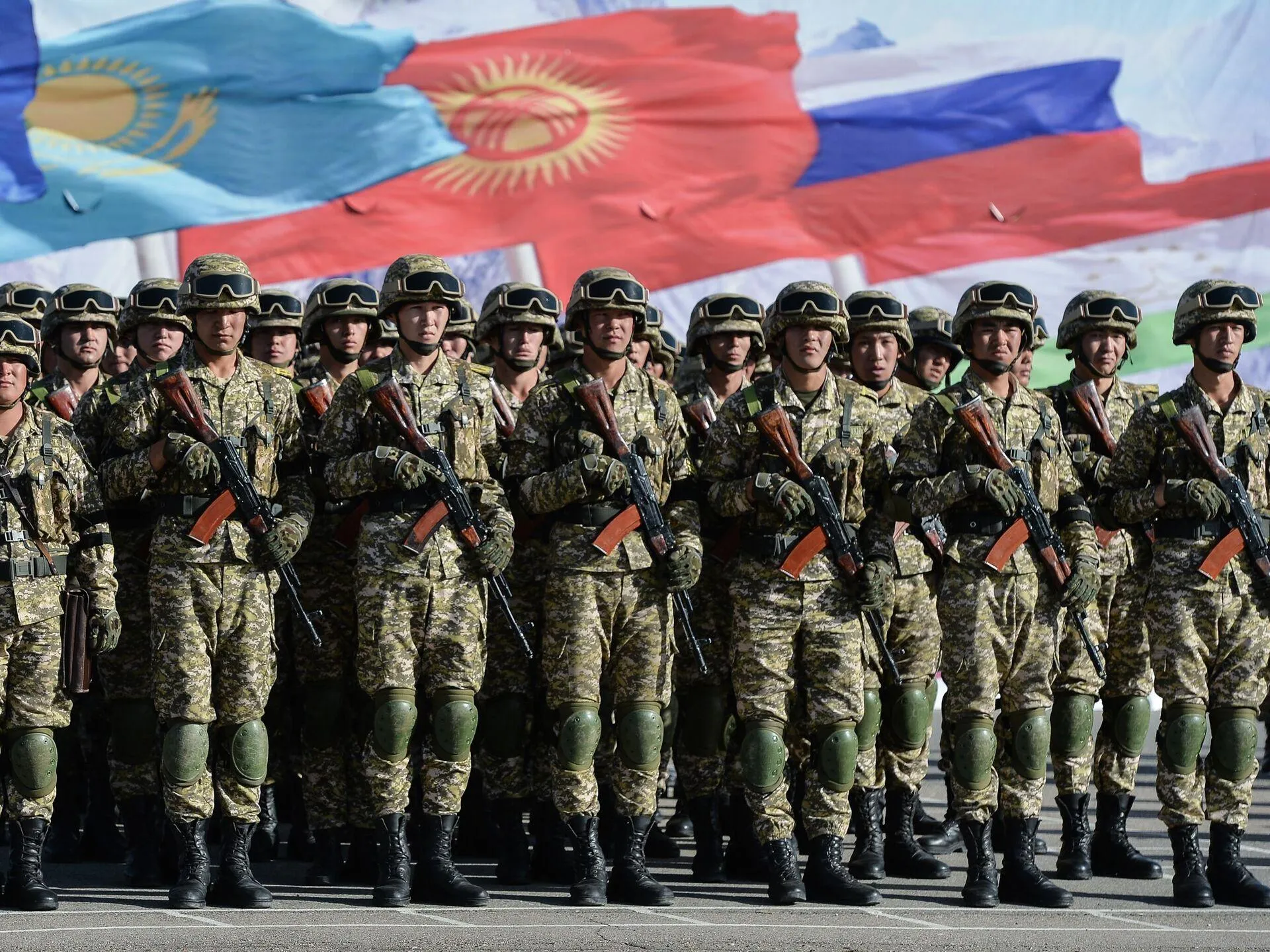
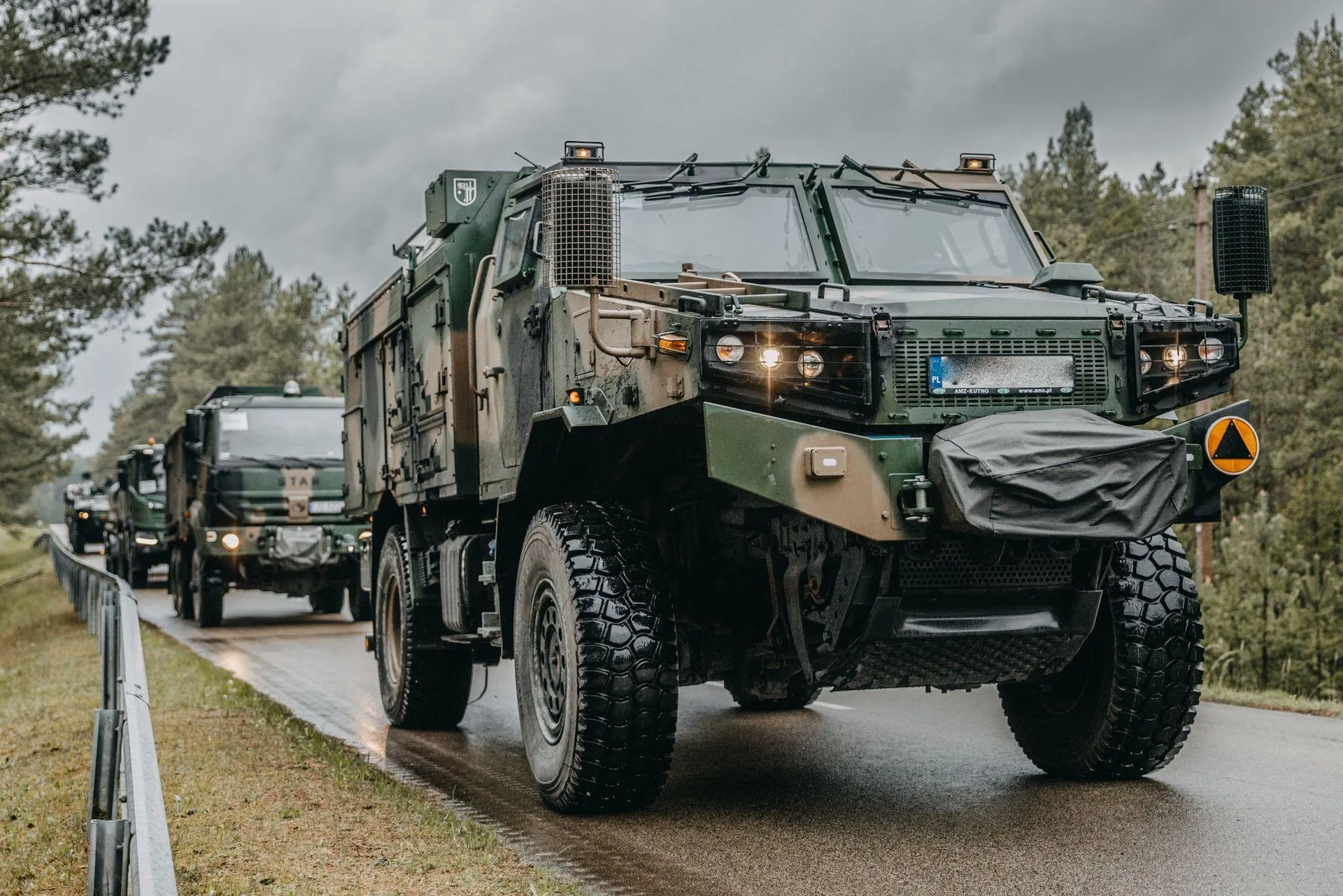
The total number of forces involved at the Belarusian training grounds exceeds 1,500 military personnel and includes approximately 300 units of wheeled, tracked, and specialized equipment. In addition to the hosts of the maneuvers—the Armed Forces of the Republic of Belarus—representatives from Russia, Kazakhstan, Kyrgyzstan, and Tajikistan arrived at the site.
Armenia’s definitive and telling snub became the key geopolitical indicator of the exercises. Yerevan completely ignored the Belarusian side’s invitation, failing to send a single soldier or even a liaison officer to Minsk.
Prime Minister Nikol Pashinyan had previously announced publicly that the country was suspending its participation in CSTO activities, stating that the organization had failed to fulfill its direct obligations during the escalations surrounding Nagorno-Karabakh. The absence of the Armenian flag in the formation served as clear evidence of the security alliance’s internal collapse.
The Central Asian countries—Kazakhstan, Kyrgyzstan, and Tajikistan—have traditionally opted for a strategy of minimal necessary presence. Their delegations consist of limited platoon- or company-sized groups of paratroopers, special forces units, and military medics.
For the leadership in Astana and Bishkek, participation in such events is more of a protocol requirement to maintain dialogue with Moscow without assuming any real obligations.
Central Asian governments are carefully maintaining a balance in their relations with the West, China, and the countries of the Middle East. They openly avoid the risk of falling under secondary sanctions and show no willingness to become the Kremlin’s military satellites in a confrontation with European countries.
Russia’s presence at the exercises is also highly telling. Due to massive losses and the daily need to replenish units on the front lines in Ukraine, Moscow is no longer able to send full-fledged battalion tactical groups to Belarus to demonstrate its might.
The Russian contingent at the “Unbreakable Brotherhood-2026” exercises consists primarily of command officers, instructors with combat experience, signalers, and specialists from chemical, biological, radiological, and nuclear (CBRN) units.
The exercises in Belarus are part of a broader CSTO program
The “Unbreakable Brotherhood-2026” and “Barrier-2026” maneuvers in Belarus are part of a broader military training program of the Collective Security Treaty Organization. Throughout 2026, the alliance’s member states have planned dozens of joint and operational training exercises, including eight command-staff and special exercises.
These exercises are being conducted on the territory of several member states, and each event has a specific purpose—ranging from training rapid-response forces to practicing reconnaissance, logistics, and peacekeeping operations. This plan makes it possible to assess Belarusian maneuvers not in isolation, but in the context of the CSTO’s efforts to maintain cooperation among national military contingents.
In early fall, Russia hosted the “Vzayemodeyствие-2026,” “Poisk-2026,” and “Echelon-2026” exercises. They covered various aspects of joint military operations: the preparation and conduct of an operation to contain a simulated armed conflict, the organization of reconnaissance, and the logistical support of troops.
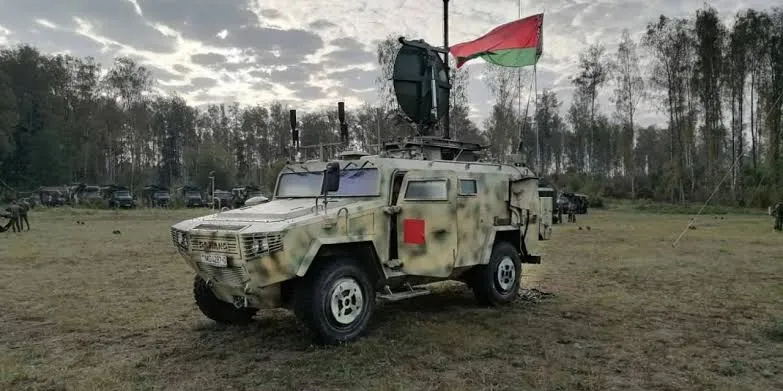
According to the CSTO, contingents from Belarus, Kazakhstan, Kyrgyzstan, and Tajikistan arrived in the areas where the maneuvers were held in Russia. This indicates that the exercises involved not only the participation of individual units but also the testing of coordination between the armed forces of different countries.
The next phase is scheduled to take place in Tajikistan: from October 18 to 23, the special exercises “Cobalt-2026” and “Rock-2026” are set to take place there. Thus, the October maneuvers in Belarus are just one component of the CSTO’s schedule.
At the same time, the mere existence of a joint plan does not prove that member states assess threats in the same way or are prepared for the same level of military cooperation in a real crisis. To assess the alliance’s practical capabilities, it is important to consider not only the number of exercises and stated objectives, but also how effectively the contingents can operate together and what tasks they are actually assigned.
Risks for Ukraine: Is There a Threat of a Ground Breakthrough from the North?
The Ukrainian military command, intelligence agencies, and border services maintain constant monitoring of all combat training activities taking place on the territory of allied Russia.
Particular emphasis is placed on the fact that the training sites—the “Losvido” and “Starodorozhsky” training grounds—are located in the northern and central parts of Belarus, at a considerable distance from the immediate Ukrainian-Belarusian state border.
The numerical strength of the contingents involved clearly indicates a lack of capacity for offensive operations. A force of 1,500 troops, a significant portion of whom are logistics personnel, medics, and special protection specialists, is incapable of forming even a localized strike force.
Military experts emphasize that to form a minimal strike force capable of breaking through the well-fortified defensive line in the Ukrainian Polissya region, the enemy would need to assemble at least 40,000–50,000 motivated and heavily armed fighters.
Meanwhile, the real danger of these exercises lies in the strategy of diverting the resources of the Ukrainian Defense Forces. The very presence of foreign military contingents, the constant movement of rail convoys, combat aviation flights, and the activity of reconnaissance systems force the General Staff of the Armed Forces of Ukraine to maintain significant infantry, artillery, and air defense reserves in full combat readiness along the northern borders.
Ukrainian units in the Zhytomyr, Rivne, Volyn, Kyiv, and Chernihiv regions are forced to maintain round-the-clock duty and uphold fortifications instead of reinforcing the hottest sections of the front in the east and south of our country.
Furthermore, Belarusian territory remains open to other hybrid operations by the aggressor. The Russian command regularly tests the airspace of the neighboring republic to transit Shahed-type kamikaze drones, conduct radio-technical monitoring, and assess the density of Ukraine’s air defense system.
NATO’s Western Flank: Tensions Around the Suwałki Corridor
The Alliance’s neighboring countries—Poland, Lithuania, and Latvia—traditionally view any Russian-Belarusian military movements near their borders through the lens of potential hybrid threats. Although the training grounds do not directly border the so-called Suwalki Corridor, joint command exercises involving ground forces are always viewed by Vilnius and Warsaw as potential rehearsals for blocking strategic transport routes.
Military analysts at the Institute for the Study of War (ISW) have repeatedly pointed out that the Kremlin has consistently sought to institutionalize its influence over the CSTO army commands, seeking to integrate their command structures into the Russian General Staff’s system and creating the facade of a legitimate regional coalition.
For Poland and the Baltic states, these maneuvers serve as an additional trigger against the backdrop of the ongoing, artificially created migration crisis. Alexander Lukashenko’s regime continues to attempt to direct groups of illegal migrants across border fences, and the conduct of large-scale military exercises in parallel with migration pressure is viewed as an element of psychological destabilization of European societies.
Despite these challenges, NATO representatives express confidence in the readiness of their forces to counter any provocations. The Alliance’s eastern flank is currently protected by multinational forward-deployed combat battalion groups, reinforced by Patriot air defense units and regular aerial patrols.
While CSTO allies are conducting peacekeeping clearance operations involving several hundred troops, NATO forces are conducting significantly larger-scale exercises to repel a full-scale invasion, involving tens of thousands of military personnel and modern Western armored vehicles.
Why the CSTO Is Unable to Become a “NATO of the East”
The “Unbreakable Brotherhood-2026” and “Barrier-2026” exercises serve as a vivid demonstration of the deep institutional crisis that has engulfed the entire military bloc under Moscow’s auspices. The Kremlin’s attempts to position the CSTO as a powerful counterweight to the North Atlantic Alliance are shattered by the harsh reality of internal contradictions and the unwillingness of its partners to share in Russia’s isolation.
The lack of a unified set of interests makes the organization fragile. Armenia is openly seeking security guarantees from the West and purchasing French weapons. Kazakhstan is reforming its armed forces according to mixed standards, actively cooperating with Turkey and China.
Kyrgyzstan and Tajikistan were until recently engaged in bloody border clashes against each other, which once again demonstrated the CSTO’s complete inability to resolve conflicts even among its own members.
The bottom line is that the CSTO remains a platform through which Moscow attempts to maintain the appearance of its geopolitical influence in the post-Soviet space, while Belarus acts as the sole unconditional partner, providing training grounds and resources in exchange for economic preferences and the political survival of the current regime.
For Ukraine and its international partners, the current maneuvers in Belarus do not pose a threat of an imminent military strike, but they serve as a reminder: the northern direction remains a potentially dangerous enemy stronghold that requires constant monitoring and uncompromising defensive readiness.




